







A new wave of female-led Indian films is shaking up Bollywood’s conventional portrayals of women. Movies like Sister Midnight, Santosh, All We Imagine as Light, Girls Will Be Girls, and Shadowbox present heroines who are unpredictable, bold, humorous, and sexually autonomous — far from the demure, subservient characters dominating traditional Hindi cinema.
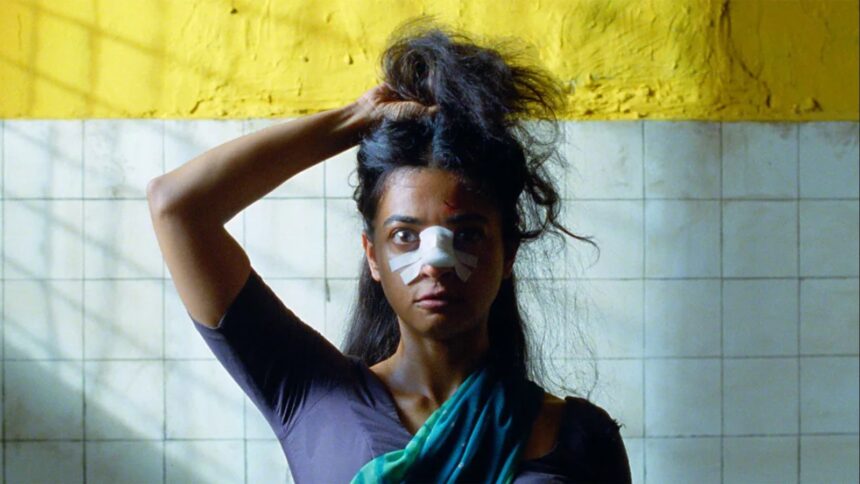
In Sister Midnight, Radhika Apte plays Uma, a bride in a chaotic arranged marriage. The film, a spiky comedy with punkish energy and offbeat dialogue, premiered at the 2024 Cannes Film Festival and received a BAFTA nomination. Apte describes Uma as “unapologetic,” a character whose self-acceptance fuels her freedom and strength, a stark contrast to typical Bollywood heroines.

Bollywood has long been criticized for sexist formulas. Studies reveal that female leads are expected to be thin, beautiful, demure, and sexually appealing, yet rarely assertive. Meanwhile, male protagonists dominate with alpha-male bravado, action, and power, as seen in blockbusters like Pathaan, Jawan, and Animal.
Films such as Santosh, by Sandhya Suri, offer radical departures. Shahana Goswami portrays a Dalit woman who becomes a police officer and investigates crimes within her force. Suri emphasizes that Santosh explores ways for women to exist beyond oppression or being defined by men, a narrative rarely seen in mainstream Indian cinema.
See more of our coverage in your search results.
Add Hunterfly on GoogleSimilarly, Payal Kapadia’s All We Imagine as Light delves into female sexual autonomy. Its protagonists navigate personal and religious taboos, highlighting how Indian women, even when financially independent, face limited control over their relationships.

While these films gain international recognition at festivals like Cannes and Sundance, they struggle for Indian theatrical releases due to censorship and societal expectations. Historical controversies, such as the temporary ban of Lipstick Under My Burkha, underscore the challenges of presenting women’s stories that deviate from traditional norms.
Streaming platforms have opened new avenues for female-led cinema. Films like The Great Indian Kitchen and Laapataa Ladies found audiences on OTT services, bypassing traditional box office constraints and challenging patriarchal narratives from a female perspective.

Film critics argue that for genuine change, both female and male characters must be written differently. Shubhra Gupta notes that audiences are eager for new stories, but mainstream cinema remains cautious, often avoiding feminist or unconventional female characters to maintain box office stability.
Despite these challenges, movies like Sister Midnight and Santosh prove there is appetite for stories where women lead narratives, exercise agency, and confront social norms. Their international acclaim demonstrates that independent, female-focused cinema is redefining what Indian films can be, paving the way for a more inclusive and audacious Bollywood.
See more of our coverage in your search results.
Add Hunterfly on Google