




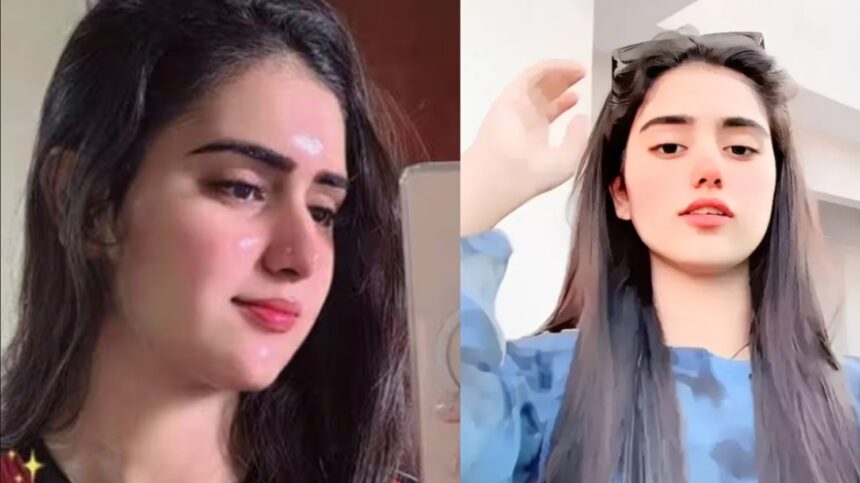
Pakistani TikTok influencer Fatima Jatoi has recently found herself at the centre of a major digital controversy, as keywords such as “Fatima Jatoi Viral Video” and “Fatima Jatoi Leak” continue to trend across TikTok and X (formerly Twitter). The situation has triggered widespread discussion online, raising serious concerns around digital privacy, misinformation, and online safety.
What Is the Viral Video Controversy About?
Fatima Jatoi, known for her Sindhi cultural content and posts showcasing a luxury lifestyle in Dubai, has been linked—through unverified claims—to an alleged inappropriate video circulating online.
Key claims circulating on social media include:
- Anonymous TikTok accounts promoting so-called “Full Video” or “7.11 Link”
- Sensational captions designed to provoke curiosity and clicks
However, no credible media outlet or verified source has confirmed the existence of any original or leaked video connected to Fatima Jatoi.
Fake Links, Clickbait, and the Risk of Scams
Independent reviews of the circulating posts suggest that:
See more of our coverage in your search results.
Add Hunterfly on Google- Most claims are clickbait, aimed at increasing views and followers
- Shared links often redirect users to suspicious or unrelated pages
- There is no verified footage supporting the allegations
Cyber experts caution that such trends are frequently engineered to exploit viral curiosity.
Possibility of AI Deepfake Misuse
Digital analysts have also raised concerns that the controversy may involve AI-generated deepfake content, a growing problem worldwide. Deepfakes are increasingly used to:
- Damage reputations
- Spread misinformation
- Target women and public figures disproportionately
At present, there is no evidence proving the authenticity of any video linked to Fatima Jatoi.
Cybersecurity Warning: Beware of ‘Original Link’ Traps
Pakistan’s cybersecurity community has warned users searching for “Fatima Jatoi Original Link” to exercise extreme caution:
- Phishing scams: Links in comments may steal TikTok, WhatsApp, or banking credentials
- Malware threats: Fake “video downloads” can install spyware on devices
- Legal consequences: Under Pakistan’s PECA (Prevention of Electronic Crimes Act), sharing private or edited content can result in imprisonment and heavy fines
Public Image, Fame, and Targeted Backlash
Fatima Jatoi’s rise—from a modest background to a high-profile social media presence—has previously attracted both admiration and criticism. Some commentators suggest that the current controversy may be an attempt to:
See more of our coverage in your search results.
Add Hunterfly on Google- Undermine her public image
- Capitalise on her popularity
- Generate engagement through scandal-driven narratives
No official statement or legal confirmation has emerged linking her to any wrongdoing.
Editorial Advisory
Readers are strongly advised to:
- Avoid clicking on unverified links
- Rely only on trusted news sources
- Respect personal dignity and digital privacy
Conclusion
As of now, the Fatima Jatoi TikTok viral video claims remain unverified and largely driven by online speculation. Similar trends in the past have often collapsed once misinformation was exposed. Responsible digital behaviour remains essential in an era of viral content and AI misuse.
See more of our coverage in your search results.
Add Hunterfly on GoogleDisclaimer
This article is intended to explain ongoing social media trends. It does not confirm, promote, or validate any explicit or unverified content.