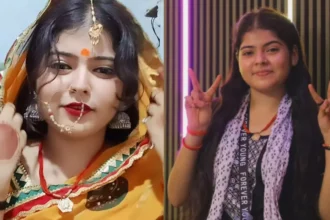









Search trends across India and Pakistan have surged around the phrase “Fatima Jatoi 6 Minutes 39 Seconds”, following a recent wave of similar timestamp-based viral claims such as the widely discussed “7 Minute 11 Second Viral MMS.” Despite the growing curiosity, cybersecurity experts and fact-checkers confirm that no verified or authentic video involving TikTok creator Fatima Jatoi exists.
The trend appears to be driven not by real footage, but by clickbait tactics and online misinformation campaigns.
What Is the ‘6 Minutes 39 Seconds’ Trend?
The phrase began circulating on platforms such as TikTok, Instagram, X (formerly Twitter), and Google Search, with anonymous accounts claiming access to a so-called “private” or “leaked” video of Fatima Jatoi. These posts typically:
- Use precise timestamps to suggest authenticity
- Redirect users to external links, Telegram channels, or fake websites
- Fail to provide any verifiable source or credible evidence
Cyber analysts note that specific time durations like “6:39” or “7:11” are frequently used in misinformation because they psychologically make false claims appear more believable.
See more of our coverage in your search results.
Add Hunterfly on GoogleNo Evidence of an Original or Real Video
Independent reviews by cybersecurity professionals and digital fact-checking platforms have found:
- No original or authenticated video matching the claimed length
- No confirmation from credible media outlets or authorities
- Recycled visuals, AI-generated clips, or unrelated footage used as bait
Experts suggest the material circulating online is likely deepfake or AI-manipulated content, or in many cases, entirely fabricated.
Cybersecurity Risks Behind Viral ‘Leaked Video’ Searches
Authorities warn that many links connected to the “6 Minutes 39 Seconds” searches lead to malicious destinations, including:
- Fake video player pages
- Phishing websites requesting personal information
- Pages prompting app downloads or suspicious permissions
- Malware and data-harvesting traps
Cybersecurity experts caution that interacting with such links can result in device compromise, financial fraud, or identity theft.
Fatima Jatoi Responds to the Rumours
Amid the online speculation, Fatima Jatoi has categorically denied any association with the alleged video. She has stated that the content being circulated is fake, misleading, and wrongly represented, echoing expert conclusions that no genuine clip exists.
See more of our coverage in your search results.
Add Hunterfly on GoogleHer response aligns with a growing pattern where influencers are increasingly targeted through AI-generated misinformation and deepfake abuse.
A Familiar Pattern: From 7:11 to 6:39
Digital media analysts observe that the Fatima Jatoi search trend mirrors earlier viral hoaxes, including the “7 Minute 11 Second” and “19-Minute Viral Video” claims. In most such cases:
- No real video is ever verified
- The trend is sustained purely by curiosity and algorithmic amplification
- Users searching for “original clips” are exposed to cyber risks
What Users Should Do
Experts strongly advise users to:
See more of our coverage in your search results.
Add Hunterfly on Google- Avoid clicking on unverified or anonymous links
- Not share or amplify unconfirmed claims
- Rely only on trusted news sources
- Report suspicious content on social media platforms
As deepfake technology becomes more accessible, digital literacy and caution are essential to prevent harm.
The Bottom Line
There is no evidence that a real “6 Minutes 39 Seconds” video involving Fatima Jatoi exists. The trend appears to be another example of timestamp-driven clickbait, misinformation, and potential cyber scams.
Authorities and experts reiterate that online safety begins with skepticism—especially when viral claims promise “leaked” or “exclusive” content without proof.