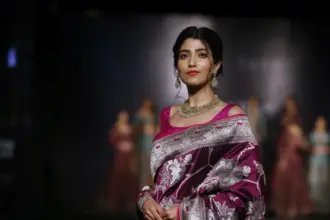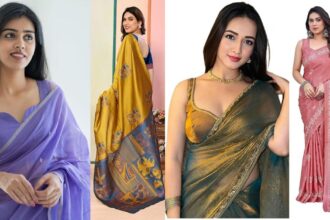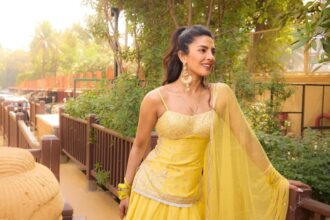






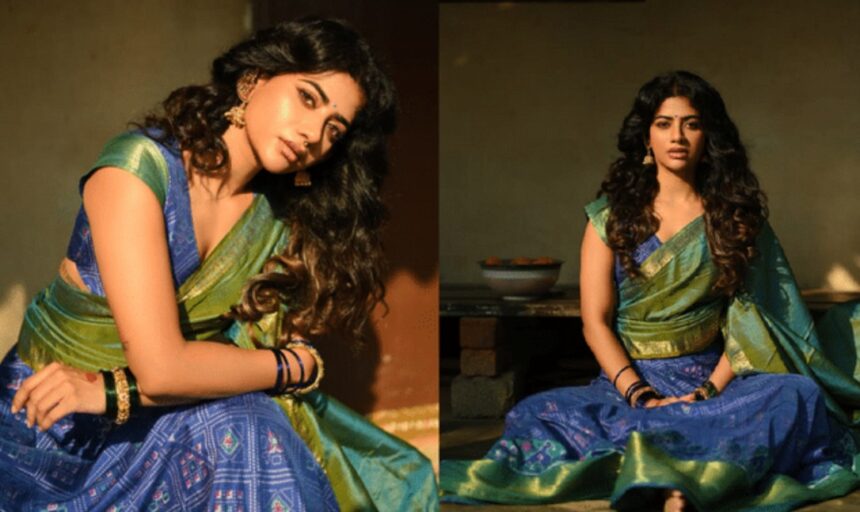
Rich jewel tones, intricate woven borders and thoughtfully selected accessories make blue and green silk sarees a versatile choice for weddings, festive celebrations and contemporary ethnic fashion.
Indian ethnic fashion offers countless opportunities to experiment with colours, fabrics and traditional craftsmanship. Among the combinations that create a particularly striking visual impression, blue and green stand out for their richness and versatility.
When brought together in a silk saree, these colours create a sophisticated ensemble that can feel equally traditional and contemporary. Deep sapphire blue, emerald green, peacock blue and turquoise offer different interpretations of this timeless pairing.
Whether styled for a wedding reception, a religious celebration or a sophisticated evening gathering, a blue and green silk saree can create an elegant appearance without requiring excessive embellishment.
Why Blue and Green Work Beautifully Together
Blue and green sit close to each other on the colour wheel, creating a naturally harmonious combination. Their darker jewel-toned variations complement the lustrous appearance of silk, while lighter shades offer a softer aesthetic.
Royal blue paired with emerald green creates a rich, festive appearance. Peacock blue combined with a leafy green border introduces a more traditional character, while turquoise and sea green offer a refreshing alternative for daytime celebrations.
The natural sheen of silk adds depth to these colours, allowing the appearance of the saree to change subtly under different lighting conditions.
A carefully chosen golden or copper-toned zari border can further enhance the combination, introducing warmth and contrast to the cooler shades.
Traditional Silk Sarees With Cultural Character
India’s textile heritage offers several distinctive silk saree traditions, each associated with particular weaving techniques, patterns and regional identities.
Kanjivaram silk sarees from Tamil Nadu are recognised for their rich appearance, contrasting borders and intricate woven designs. Blue and green combinations work particularly well with traditional temple-inspired motifs and zari detailing.
Banarasi silk sarees from Varanasi offer another interpretation through elaborate floral patterns, brocade designs and decorative borders.
Mysore silk sarees are often appreciated for their smooth texture, lustrous finish and relatively understated elegance. Their simpler designs can appeal to individuals who prefer traditional clothing with minimalist styling.
When shopping for silk sarees, consider the weaving technique, fibre composition and authenticity rather than relying solely on the product’s appearance or marketing description.
Choosing the Perfect Blouse for a Blue and Green Silk Saree
A thoughtfully selected blouse can dramatically influence the overall appearance of a silk saree.
For a traditional ensemble, choosing a blouse that matches the saree’s contrasting border creates a coordinated appearance. An emerald-green blouse, for example, pairs beautifully with a predominantly royal-blue saree.
Golden blouses introduce a festive touch, particularly when the saree features metallic zari detailing. Deep navy, teal and muted bronze are suitable alternatives for those seeking a sophisticated contemporary look.
Blouse designs can also introduce an individual style statement. Elbow-length sleeves offer traditional elegance, while square necklines, sleeveless designs and structured collars create a more contemporary silhouette.
If the saree features intricate woven patterns, a relatively simple blouse can help maintain visual balance.
Jewellery That Complements Blue and Green Silk
The richness of silk provides an excellent background for traditional Indian jewellery.
Antique-finish gold jewellery complements deep blue and emerald-green sarees, especially those featuring traditional zari borders. Temple-inspired necklaces, bangles and jhumkas can enhance the cultural character of the outfit.
Pearls offer a softer alternative for minimalist styling. They work particularly well with turquoise, lighter green and understated silk sarees.
Silver jewellery can create an interesting contemporary contrast, especially when the saree has minimal metallic detailing.
For an elegant evening appearance, consider emerald-coloured earrings or a single statement necklace rather than combining several heavily embellished accessories.
The objective is to highlight the saree’s colours and craftsmanship without allowing accessories to dominate the ensemble.
Blue and Green Saree Colour Combinations for Different Occasions
Not every shade of blue and green creates the same impression. Choosing the appropriate combination can help match the outfit to the occasion.
| Colour combination | Visual character | Suitable occasions |
|---|---|---|
| Royal blue and emerald green | Rich and traditional | Weddings and receptions |
| Peacock blue and leaf green | Vibrant and festive | Cultural celebrations |
| Navy blue and forest green | Refined and sophisticated | Evening gatherings |
| Turquoise and sea green | Light and refreshing | Daytime celebrations |
| Sapphire blue and olive green | Distinctive and contemporary | Formal ethnic events |
| Teal blue and jade green | Balanced and elegant | Family functions |
The colour of the zari, blouse and accessories should also be considered when creating the final ensemble.
Modern Draping Ideas for Traditional Silk Sarees
Traditional silk sarees do not have to be styled exclusively with conventional accessories or silhouettes.
A neatly pleated Nivi drape offers a timeless appearance and works particularly well for formal events. An open pallu allows intricate woven patterns and contrasting borders to remain visible.
For contemporary styling, a slim metallic or fabric belt can introduce definition around the waist. However, heavy or rigid belts should be used carefully to avoid damaging delicate silk or zari threads.
A tailored blouse with a minimalist handbag can also create a modern ethnic appearance without altering the traditional drape.
Individuals who prefer convenience may consider pre-stitched silk saree designs, provided the construction allows comfortable movement and preserves the fabric’s natural appearance.
Makeup and Hairstyles for an Elegant Finish
Makeup can complement the jewel tones of a blue and green saree without competing with them.
Neutral bronze eyeshadow, softly defined eyeliner and muted rose lip colours create a balanced appearance. For evening occasions, deeper berry or classic red lip shades can introduce a more dramatic finish.
A traditional low bun decorated with jasmine flowers works beautifully with gold jewellery and intricately woven silk sarees.
Loose waves, sleek ponytails and softly styled buns offer contemporary alternatives, particularly for reception parties and formal gatherings.
The overall styling should reflect the occasion, personal preference and comfort rather than following a rigid fashion formula.
Footwear and Accessories for Silk Sarees
Footwear plays both a practical and aesthetic role in saree styling.
Traditional juttis, embellished sandals and comfortable block heels complement silk sarees without distracting from their intricate details.
For celebrations involving long periods of standing or walking, supportive footwear is often more practical than high heels.
A compact potli bag, metallic clutch or embroidered handbag can complete the outfit. Selecting a bag that matches the zari or blouse is a straightforward way to create a cohesive appearance.
It is advisable to wear the intended footwear while arranging saree pleats to ensure the hem sits at a comfortable height.
How to Identify Genuine Silk When Shopping
The appearance of a saree alone does not establish whether it is made from pure silk. Synthetic fabrics and blended materials can closely resemble natural silk.
Before purchasing a saree, check the product label, fibre composition, seller credentials and available authenticity documentation.
Buyers looking for genuine natural silk can also consider products carrying the Silk Mark, an authenticity label associated with the Silk Mark Organisation of India.
However, silk authenticity does not automatically establish the regional origin of a saree or whether it was handwoven. Buyers interested in specific regional weaving traditions should verify those details separately.
This distinction is especially important when purchasing premium silk sarees online.
Caring for Blue and Green Silk Sarees
Silk requires careful handling to preserve its texture, colour and decorative elements.
Always follow the garment’s care instructions. Sarees with delicate zari, elaborate embroidery or intricate woven patterns may benefit from specialist professional cleaning.
Avoid spraying perfume directly onto silk and protect the fabric from prolonged exposure to direct sunlight.
Store silk sarees in a clean, dry environment using breathable cotton or muslin covers where appropriate. Periodically changing the folds during long-term storage may help reduce persistent creases.
Thoughtful maintenance can help preserve the beauty of a silk saree for repeated wear and future occasions.
A Timeless Combination With Contemporary Possibilities
The appeal of blue and green silk sarees lies in their ability to accommodate different fashion preferences while maintaining a strong connection to traditional Indian textiles.
A single saree can create several distinctive looks through changes in blouse designs, jewellery, draping techniques and accessories. This versatility makes it a meaningful addition to a wardrobe built around reusable, thoughtfully selected ethnic clothing.
From the grandeur of royal blue and emerald green to the understated sophistication of navy and forest green, this colour pairing offers possibilities beyond a single occasion or fashion trend.
Ultimately, the most memorable silk saree ensemble is one that celebrates craftsmanship, reflects individual personality and feels comfortable to wear.
Have a story tip or feedback? Write to [email protected].