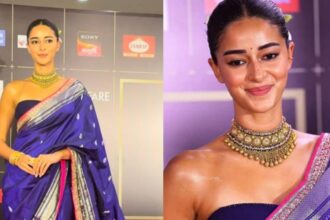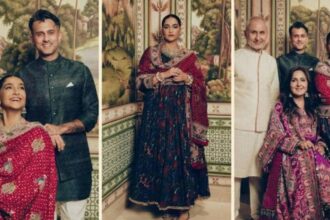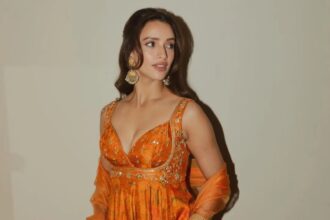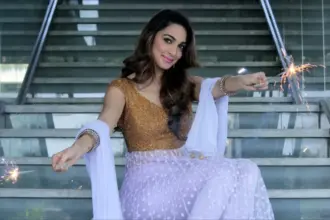



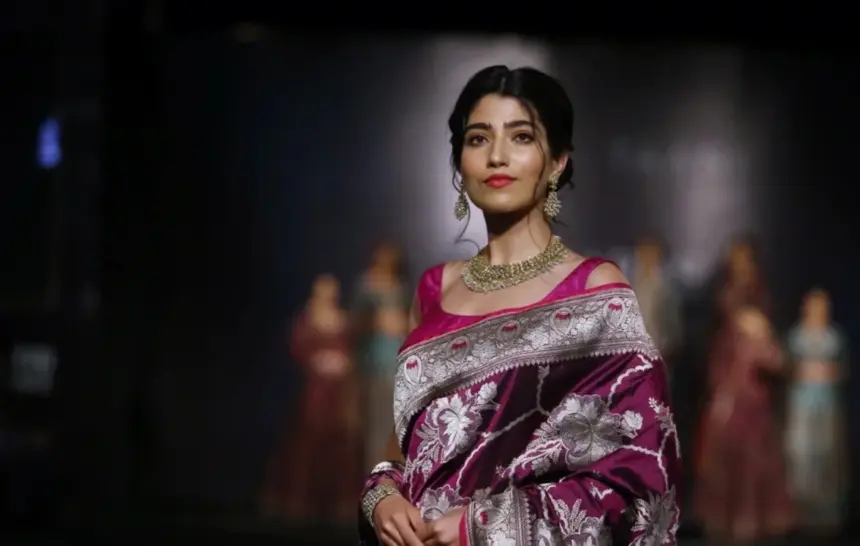
From contemporary co-ord sets and tailored jackets to corsets and experimental drapes, Banarasi silk is finding a place in wardrobes that extend far beyond traditional bridal celebrations.
Banarasi silk has long been associated with grand Indian weddings, elaborate sarees and heirloom clothing passed down through generations. Its intricate patterns, rich textures and distinctive zari work have made it one of the country’s most recognisable textile traditions.
But the way this heritage fabric is worn is changing.
A growing interest in contemporary Indian occasionwear is encouraging designers and fashion enthusiasts to look beyond the conventional Banarasi saree. Structured jackets, modern skirts, corset-inspired blouses and relaxed separates are bringing the traditional weave into a more versatile fashion conversation.
Celebrity styling offers a particularly visible example of this transition. Instead of treating Banarasi as a fabric reserved exclusively for wedding ceremonies, contemporary looks demonstrate how it can work with silhouettes associated with eveningwear, festive gatherings and statement dressing.
The result is not necessarily a rejection of tradition. Rather, it is a different way of presenting a centuries-old craft to a generation interested in both cultural identity and personal style.
From Traditional Sarees to Contemporary Celebrity Looks
The appeal of Banarasi fabric lies partly in its ability to carry intricate designs without requiring excessive additional decoration. Its woven motifs, metallic detailing and characteristic sheen can become the focal point of an outfit.
This quality makes the textile suitable for modern tailoring.
Several celebrity looks illustrate how different silhouettes can reinterpret the fabric.
Khushi Kapoor: The Banarasi Co-ord Set
A golden Banarasi-inspired co-ord featuring a cropped jacket and mini skirt offers an alternative to conventional festive dressing.
The combination brings the richness of brocade into a youthful silhouette, allowing the fabric itself to provide much of the visual impact.
For a similar look, a structured cropped jacket can be paired with a simple skirt, understated jewellery and minimal footwear. Keeping the accessories restrained helps balance the richness of the textile.
Navya Naveli Nanda: A Vintage-Inspired Blouse
A vintage Banarasi blouse paired with a gold tissue silk ghagra shows how traditional garments can be restyled without losing their original character.
The pairing also highlights the growing appeal of combining older wardrobe pieces with newer separates.
A well-preserved heirloom blouse, for example, can gain renewed relevance when worn with a plain silk skirt or contemporary lehenga.
Karisma Kapoor: Heritage Meets Tailoring
A tailored Banarasi jacket paired with a flared skirt demonstrates the fabric’s potential for structured occasionwear.
Unlike a saree, which depends heavily on draping, a jacket introduces sharper lines and a defined silhouette.
This approach can appeal to those seeking polished Indian formalwear without choosing a conventional lehenga or saree.
Alia Bhatt: The Contemporary Brocade Kurta
An A-line kurta with a slit offers a comparatively understated interpretation of Banarasi brocade.
The silhouette allows movement while retaining the decorative quality of the woven fabric.
Such designs can work for festive dinners, family celebrations and other occasions where a heavily embellished outfit may feel unnecessary.
Shreya Ghoshal: A Corset-and-Skirt Combination
A Banarasi corset paired with a flowing skirt illustrates how structured bodices can be combined with softer garments.
The contrast between fitted tailoring and a fluid lower silhouette creates a contemporary occasionwear look.
However, the construction of fitted pieces requires particular care. Banarasi brocade can be relatively structured, and excessive stitching or tight shaping may affect the appearance of its woven patterns.
Bhumi Pednekar: Experimental Layering
A Banarasi coat styled with harem trousers takes the textile in a more experimental direction.
This pairing combines a statement outer layer with relaxed trousers, offering an alternative to traditional matching ensembles.
It also demonstrates how a heritage textile can become the central design element in an outfit influenced by several different fashion traditions.
Editorial verification note: The six celebrity styling examples above are based on the supplied story brief. Their original appearances, designers, garments and dates should be checked against reliable photographs or published sources before the story goes live.
Why Banarasi Silk Is Finding New Relevance
Banarasi weaving is closely associated with Varanasi, Uttar Pradesh, where generations of artisans have developed sophisticated textile-making traditions.
Traditional Banarasi fabrics are admired for their brocade work, floral and geometric motifs, decorative borders and use of zari. Designs may include motifs such as the kalga, bel and jali, although patterns and techniques differ across textiles.
Historically, these richly decorated fabrics became particularly prominent in bridal trousseaus and ceremonial wardrobes.
Their contemporary appeal comes from a wider range of possibilities.
A brocade jacket can be worn over a plain dress. A Banarasi blouse can be paired with a solid-coloured skirt. A lightweight woven dupatta can elevate an otherwise simple kurta set.
These combinations allow wearers to appreciate the textile without necessarily committing to an elaborate ceremonial outfit.
They can also create more opportunities to wear existing garments, rather than leaving expensive festive pieces unused for years.
Five Ways to Style Banarasi Silk for Modern Occasions
Banarasi silk does not always require elaborate jewellery or traditional draping. Often, a change in proportions or styling can make the biggest difference.
1. Add a Belt to a Traditional Saree
A narrow belt can create a defined waistline and help secure the pleats of a Banarasi saree.
For an elegant evening appearance, keep the drape relatively simple and choose a belt that does not overpower the woven motifs.
Avoid fastening sharp or rough accessories directly against delicate zari.
2. Experiment With a Contemporary Blouse
High-neck blouses, structured shirt-style designs and carefully tailored off-shoulder silhouettes can change the appearance of a traditional saree.
A plain blouse in a complementary colour can also make an intricately patterned Banarasi textile stand out.
The right choice depends on the weight, border design and colour palette of the saree.
3. Introduce a Tailored Jacket
A cropped jacket or long structured layer can make Banarasi fabric suitable for a more formal contemporary outfit.
Pair patterned brocade with a plain skirt or trousers to avoid competing textures.
This combination works particularly well when the jacket is intended to be the statement piece.
4. Try a Saree-Inspired Skirt or Trouser Look
A Banarasi-inspired skirt paired with a minimal top can offer a festive option without conventional saree draping.
Pre-draped saree styles and trouser-based ensembles are other possibilities for wearers who prefer less elaborate dressing.
For valuable heirloom sarees, reversible styling is preferable to permanently cutting or altering the original textile.
5. Choose Accessories That Complement the Weave
Banarasi fabrics often have enough texture and decorative detail to stand alone.
A simple clutch, small earrings or cleanly designed footwear may create a more balanced look than several heavily embellished accessories.
For daytime gatherings, softer colours and restrained styling can help keep the outfit comfortable and appropriate to the setting.
Can Banarasi Silk Become Part of Everyday Fashion?
The answer depends largely on the fabric and garment construction.
Not all Banarasi textiles have the same weight, fibre composition or level of decoration. Some traditional brocades are better suited to occasional wear, while lighter fabrics and simplified designs may be easier to incorporate into everyday festive clothing.
A lightweight Banarasi dupatta, for instance, can add visual interest to a plain outfit without requiring an entirely new ensemble.
Similarly, a carefully designed blouse or jacket can be styled with multiple garments.
However, the idea that every Banarasi fabric is suitable for frequent wear would be misleading. Heavy zari, delicate weaving and specialised finishing may require additional care.
Consumers should consider comfort, maintenance and durability alongside appearance.
What Buyers Should Know Before Purchasing Banarasi Silk
As the popularity of Banarasi-style fashion expands, understanding what is being sold becomes increasingly important.
The term “Banarasi” can be used in retail descriptions for garments with Banarasi-inspired patterns, but an inspired design is not automatically equivalent to an authentic handwoven Banarasi silk textile.
Buyers should pay attention to:
- Fibre composition: Check whether the garment is pure silk, a silk blend or a synthetic textile.
- Weaving method: Ask whether the fabric is handwoven or powerloom-produced.
- Zari details: Understand whether the decoration uses metallic yarn, imitation zari or another material.
- Origin and authenticity: Look for credible documentation, relevant geographical indication information or certification where applicable.
- Care requirements: Follow the garment’s care label and seek specialist advice for delicate silk and zari pieces.
Handloom certification, silk authenticity and geographical indication recognition address different questions. One label should not automatically be treated as proof of every other claim.
These distinctions matter because pricing, craftsmanship and longevity can vary substantially between products.
A New Opportunity for Traditional Craftsmanship
Modern silhouettes can introduce Banarasi textiles to customers who may not ordinarily purchase traditional sarees.
That creates opportunities for designers to experiment with garment construction and for weaving businesses to reach different markets.
Yet the relationship between fashionable products and artisan livelihoods is not automatic.
A garment marketed as Banarasi-inspired may be manufactured using a different process from a traditional handwoven textile. Increased consumer interest therefore does not necessarily translate into improved earnings for Varanasi’s weaving communities.
For the heritage sector to benefit, transparency about sourcing, production methods and artisan involvement remains important.
Fashion brands that genuinely work with traditional weaving clusters can help communicate the skill and labour behind these textiles. Consumers, in turn, can make more informed decisions when brands clearly explain where and how their fabrics are produced.
Beyond Bridal Fashion: The Future of Banarasi Style
Banarasi silk’s place in Indian fashion has never depended solely on trends. Its significance comes from the craftsmanship, cultural associations and artistic traditions that have developed around it.
What contemporary styling changes is the range of occasions on which people might choose to wear it.
A tailored jacket can make brocade suitable for an evening gathering. A redesigned blouse can bring an heirloom saree back into regular use. A lightweight dupatta can introduce traditional weaving into a relatively simple festive wardrobe.
Celebrity fashion provides inspiration, but the larger opportunity lies in making heritage clothing adaptable, wearable and better understood.
Banarasi silk does not need to abandon its wedding identity to remain relevant. Its future may be defined by how successfully that identity expands into new forms while maintaining respect for the people and skills behind the fabric.
Have a story tip or feedback? Write to [email protected].
© Hunterfly.in. Original editorial content.