








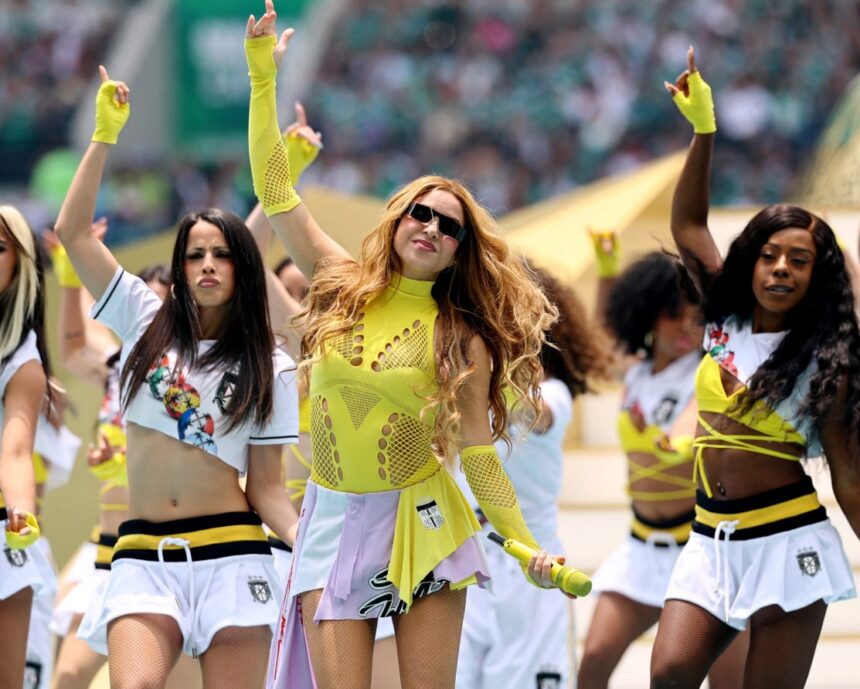
The FIFA World Cup 2026 final is set to deliver more than just football. For the first time in tournament history, a large-scale half-time entertainment show is expected to take centre stage during the sport’s biggest match, with UK broadcasters BBC and ITV preparing to televise the performance in full.
The final, scheduled to take place at the New York New Jersey Stadium, is already expected to attract hundreds of millions of viewers worldwide. However, attention is also turning toward the ambitious entertainment programme planned around the event.
Broadcasters Preparing for Longer Interval
According to current planning discussions, broadcasters are anticipating a half-time interval significantly longer than the traditional 15-minute break typically seen in international football.
Industry expectations suggest the overall interval could last between 25 and 30 minutes once stage construction, performances and stage removal are completed. While organizers have yet to confirm the final schedule publicly, both BBC and ITV are reportedly making editorial plans that include live coverage of the entire show.
See more of our coverage in your search results.
Add Hunterfly on GoogleThe longer break is expected to provide broadcasters with enough time to balance football analysis alongside entertainment coverage without reducing post-first-half discussion.
Star-Studded Performance Expected
The half-time event has been curated with support from Coldplay frontman Chris Martin and is expected to feature performances from several globally recognized music artists.
Among the names widely linked to the event are:
- Madonna
- Justin Bieber
- Shakira
- BTS
The performance itself is expected to run for approximately 11 minutes, though the logistical requirements surrounding the show may extend the overall interval substantially.
If completed as planned, the spectacle could become one of the most-watched musical performances in sports history.
See more of our coverage in your search results.
Add Hunterfly on GoogleFIFA Expands Entertainment Strategy
The 2026 tournament has showcased FIFA’s increasing focus on entertainment-driven presentation, particularly in host markets where major sporting events often incorporate large-scale musical productions.
Throughout the tournament, opening ceremonies and pre-match performances have become a notable feature across several host cities.
This approach reflects FIFA’s broader strategy of combining football with global entertainment to attract wider audiences and create memorable cultural moments around the competition.
See more of our coverage in your search results.
Add Hunterfly on GoogleFIFA President Gianni Infantino has previously described the final’s entertainment programme as an opportunity to celebrate football, music and international unity on a global stage.
Questions Over Match Regulations
The planned extended break has also generated discussion among football observers regarding existing match regulations.
Under traditional football laws, players are entitled to a half-time interval that generally does not exceed 15 minutes. Any significant extension would typically require official approval from competition authorities and match officials.
As of now, there has been no public indication of any dispute regarding the planned schedule.
Closing Ceremony Also Planned
In addition to the half-time performance, FIFA is expected to stage a major closing ceremony before kick-off.
The pre-match event is reportedly scheduled to begin around 90 minutes before the final and could feature performances from internationally acclaimed artists, adding further entertainment value to the championship occasion.
The combination of football, music and global celebrity appearances is expected to make the World Cup final one of the most significant live television events of 2026.
A New Era for World Cup Finals?
While the FIFA World Cup has always delivered iconic sporting moments, the introduction of a Super Bowl-style half-time show marks a major shift in presentation.
Supporters view the move as an opportunity to attract younger audiences and expand football’s global entertainment appeal. Critics, however, argue that the focus should remain firmly on the sport itself.
Regardless of opinion, the upcoming final appears set to break new ground by blending elite football with a globally televised entertainment spectacle, ensuring that the event remains at the centre of international attention long after the final whistle.