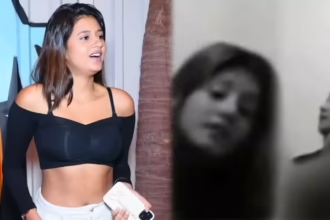






Bangladeshi actress and social media creator Arohi Mim has recently been mentioned in online posts claiming to offer access to an alleged private video. The claims have circulated through social media and messaging platforms, accompanied by sensational headlines and links designed to attract clicks.
However, there is no reliable evidence provided to establish that an authentic private video involving Arohi Mim exists. As with many so-called “viral MMS” stories involving public figures, users should be cautious before believing or sharing such claims.
Beyond the celebrity speculation, the episode highlights a wider problem involving deepfakes, non-consensual content, phishing websites and online privacy.
Who Is Arohi Mim?
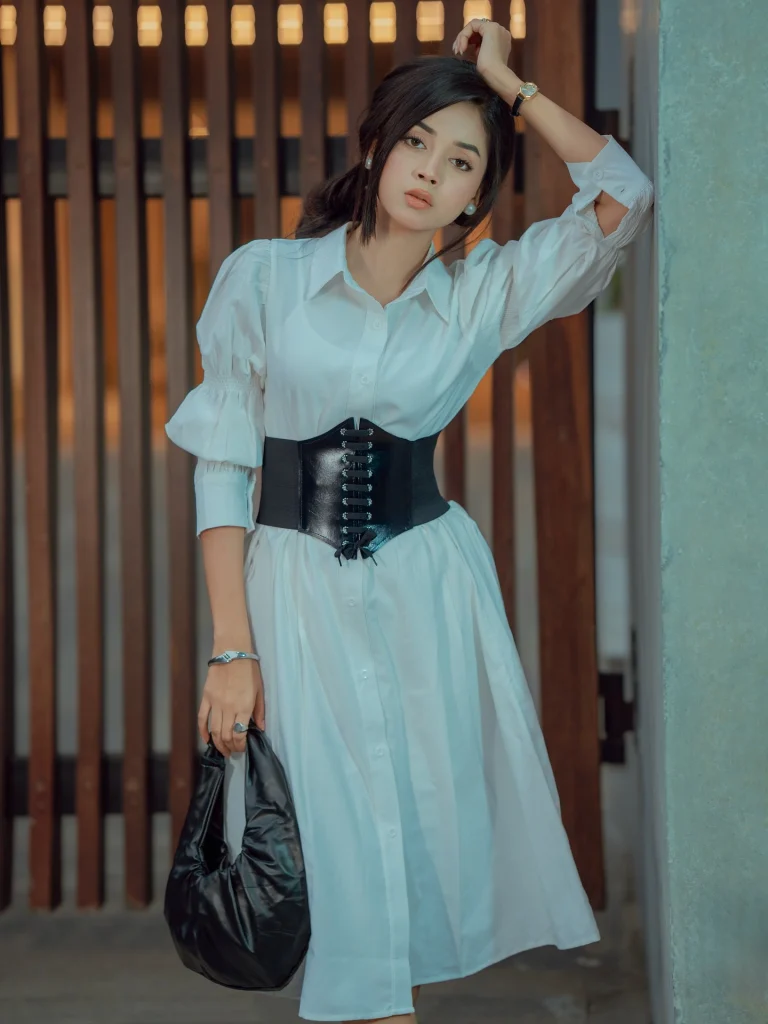
Arohi Mim is a Bangladeshi social media personality and actress who has built a substantial following through online content. She is particularly known for her presence on platforms such as TikTok and Instagram, where she shares fashion, entertainment and acting-related content.
See more of our coverage in your search results.
Add Hunterfly on GoogleShe has also appeared in plays and music videos and has developed a significant audience through her social media activity.
Her popularity makes her name potentially attractive to people attempting to generate engagement through sensational or misleading posts.
What Is Behind the Arohi Mim Viral Video Rumour?
Posts circulating on platforms including X and Telegram have reportedly used Arohi Mim’s name alongside claims about an alleged private video.
Such posts should not be treated as proof that the material exists.
There is no verified evidence in the information available for this article establishing that the alleged video is genuine. Users should therefore be particularly suspicious of posts that use phrases such as “watch now,” “full video,” “original clip” or similar language to encourage immediate clicks.
See more of our coverage in your search results.
Add Hunterfly on GoogleIn many cases, these links are created primarily to generate traffic, promote scam websites or expose users to malicious content.
Why “Viral MMS” Links Can Be Dangerous
Sensational video rumours can become an effective tool for cybercriminals because curiosity encourages people to click before checking the source.
A link claiming to lead to an exclusive or leaked video may instead take users to a phishing page, an unsafe website or a fake video player.
See more of our coverage in your search results.
Add Hunterfly on GooglePotential risks include:
- Credential theft: Fake login pages can attempt to collect passwords or account details.
- Malware: Suspicious websites or downloads can expose phones and computers to malicious software.
- Financial fraud: Some scams attempt to obtain banking, payment or other sensitive information.
- Account compromise: Stolen credentials can be used to access social-media or email accounts.
- Further scams: Users who interact with suspicious websites may subsequently receive additional fraudulent messages.
A promise of exclusive content is not worth putting personal information or devices at risk.
Deepfakes Make Online Rumours Harder to Assess
Artificial intelligence has made it increasingly easy to manipulate photographs, audio and video.
Deepfake technology can be used to create convincing but fabricated material featuring people who never appeared in the purported recording. Public figures can be particularly vulnerable because large quantities of photographs and videos of them may already be available online.
That means a realistic-looking image or video is not necessarily evidence of authenticity.
Users should avoid assuming that something is genuine simply because it has been viewed or shared thousands of times.
Privacy and Consent Matter
Alleged intimate material should not be searched for, downloaded or forwarded simply because it is trending.
If private or intimate content is created or distributed without a person’s consent, sharing it can cause significant harm to the individual involved. Depending on the circumstances and jurisdiction, distributing such material may also have legal consequences.
The fact that someone is a public figure does not remove their right to privacy.
How to Spot a Fake Viral Video Link
Before clicking on a sensational link, look for common warning signs.
1. Check the URL
Be cautious with unfamiliar domains, misspelled website names and shortened links whose destination you cannot verify.
2. Watch for Urgency
Scammers often use phrases suggesting that a video will disappear soon or that users must click immediately. Pressure is a common tactic.
3. Don’t Install Anything
A website should not require you to install an unknown application, browser extension or file merely to watch a video.
4. Never Enter Passwords
If a supposedly free video requires you to log into Facebook, Instagram, Gmail or another service through an unfamiliar website, stop.
5. Check Reputable Sources
Look for statements from the person involved, official accounts, credible news organisations or relevant authorities rather than relying on anonymous social-media posts.
What Should You Do If You Encounter the Content?
The safest response is not to share it further.
Instead, users can:
- Avoid clicking suspicious links.
- Do not download or forward alleged private material.
- Report misleading or abusive posts to the platform.
- Save relevant URLs or screenshots if evidence is needed for a report.
- Use official cybercrime reporting channels if you or someone you know is being targeted.
- Change passwords immediately if you entered credentials on a suspicious website.
- Enable two-factor authentication on important accounts.
If a device behaves unusually after visiting a suspicious website or downloading something, users should consider running a trusted security scan and seeking professional technical assistance.
Is There a Genuine Arohi Mim Viral Video?
Based on the information available for this report, there is no verified evidence establishing the authenticity of an alleged private video involving Arohi Mim.
Claims that promise an “original” or “full” video should therefore be treated with caution. A viral post, anonymous message or suspicious link is not independent verification.
Readers should also avoid attempting to investigate the rumour by downloading or circulating the alleged material.
The Bigger Lesson About Viral Content
The Arohi Mim controversy demonstrates how celebrity rumours and cyber scams can overlap.
A sensational claim can spread rapidly because people are curious about the person involved. At the same time, scammers can exploit that curiosity by attaching dangerous links to posts promising exclusive footage.