




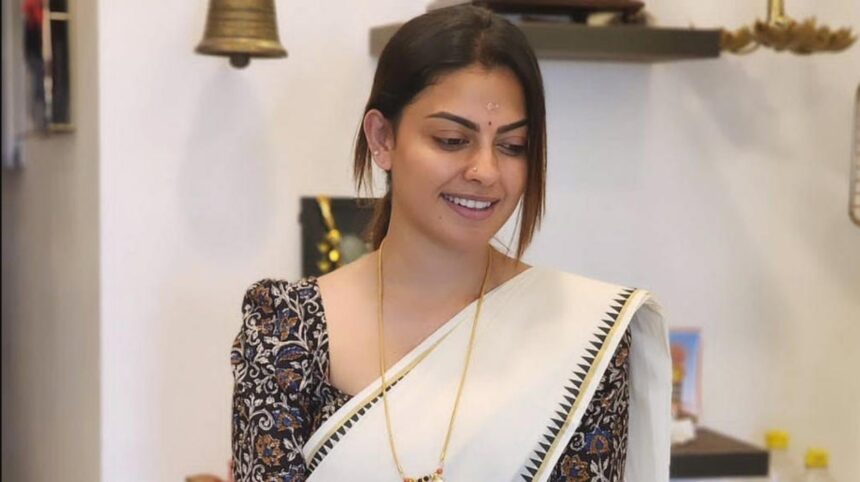
Malayalam actress Anusree has revealed that she walked away from a film after its producer objected to her request to read the complete script. The actress explained that understanding a character and being aware of potentially uncomfortable scenes are essential before accepting a project.
Malayalam actress Anusree has opened up about an unpleasant experience in the film industry, revealing that she once lost a project because she insisted on reading its complete script before committing to the role. The actress said the incident took place approximately one and a half years ago and involved a producer who appeared unhappy with her request.
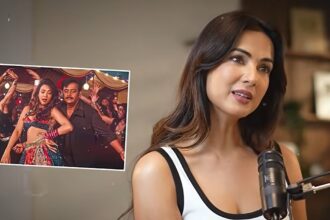
During an interview with Movieworld Media, Anusree explained that asking for a complete screenplay is a professional requirement rather than an unreasonable demand. She believes actors should have the opportunity to understand their characters, evaluate scenes and make informed decisions before agreeing to work on a film.
The actress, known for her performances in Malayalam cinema, also revealed why Maheshinte Prathikaram remains the only film she has worked on without reading a fully written script.
Anusree Says Producer Objected to Her Request for Complete Script
Recalling the incident, Anusree said a director had approached her with an offer to act in a film.
Before accepting the project, she requested the complete script so that she could understand the storyline and her character’s involvement.
However, the producer reportedly questioned why she needed to read the entire screenplay.
Describing the exchange, Anusree recalled:
“He asked me, ‘Do you only work after reading the full script?’ I replied, ‘Yes.'”
According to the actress, the disagreement ultimately resulted in her stepping away from the project.
She did not disclose the producer’s identity or the title of the film.
The incident highlights a difference in expectations between an actor seeking complete information about a role and filmmakers who may prefer to share limited details during initial discussions.
‘Acting Is My Profession’: Anusree Explains Why She Insists on Reading Scripts
Anusree stressed that acting is her profession and that requesting a screenplay is part of making responsible career decisions.
She explained that actors need to understand what a film requires of them before agreeing to participate.
A complete script helps performers assess the character’s development, the nature of individual scenes and whether the role includes situations they may not be comfortable portraying.
Anusree also pointed out that refusing a particular scene can become complicated once an actor has already committed to a project.
For that reason, she prefers to clarify expectations before accepting a film rather than discovering potentially uncomfortable material during production.
Her comments underline the importance of communication between actors, directors and producers during the casting process.
Anusree Says Asking for a Script Is Not Arrogance
The actress rejected the suggestion that requesting a complete screenplay should be considered an expression of arrogance.
According to Anusree, actors are hired as creative professionals who contribute to the storytelling process, not simply as individuals expected to arrive on set and perform without adequate preparation.
She believes being familiar with the script allows an actor to understand the director’s vision and make a more meaningful contribution to the project.
Anusree maintained that she would not accept films where the makers refuse to provide the complete script.
At the same time, she chose not to publicly identify the producer involved in the earlier disagreement.
Her account reflects her personal experience and professional approach; the producer’s perspective on the incident has not been provided.
Why Reading a Complete Film Script Matters for Actors
Anusree’s comments draw attention to a broader issue in filmmaking: how much information actors receive before agreeing to a project.
A screenplay contains more than dialogue. It typically outlines scenes, character interactions, narrative developments and the dramatic situations performers may be required to portray.
Reading the script can help actors evaluate several important aspects of a role.
- Character development: Understanding how the character changes throughout the story.
- Scene requirements: Identifying emotionally demanding, physically challenging or sensitive sequences.
- Creative expectations: Assessing whether the role aligns with the actor’s interests and professional boundaries.
- Preparation: Planning the performance, including dialogue delivery, characterisation and interactions with other actors.
- Informed agreement: Clarifying expectations before production begins.
Not every film follows the same writing or production process. Some filmmakers work with detailed screenplays, while others use outlines, improvisation or dialogue developed during rehearsals.
However, even when a project does not have a conventional script, communicating the character’s responsibilities and the nature of important scenes can help establish clear expectations.
Maheshinte Prathikaram Was the Only Film Anusree Accepted Without a Full Script
Interestingly, Anusree revealed that she made an exception to her usual practice while working on Maheshinte Prathikaram.
The 2016 Malayalam film, directed by Dileesh Pothan and starring Fahadh Faasil, featured Anusree in a supporting role.
According to the actress, the production did not follow a conventional process involving a completely written screenplay and pre-prepared dialogues.
Instead, the filmmakers provided an overview of the story and explained her character in detail.
She also received scene-by-scene explanations, allowing her to understand what was expected during filming.
Anusree said this approach gave her sufficient clarity to perform despite not having a complete written script.
The experience was different from the later project she declined, where her request for the full screenplay reportedly became a point of disagreement.
Anusree Recalls Working Without Pre-Written Dialogues
Speaking about Maheshinte Prathikaram, Anusree explained that the film’s creative process relied on detailed discussions rather than a conventional script provided to her in advance.
She said the makers explained the situations, character motivations and individual sequences before filming.
According to her account, the dialogues were not supplied as fully written material beforehand.
This method required communication between the performers and the filmmaking team so that the actors could understand their roles.
Anusree’s willingness to participate in that production suggests that her principal concern is not necessarily the physical availability of a finished screenplay, but having adequate knowledge of the material she is expected to perform.
The distinction is important because an actor may be able to make an informed decision through detailed creative discussions even when a film follows a less conventional production process.
Anusree’s Upcoming Film Prempaatta
On the professional front, Anusree is associated with the upcoming Malayalam film Prempaatta.
The project also features Arun Ashok and Joemon Jyothir, according to the supplied production details.
The film has been reported as targeting a November release, although its exact release date and current theatrical schedule require official confirmation.
Further details about Anusree’s character and the film’s storyline have not been provided in the source material.
Anusree’s Experience Highlights the Importance of Professional Boundaries
Anusree’s comments provide an insight into the decisions actors make before accepting film roles.
While performers may approach script selection differently, understanding the creative and practical requirements of a project can be essential to making an informed commitment.
The actress’s experience also illustrates how disagreements over preparation and transparency can influence casting decisions.
By refusing to accept a project without sufficient information about its screenplay, Anusree has made clear that professional boundaries are an important part of her approach to acting.
Her recollection of Maheshinte Prathikaram further shows that flexibility in filmmaking can coexist with open communication and a clear understanding of a role.