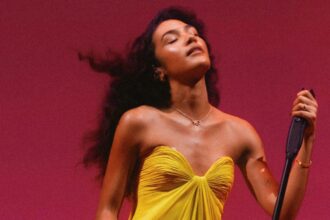






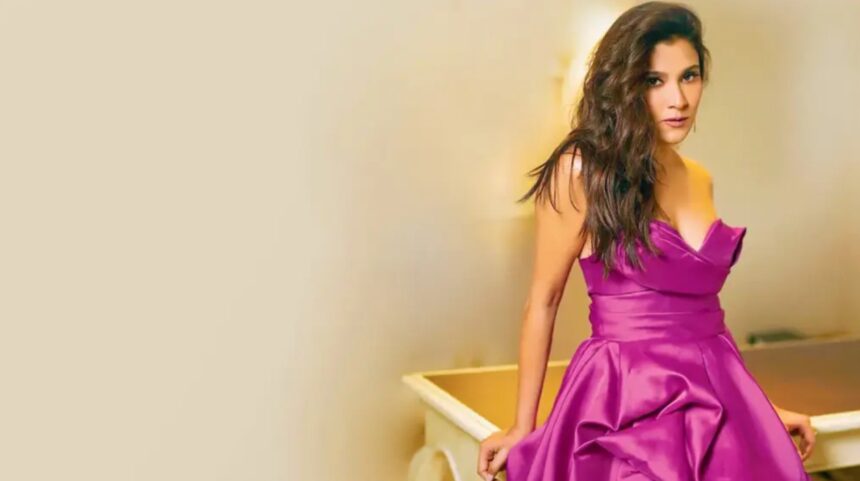
Aastha Gill has returned to music with a renewed creative outlook after taking a break in 2026. The singer, who released Fursat in August and followed it with her three-track EP Wild Card in October, has also spoken about the criticism female performers face over their appearance and personal choices.
Indian singer Aastha Gill is entering a new phase of her musical journey, one defined by creative independence, experimentation and a willingness to move beyond familiar expectations.
Following a self-imposed break from music for much of 2026, Gill returned with the single Fursat in August. Two months later, she introduced Wild Card, an extended play that reflects her desire to reconnect with her Punjabi musical influences while exploring different sounds.
In a recent interview with mid-day, the singer discussed how stepping away from her professional routine helped her reconsider her artistic direction. She also addressed the scrutiny faced by women in the entertainment industry, particularly when their stage outfits attract more attention than their performances.
Aastha Gill Explains Why She Took a Break From Music
For Gill, the decision to temporarily step away from releasing music was an opportunity for reflection rather than a departure from her career.
The singer used that period to reconsider the kind of artist she wanted to become and how she could approach future projects with greater creative freedom.
Her return through Fursat marked the beginning of that transition. While the song represented a personal comeback, the subsequent release of Wild Card allowed her to revisit the Punjabi influences that have shaped her musical identity.
Speaking to mid-day, Gill described her current approach as more open to experimentation, with fewer restrictions on the genres and styles she wants to explore.
Rather than limiting her future releases to a particular musical formula, she appears interested in moving between emotional compositions and energetic tracks according to her creative instincts.
Wild Card EP Signals a New Musical Direction
Released in October 2026, Wild Card represents another step in Gill’s return to independent music-making.
The EP contains three tracks and draws on her Punjabi roots, according to the interview.
Its significance goes beyond the release of new songs. For Gill, the project reflects a change in how she approaches her work, with artistic exploration taking priority over maintaining a narrowly defined musical identity.
The singer has indicated that this chapter of her career feels more adventurous, allowing her to make creative decisions without placing unnecessary limits on herself.
Her comments suggest that listeners may see greater stylistic variety in her future releases, although specific upcoming projects were not detailed in the supplied interview.
Aastha Gill Addresses Criticism of Female Performers’ Outfits
Beyond her comeback, Gill spoke about an issue that continues to generate debate in the entertainment industry: the way women performers are judged for their clothing and physical presentation.
The discussion came against the backdrop of criticism directed at singer Sunidhi Chauhan over an outfit worn during a performance.
Gill questioned why a woman’s appearance should become a measure of her professional credibility.
In the interview, she made her position clear:
“A woman’s talent should never be measured by her outfit.”
The singer argued that confidence and individuality should not prevent women from receiving recognition for their work.
Her remarks draw attention to the distinction between assessing a musical performance and making personal judgements about the artist delivering it.
For a performer, styling may be part of a broader stage identity, but Gill’s argument is that such choices should not overshadow vocal ability, creative contribution or professional accomplishment.
Why Gill’s Comments Matter for Women in Music
Gill’s observations raise a wider question about how audiences evaluate female musicians.
Artists are often expected to develop recognisable public identities alongside their music. For women, however, conversations about fashion, appearance and personal presentation can sometimes compete with discussion of the work itself.
The criticism surrounding a performer’s outfit also highlights the difficulty of separating public taste from unfair personal scrutiny.
Audiences may have different preferences regarding stage fashion, but those preferences do not necessarily determine the quality of an artist’s music.
Gill’s position is that women should be able to express different aspects of their personalities without having to choose between individuality and professional respect.
Her comments are particularly relevant in an industry where social media reactions can quickly redirect attention away from a performance and towards an artist’s appearance.
From Fursat to Wild Card: Aastha Gill’s 2026 Comeback
Gill’s return has involved two distinct musical releases.
Fursat, released in August, marked her return following a period away from the spotlight. Wild Card, which followed in October, provided another opportunity to establish the creative direction she wants to pursue.
Together, these releases illustrate an artist seeking greater control over her musical identity.
Her willingness to experiment also suggests that she does not want to be confined to a single style simply because listeners associate her with a particular sound.
The interview offered insight into that personal transition, although it did not establish a detailed schedule for her next releases.
A New Chapter Built Around Creative Freedom
Aastha Gill’s latest comments bring together two aspects of her career: the freedom to explore new music and the freedom for women to express themselves without disproportionate judgement.
Her return with Fursat and Wild Card marks a fresh creative phase after several months away from releasing music.
At the same time, her response to criticism of female performers reinforces a straightforward argument: musicians deserve to have their work evaluated on artistic merit rather than appearance.
As Gill continues this new chapter, her focus appears to be on making music that reflects her changing interests while remaining comfortable with her own identity.
Have a story tip or feedback? Write to [email protected].