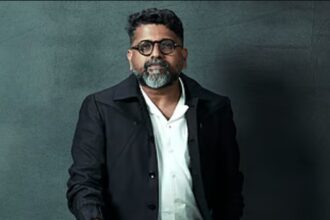




Filmmaker Aanand L Rai and production house Eros International Media are embroiled in a high-stakes legal battle, with the studio filing a Rs 84 crore intellectual property lawsuit against the director and his company, Colour Yellow Productions. The dispute centres on allegations that Rai unlawfully leveraged the goodwill and intellectual property of Raanjhanaa while marketing his 2025 film Tere Ishk Mein.
The lawsuit follows months of public friction between the two sides, which intensified after Rai accused Eros of re-releasing the Tamil version of Raanjhanaa with an AI-altered ending without his consent. Eros, in turn, has alleged that Tere Ishk Mein was promoted as a “spiritual sequel” to Raanjhanaa without authorisation, amounting to trademark infringement, copyright violation, and unfair commercial exploitation.
Why Has Eros Filed a Rs 84 Crore Suit Against Aanand L Rai?
Raanjhanaa (2013), starring Dhanush and Sonam Kapoor, was produced by Eros International Media, which claims to be the sole and exclusive owner of all intellectual property rights related to the film.
As reported by ETimes, the lawsuit names multiple defendants, including:
See more of our coverage in your search results.
Add Hunterfly on Google- Aanand L Rai
- Colour Yellow Productions
- Super Cassettes Industries (T-Series)
- Writer Himanshu Sharma
- Netflix Entertainment Services India LLP
In its complaint, Eros asserts ownership over copyrights, registered trademarks, character rights, dialogues, and rights related to sequels, prequels, and remakes of Raanjhanaa.
“The Plaintiff is the producer and exclusive owner of all intellectual property rights in the highly successful Hindi film Raanjhanaa,” the lawsuit states, adding that this includes characters such as Kundan Shankar and Murari, as well as all derivative works.
‘World of Raanjhanaa’ and Character Reuse Allegations
One of Eros’s central arguments concerns the promotional strategy for Tere Ishk Mein. The studio alleges that Colour Yellow used hashtags such as #WorldOfRaanjhanaa, creating a direct association between the two films and misleading audiences.
The lawsuit also highlights Mohammad Zeeshan Ayyub’s cameo as Murari, a character he previously played in Raanjhanaa. Eros claims the character’s reappearance—portrayed again as a sharp-witted confidant—constitutes unauthorised reproduction and commercial use.
According to the filing, such use represents a “blatant infringement” of Eros’s exclusive rights over the film’s characters and narrative universe.
See more of our coverage in your search results.
Add Hunterfly on GoogleEros further noted that although certain references were removed after a cease-and-desist notice issued on July 25, 2025, the film’s promotional material and positioning continued to imply a connection with Raanjhanaa.
The AI-Modified Ending Controversy
The legal dispute escalated publicly in July 2025, when Aanand L Rai criticised Eros for re-releasing Raanjhanaa with an AI-modified climax, alleging it was done without his knowledge or approval.
Reacting to the criticism, Eros CEO Pradeep Dwivedi told Zoom that Rai’s statements were “factually incorrect and misleading,” and suggested they were intended to divert attention from ongoing legal and governance issues.
See more of our coverage in your search results.
Add Hunterfly on Google“It would be prudent for Mr. Rai to acknowledge the ownership of IP as per the law and his written commitments,” Dwivedi said, accusing the filmmaker of exploiting media narratives for self-promotion.
Rai, however, shared an emotional statement on Instagram, calling the modification of Raanjhanaa “heartbreaking” and expressing distress over the film being altered and re-released without his consent.
Where Things Stand
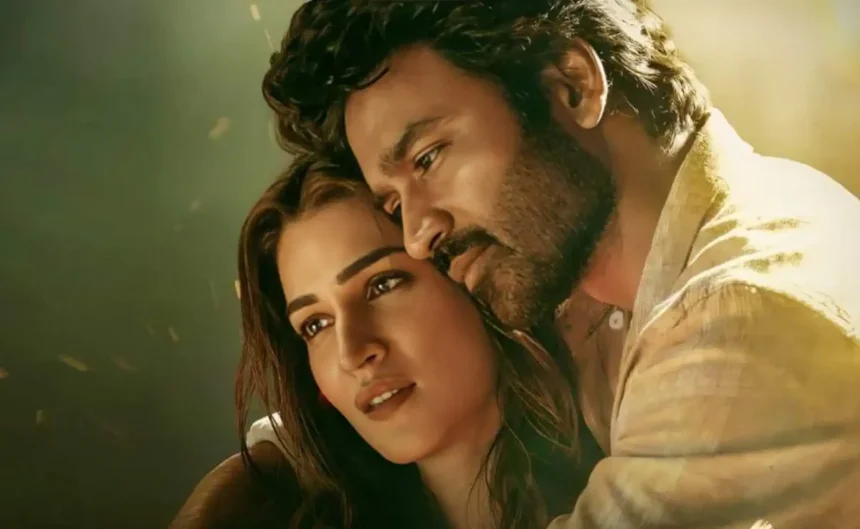
Tere Ishk Mein, starring Dhanush and Kriti Sanon, was released theatrically on November 28, 2025 and was widely described as a spiritual successor to Raanjhanaa. With the lawsuit now underway, the case is expected to become a significant legal precedent in Bollywood, particularly regarding IP ownership, spiritual sequels, character rights, and the use of AI in cinema.