




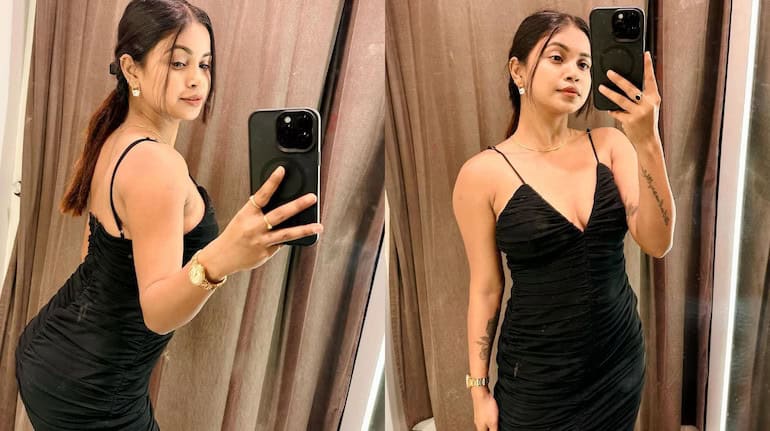
In the fast-moving digital landscape, social media personalities frequently face controversies beyond their control. In 2025, influencer Sona Dey found herself at the centre of a viral MMS controversy after a video circulated online claiming to feature her in a compromising situation.
However, Sona Dey has firmly denied any involvement, stating that the clip is fabricated and digitally manipulated.
Sona Dey Responds to Viral MMS Allegations
Soon after the video began trending across multiple platforms, Sona addressed the issue through her official social media handles and YouTube channel. She categorically rejected the claims, asserting that the woman shown in the video is not her.
According to her public clarification, the clip appears to be edited or morphed to resemble her. She also indicated that the person in the footage is allegedly someone else, dismissing the claims linking her to the video.
See more of our coverage in your search results.
Add Hunterfly on GoogleHer swift response aimed to curb misinformation and prevent further reputational damage.

The Growing Threat of Deepfakes and Digital Manipulation
The controversy highlights a larger issue: the rise of deepfake technology and advanced digital editing tools. These technologies can create highly realistic but entirely fabricated videos, often targeting public figures.
Several celebrities in recent years, including Rashmika Mandanna, Katrina Kaif, and Kajol, have faced similar challenges involving digitally altered content.
As artificial intelligence tools become more accessible, distinguishing between authentic and manipulated media is increasingly difficult. Experts continue to stress the importance of verifying sources before sharing viral content.
Privacy Concerns for Public Figures
Incidents like this underscore ongoing concerns about digital privacy and online harassment. Public personalities often become targets of misinformation campaigns, edited clips, and fabricated narratives designed to attract views and engagement.
See more of our coverage in your search results.
Add Hunterfly on GoogleSona Dey’s direct and transparent communication reflects a broader shift among influencers — addressing controversies quickly to prevent escalation.
Her response also opens an important conversation about:
- Responsible content sharing
- Ethical use of AI and editing tools
- Platform accountability
- Stronger digital safety regulations
Why Media Literacy Matters More Than Ever
The viral MMS controversy serves as a reminder that not everything online is authentic. Social media users are encouraged to:
See more of our coverage in your search results.
Add Hunterfly on Google- Verify information before sharing
- Avoid amplifying unconfirmed content
- Report misleading or harmful material
- Respect individual privacy
As digital ecosystems evolve in 2026 and beyond, media literacy remains essential for combating misinformation.
Conclusion
The Sona Dey viral MMS episode illustrates the darker implications of digital manipulation in the social media era. While she has strongly denied the authenticity of the circulating clip, the situation reinforces the urgent need for stronger safeguards against deepfake misuse and online defamation.
As discussions around AI ethics and digital accountability continue, cases like this highlight why awareness, verification, and responsible sharing are critical in today’s online world.
FAQs
What did Sona Dey say about the viral MMS video?
She denied any involvement and stated that the video is fake and digitally manipulated.
Is the viral MMS video authentic?
Sona Dey has publicly rejected the claims and described the clip as fabricated.
Why do such controversies happen?
With advancements in AI editing and deepfake technology, fabricated videos can be created to resemble real individuals.
How can users avoid spreading misinformation?
Always verify content through credible sources before sharing and avoid forwarding unverified viral clips.