



Pakistani social-media personality Sajal Malik has become the subject of online speculation after an alleged private video was circulated on social-media platforms. Claims about the footage have spread rapidly online, but its authenticity has not been independently established.
Pakistani TikTok personality and social-media influencer Sajal Malik has recently attracted significant attention online following the circulation of an alleged private video.
The material has been widely discussed on social-media platforms, with users offering conflicting claims about its authenticity. Some posts have presented the footage as genuine, while others have questioned whether the person shown is actually Sajal or whether the material has been manipulated.
At present, the alleged footage should not be treated as verified.
See more of our coverage in your search results.
Add Hunterfly on GoogleSajal Malik becomes the focus of online speculation
Sajal Malik has built an audience through social-media content and is particularly associated with platforms such as TikTok, Instagram and Snapchat.
Her content reportedly includes fashion, beauty, makeup and lifestyle-related posts, helping her establish a following among younger social-media users.
The recent controversy has shifted attention away from her regular content and toward an alleged private recording being circulated online.
As the claim spread, social-media users became divided. Some expressed support for Sajal, while others posted critical or mocking comments.
The online reaction illustrates how quickly unverified claims involving influencers can become viral.
See more of our coverage in your search results.
Add Hunterfly on GoogleIs the alleged Sajal Malik video real?
There is currently no reliable basis in the supplied reports to independently verify the authenticity of the alleged video.
Some social-media users have claimed that the footage is fake, while other accounts have continued to circulate it as though it were genuine.
Social-media posts, reposted clips and comments are not sufficient evidence to establish the identity of someone appearing in a video.
See more of our coverage in your search results.
Add Hunterfly on GoogleA responsible news report should therefore distinguish between the existence of an online rumour and confirmation of the allegation.
Sajal Malik’s response
Reports concerning Sajal’s alleged video have included conflicting information about whether she has publicly responded to the controversy.
Therefore, claims that she has confirmed the footage, admitted involvement or taken responsibility for it should not be published without a direct statement from Sajal or a credible source documenting that response.
The absence of a verified statement also means that the story should remain focused on the online speculation, rather than presenting the alleged video as established fact.
Do not share alleged private footage
The circulation of alleged intimate material involving a real person raises serious privacy concerns.
Even when a video is already trending, reposting, downloading or linking to alleged private footage can cause additional harm to the person involved.
Readers should also be cautious about clicking on accounts promising access to “full videos” or “original footage.” Such posts can lead to scams, malware, impersonation accounts or further distribution of material that may have been shared without consent.
For this reason, Hunterfly.in should report on the controversy without embedding, describing in detail or linking to the alleged recording.
Sajal Malik’s social-media career
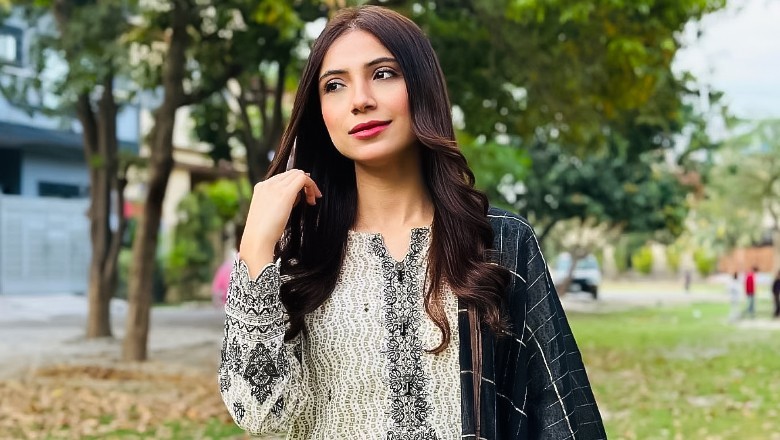
Sajal Malik is known as a Pakistani digital creator with a presence across several social-media platforms.
Her online content has reportedly focused on areas such as fashion, makeup, lifestyle and social topics.
As with many influencers, her public profile means that personal rumours can spread rapidly when posts are shared by large numbers of users.
The latest controversy has therefore generated attention well beyond her existing follower base.
The Minahil Malik controversy is a separate case
The supplied material also refers to Minahil Malik, another Pakistani TikTok personality who faced a separate controversy involving alleged private videos.
Minahil publicly disputed the authenticity of material associated with her and was reported to have approached Pakistan’s Federal Investigation Agency (FIA) regarding the matter.
She later announced her departure from social media following the controversy.
These events should not be presented as evidence involving Sajal Malik. The two women are separate individuals, and their respective controversies should be reported independently.
Imsha Rahman also faced a similar online controversy
The draft also mentions Pakistani TikToker Imsha Rahman, who reportedly deactivated her social-media accounts after an alleged intimate video controversy.
Her case, like the Minahil Malik controversy, illustrates the broader problem of non-consensual or disputed private material spreading through social networks.
However, these separate incidents should not be combined with the Sajal Malik story unless a reliable source establishes a direct connection.
Why social-media users should be cautious
Viral celebrity and influencer stories can change quickly as posts are copied from one platform to another.
A claim that begins with an anonymous account may eventually appear on dozens of websites, giving readers the false impression that it has been independently confirmed.
That is particularly dangerous in stories involving alleged private material.
The key distinction is between:
- A video being circulated online
- A person being identified in the video
- The person confirming that identification
- Independent evidence establishing the video’s authenticity
Those are four different things.
In Sajal Malik’s case, the available information does not establish all four.
The bigger issue of online privacy
The controversy also highlights the growing challenges faced by influencers and public figures whose images and identities are frequently used in online content.
Whether a disputed video is authentic, manipulated or falsely attributed, rapid circulation can cause significant reputational and emotional harm.
Social-media users therefore have an important role to play in limiting the spread of unverified claims.
Instead of sharing alleged private content, audiences should wait for statements from the person involved, credible news organisations or relevant authorities.