




Color Speaks Louder Than Words
Color is one of the first things people notice about an outfit. It can influence mood, communicate personality and shape the impression someone makes. From confident red to timeless black, different shades can give clothing a distinctive character.
But is there a universal list of colors that men find attractive on women or that women prefer in others? Not exactly. Attraction depends on individual taste, cultural background, personal experiences and the occasion. Still, some colors are popular choices for creating memorable, stylish looks.
Here are 10 colors that many people may find appealing on women and 10 shades women may appreciate in a partner’s wardrobe, along with practical tips for wearing them confidently.
10 Colors Men May Find Attractive on Women
1. Red
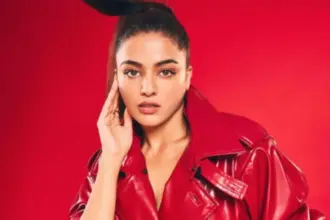
Red is often associated with passion, confidence and energy. A red dress, saree or blouse can make a bold fashion statement, especially at evening events and celebrations. Its strong visual presence makes it a popular choice for people who enjoy expressive styling.
2. Black
Black is a classic option for its versatility and polished appearance. A black dress, tailored jumpsuit or elegant saree can create a sophisticated look without relying on elaborate patterns or embellishments.
3. White
White can communicate simplicity, freshness and understated elegance. From a crisp white shirt to a flowing summer dress, the shade works well for casual outings, daytime events and minimalist outfits.
4. Blue
Blue is a versatile color that ranges from relaxed and casual to rich and formal. Navy outfits can look refined, while brighter shades offer a more energetic appearance. Denim, blue dresses and tailored shirts are easy ways to incorporate it.
5. Pink
Pink can create a soft, playful or confident look depending on its shade. Pastel pink often feels delicate, while hot pink makes a stronger statement. The color can work beautifully in both traditional Indian outfits and contemporary fashion.
6. Emerald Green
Emerald green offers a rich, distinctive appearance. It is particularly effective in satin dresses, evening gowns and festive ethnic wear. Gold accessories can complement the shade, while silver jewellery creates a cooler contrast.
7. Burgundy
Burgundy combines the depth of red with a more subdued finish. It is well suited to evening occasions, autumn-inspired styling and festive celebrations. A burgundy dress or saree can feel elegant without appearing overly bright.
8. Purple
Purple can range from gentle lavender to deep plum. Lighter shades offer a relaxed, romantic aesthetic, while darker tones create a dramatic effect. Purple also pairs well with metallic accessories and neutral footwear.
9. Yellow
Yellow can bring warmth and brightness to an outfit. Mustard, butter yellow and golden shades each create a different effect, making the color suitable for summer dressing, daytime events and festive gatherings.
10. Teal
Teal combines the character of blue and green, creating a distinctive alternative to more familiar shades. It works well in dresses, blouses and traditional outfits, especially when paired with neutral accessories or understated jewellery.
Style tip: Rather than choosing a color solely to attract someone else, consider the shades that complement your skin tone, suit the occasion and make you feel comfortable.
10 Colors Women May Prefer in Men’s Clothing
Women’s preferences vary widely, but these colors are practical wardrobe choices that can help men create versatile and well-coordinated outfits.
1. Black
Black is a dependable choice for evening wear and smart-casual outfits. A well-fitted black shirt, jacket or suit can create a clean, coordinated appearance.
2. Navy Blue
Navy blue offers many of the advantages of black while introducing a softer contrast. It works especially well in suits, chinos, blazers and button-down shirts.
3. White
A clean white shirt is a wardrobe essential. It pairs easily with jeans, tailored trousers and formal suits, making it useful for dates, work events and everyday wear.
4. Charcoal Grey
Charcoal grey provides a refined alternative to black. It works well in formal suits, trousers and knitwear and can be paired with white, pale blue or burgundy.
5. Burgundy
Burgundy adds color without becoming excessively bright. A burgundy shirt, sweater or jacket can provide a distinctive accent to an otherwise neutral outfit.
6. Forest Green
Forest green offers a rich, understated option for casual and smart-casual clothing. It pairs well with beige, black, denim and brown accessories.
7. Light Blue
Light blue is a versatile shade for shirts, casual jackets and knitwear. It can create a relaxed, approachable look and works particularly well with navy or charcoal trousers.
8. Olive Green
Olive green is a practical choice for everyday dressing. It complements denim, white T-shirts, neutral jackets and earth-toned accessories, making it easy to wear across seasons.
9. Beige
Beige creates a clean, understated aesthetic. Beige trousers, overshirts and lightweight knitwear can form the foundation of a smart-casual wardrobe when combined with darker shades.
10. Earthy Brown
Brown and related earth tones can give an outfit a warm, natural appearance. Chocolate-brown jackets, tan shoes and brown knitwear can work particularly well with cream, navy and olive green.
Style tip: Fit, cleanliness, coordination and confidence often matter more to the overall impression of an outfit than the exact color someone chooses.
Why Do Certain Colors Stand Out?
Color perception is influenced by several factors. Bright shades may attract attention because of their visual intensity, while darker neutrals are often associated with formal or understated styling. Cultural traditions, fashion trends and personal memories can also affect how people respond to particular colors.
Red, for example, has been studied in research on attraction and social perception, but findings do not establish that everyone finds red more attractive in every situation. The setting, clothing style and individual preferences all matter.
It is also important to distinguish a color’s cultural symbolism from a proven psychological effect. A color associated with romance in one context may communicate celebration, formality or a different meaning in another.
How to Choose Colors That Suit You
The most effective wardrobe is one that reflects personal style rather than relying on a supposed universal formula for attraction.
- Consider the occasion: Bold colors can work well for parties, while neutrals are often easier to style for formal or professional settings.
- Experiment with contrast: Pair one statement shade with neutral colors to keep the outfit balanced.
- Choose complementary combinations: Navy and white, burgundy and charcoal, or emerald green and gold can create coordinated looks.
- Pay attention to fit: Clothing that fits comfortably and suits the occasion can make a stronger overall impression.
- Wear colors with confidence: Personal comfort and authenticity help make an outfit feel natural rather than forced.
Final Thoughts
Red, black, blue, white and jewel tones offer plenty of possibilities for women’s fashion, while navy, charcoal, burgundy and earthy shades provide versatile options for men’s wardrobes. However, there is no single list of colors that guarantees attraction.
Personal taste, cultural influences, context and the way an outfit is styled all shape how people respond to color. The best choice is ultimately a shade that suits the occasion, complements the outfit and allows the wearer to express their own personality.