








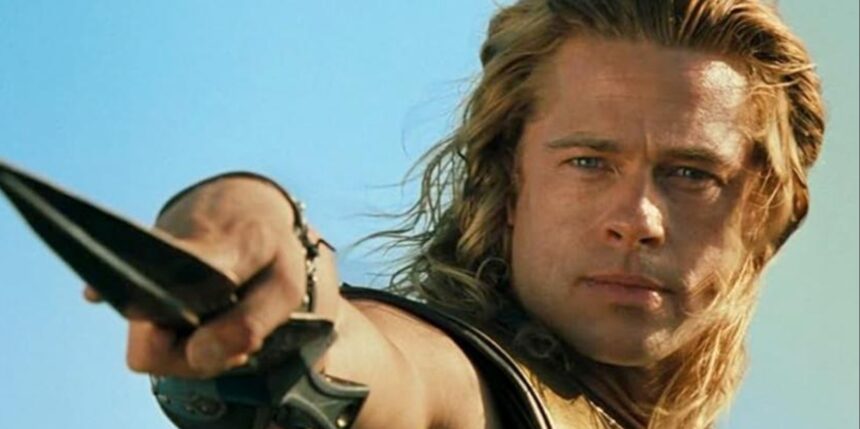
More than two decades after its theatrical debut, Troy remains one of Hollywood’s most discussed and debated epic films. Directed by Wolfgang Petersen and headlined by Brad Pitt as Achilles, the 2004 blockbuster continues to spark conversations among movie fans, mythology enthusiasts, and critics alike.
With Christopher Nolan’s highly anticipated adaptation of The Odyssey generating fresh interest in Greek mythology, many viewers are revisiting Troy and reassessing its legacy. While the film is praised for its scale, performances, and battle sequences, it is also remembered for the liberties it took with the source material.
A Hollywood Epic That Chose Its Own Path
Based loosely on events associated with the Trojan War, Troy sought to present a more grounded and realistic interpretation of the legendary conflict. Instead of portraying gods and supernatural interventions as active participants, the film focused on political ambition, human emotions, and military strategy.
This creative choice immediately distinguished it from traditional retellings of Greek mythology. For some viewers, the realistic approach made the story more accessible. For others, it removed many of the elements that made the original legends compelling.
See more of our coverage in your search results.
Add Hunterfly on GoogleThe film’s screenplay, written by David Benioff, condensed and reimagined several parts of the mythology, resulting in major departures from commonly known versions of the Trojan War narrative.
Why Mythology Fans Remain Divided
One of the biggest points of debate involves the portrayal of key characters and their fates.
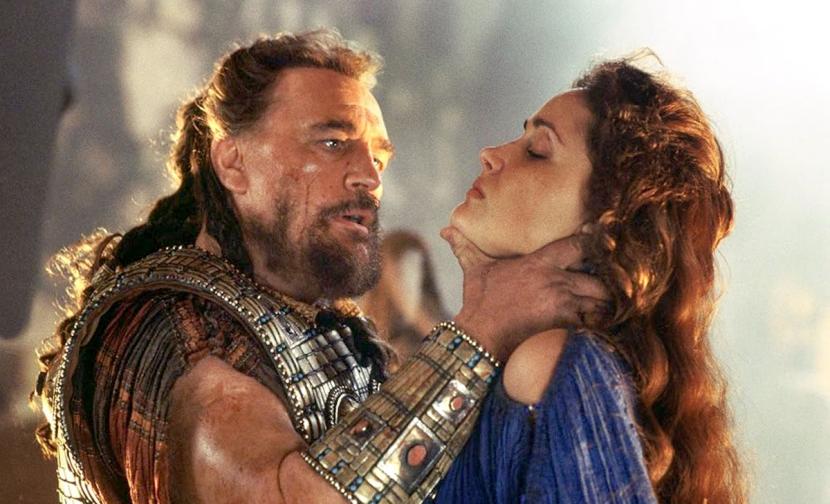
Many viewers familiar with Greek mythology questioned several narrative changes, including the treatment of Achilles, Paris, Menelaus, and other major figures. Certain characters were given expanded roles, while others saw their significance reduced or altered to fit the film’s dramatic structure.
The movie also presents a more sympathetic portrayal of Troy and its royal family, particularly Hector, played by Eric Bana. His characterization emerged as one of the most praised aspects of the film, with many audiences viewing him as the emotional center of the story.
By contrast, some Greek leaders were portrayed in a far less favorable light, shifting audience sympathies in ways that differ from many traditional interpretations of the legend.
See more of our coverage in your search results.
Add Hunterfly on Google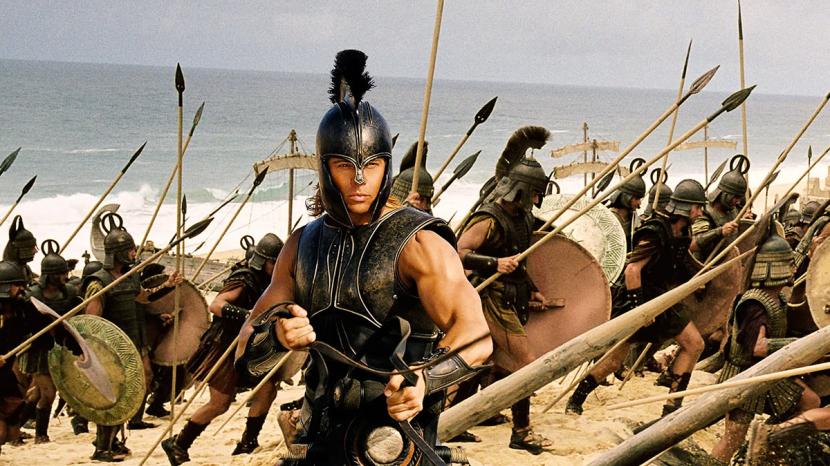
Brad Pitt’s Achilles Remains a Defining Performance
Despite the debates surrounding the adaptation, Brad Pitt’s performance as Achilles remains one of the film’s strongest assets.
Achilles is presented as a legendary warrior seeking immortality through glory and reputation. While the movie simplifies certain aspects of the mythological figure, Pitt brings charisma, intensity, and screen presence to the role.
His duel with Hector remains one of the most memorable combat sequences in modern epic cinema. The confrontation continues to be widely regarded as the film’s standout moment and is frequently cited among the greatest one-on-one battle scenes in Hollywood history.
See more of our coverage in your search results.
Add Hunterfly on Google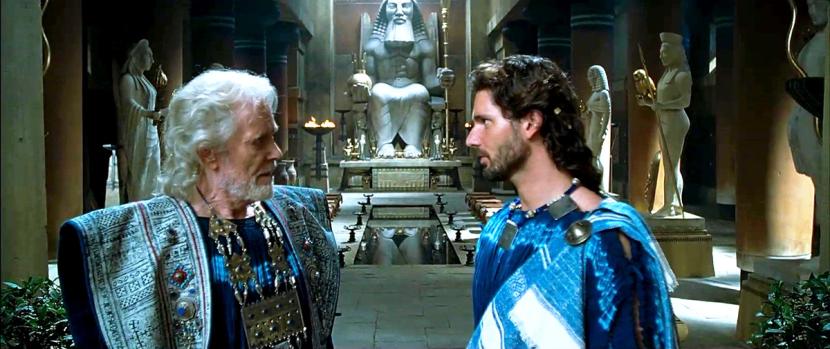
Eric Bana’s Hector Earned Lasting Praise
If there is one area where audiences often find common ground, it is Eric Bana’s portrayal of Hector.
The Trojan prince is depicted as honorable, loyal, and deeply committed to his family and kingdom. His internal conflicts, sense of duty, and tragic fate provide much of the film’s emotional weight.
Many critics and viewers have argued that Hector ultimately emerges as the story’s most relatable and compelling character, helping the film maintain its emotional resonance even when audiences disagree with other creative decisions.
Spectacle That Still Holds Up
While visual effects technology has evolved significantly since 2004, Troy continues to impress with its large-scale battle sequences, practical production design, and ambitious scope.
The film was produced during an era when studios still relied heavily on physical locations, large sets, and extensive extras to create epic battle scenes. As a result, many sequences retain a tangible sense of scale that audiences continue to appreciate.
The Director’s Cut, released after the theatrical version, further expanded the film with additional character moments, extended action sequences, and a more mature presentation.
The Lasting Legacy of Troy
Part of the reason Troy remains relevant is that it sits at the intersection of blockbuster entertainment and literary adaptation. The film attempted to transform one of the world’s most influential mythological stories into a mainstream Hollywood spectacle.
That ambition produced mixed reactions, but it also ensured the film would remain a topic of discussion long after its release.
As audiences prepare for new interpretations of Greek mythology on the big screen, Troy serves as a reminder of the challenges involved in adapting legendary stories for modern viewers. Whether seen as a flawed epic or an underrated blockbuster, its influence continues to endure.
Final Verdict
Twenty-two years later, Troy remains a fascinating case study in adaptation. Its visual grandeur, memorable performances, and ambitious storytelling continue to attract new viewers, while its departures from mythology ensure ongoing debate among longtime fans.
The fact that people are still discussing the film more than two decades later may be the strongest indication of its enduring place in popular culture.