






Bollywood has long glorified chastity, creating the archetype of the “Good Indian Girl” — a heroine whose virtue is synonymous with purity, silence, and compliance. Even the most modern, seemingly liberated characters are framed through the lens of sexual innocence. This obsession with purity isn’t harmless; it has real-world consequences, reinforcing victim-blaming and feeding a culture that excuses sexual violence.
When Priyanka Chopra moved to Hollywood for Quantico, some viewers remarked that she “couldn’t do these scenes in Bollywood.” While the scenes were tame by network television standards, the comment reflected a deeper truth: Bollywood’s leading ladies are rarely allowed sexual agency, either on-screen or implied off-screen. Their characters must remain untainted, reinforcing the notion that only sexually “pure” women are worthy of love, success, or sympathy.
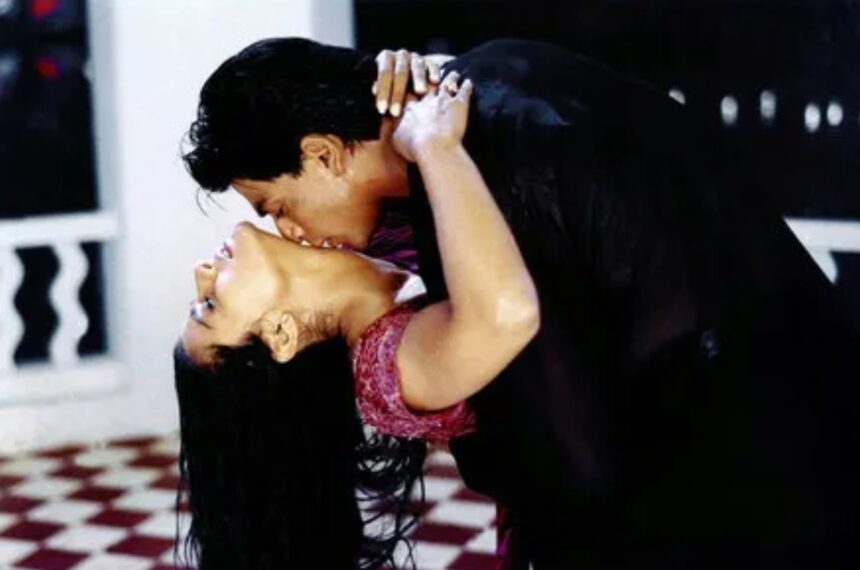
This pattern has roots in India’s cultural history. From the Ramayana to modern cinema, the idea of the virtuous woman as a perfect victim persists. In Kuch Kuch Hota Hai (1998), Tina, played by Rani Mukerji, embodies this ideal. Despite modern trappings — miniskirts, college abroad, cosmopolitan allure — she must ultimately prove her “Indian-ness” and chastity to win love. Her innocence is validated through rituals, dress codes, and behavioral checks, mirroring the mythological trial of Sita, who was forced to prove her purity after being abducted by Ravana. The message is clear: women’s sexual conduct is scrutinized, and their worth is conditional on virtue.

Even as Bollywood incorporated modern heroines who drink, smoke, or rebel, the sanctity of virginity remains largely inviolable. Characters who assert sexual desire — like Deepika Padukone’s Veronica in Cocktail — face narrative punishment: love is denied, moral lessons imposed. Bollywood’s Good Indian Girl is a myth — a tool of social control that extends far beyond cinema, influencing attitudes toward consent, sexual violence, and victimhood.
See more of our coverage in your search results.
Add Hunterfly on GoogleThe consequences are stark. Until 2014, Indian rape survivors were subjected to the infamous “two-finger test” to determine sexual history — a practice rooted in the same harmful logic that cinema reinforces. Courts, police, and society often treated women’s sexuality as a measure of blameworthiness. This logic is perpetuated by media, film, and cultural narratives, creating a dangerous environment where female autonomy is policed.
Independent Indian cinema, however, is challenging this paradigm. Films like Neeraj Ghaywan’s Masaan (2015) offer protagonists with agency, desire, and moral complexity. Devi, portrayed by Richa Chadda, embraces her sexuality, makes choices, and refuses shame. Her character shatters the Good Indian Girl archetype, showing that women can have sexual autonomy without being villainized. Critics praised the film for its boldness, highlighting how rare such portrayals remain in Indian cinema.

The push for female agency is not just about sex; it’s about dismantling harmful myths that perpetuate violence. The Good Indian Girl is a fiction, a cinematic and cultural construct that upholds patriarchal hierarchies. Films like Masaan offer a roadmap for change: portraying women as human beings, capable of desire, choice, and defiance.
To challenge sexual violence and victim-blaming, society must reject this myth and create space for authentic female representation. Bollywood’s obsession with chastity may persist, but independent cinema proves that women with agency can exist, thrive, and define goodness on their own terms.
There is no Good Indian Girl. There never was. And cinema can — finally — reflect that truth.
See more of our coverage in your search results.
Add Hunterfly on Google