






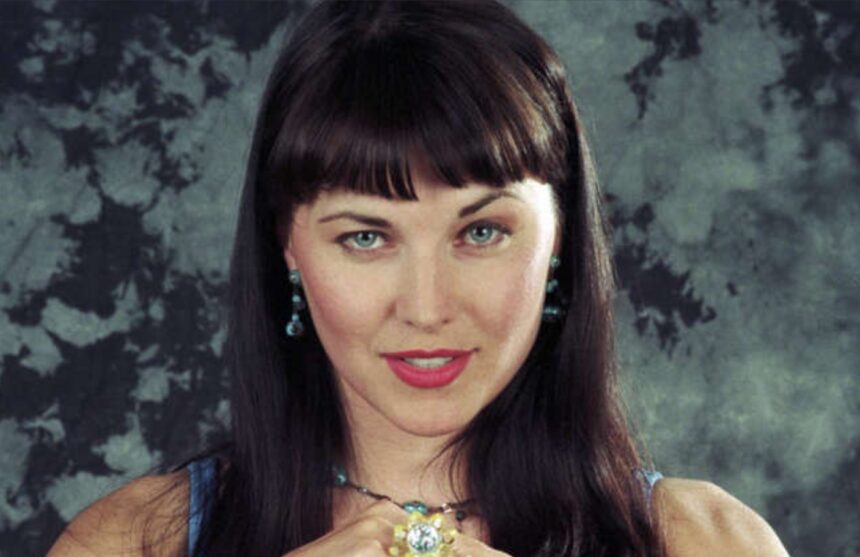
Long before television regularly featured openly LGBTQ characters, Xena: Warrior Princess created a cultural phenomenon that resonated deeply with audiences around the world.
Although Xena, played by Lucy Lawless, never explicitly identified herself as gay or bisexual within the series, her close and emotionally rich relationship with Gabrielle, portrayed by Renee O’Connor, became one of television’s most celebrated examples of LGBTQ-coded storytelling.
Decades after the show’s original run, both characters continue to hold a special place in LGBTQ television history.
The Bond That Defined the Series
Premiering in 1995, Xena: Warrior Princess followed the adventures of a former warrior seeking redemption while traveling alongside her loyal companion Gabrielle.
See more of our coverage in your search results.
Add Hunterfly on GoogleAs the series progressed, viewers became increasingly invested in the relationship between the two women.
Their connection extended beyond friendship, with many fans interpreting their bond as romantic due to the emotional depth, devotion and loyalty they consistently demonstrated toward one another.
At a time when LGBTQ representation on mainstream television was limited, many viewers found comfort and visibility in the relationship between Xena and Gabrielle.
A Cultural Phenomenon for LGBTQ Audiences
The series developed a passionate fan following that embraced Xena and Gabrielle as lesbian icons, even though the show’s writers never officially defined the relationship on screen.
For many LGBTQ viewers, the characters represented a rare example of two women sharing a profound emotional connection at the center of a major television series.
See more of our coverage in your search results.
Add Hunterfly on GoogleFan communities, conventions and online forums helped transform the duo into cultural symbols that extended far beyond the show’s original audience.
Their influence remains visible today in discussions about LGBTQ representation in television and popular culture.
Lucy Lawless Later Addressed Xena’s Sexuality
Years after the series ended, Lucy Lawless openly discussed fan interpretations of the character.
See more of our coverage in your search results.
Add Hunterfly on GoogleThe actress acknowledged that Xena was intended to be open to different relationships and later described the character as “openly bisexual.”
Her comments reinforced what many fans had believed for years and added another layer to the character’s legacy.
The acknowledgment was widely celebrated by longtime viewers who had connected with the character’s story and identity.
Why Xena’s Legacy Endures
Television has evolved significantly since the 1990s, with far more explicit LGBTQ representation appearing across major networks and streaming platforms.
Yet Xena: Warrior Princess continues to be referenced whenever discussions arise about groundbreaking LGBTQ characters.
The series demonstrated how meaningful relationships and strong character development could create representation that resonated with audiences even without explicit labels.
For many fans, Xena and Gabrielle helped pave the way for more inclusive storytelling in the years that followed.
A Lasting Place in Television History
More than two decades after its finale, Xena: Warrior Princess remains a landmark series remembered for its action, mythology and cultural impact.
While interpretations of the relationship between Xena and Gabrielle may vary, their importance to LGBTQ television history is widely recognized.
Their story continues to inspire new generations of viewers and serves as a reminder of how powerful representation can be, even when it emerges in unexpected ways.
As television continues to evolve, Xena’s place among the medium’s most influential LGBTQ icons remains firmly intact.