








For more than a decade, dating apps promised to revolutionize modern romance. With just a few swipes, users could meet new people, expand their social circles, and potentially find long-term relationships. For a generation raised in the digital age, these platforms initially seemed like the natural future of dating.
However, a growing number of Gen Z users are now stepping back from dating apps, citing emotional exhaustion, superficial interactions, and a desire for more genuine human connection.
Rather than abandoning relationships altogether, many young adults are rethinking how they approach dating and what they truly want from it.
The Rise of Swipe Fatigue
One of the biggest reasons behind the shift is a phenomenon commonly referred to as swipe fatigue.
See more of our coverage in your search results.
Add Hunterfly on GoogleWhile dating apps provide access to countless potential matches, many users report feeling overwhelmed by:
- Endless conversations that go nowhere
- Ghosting and inconsistent communication
- Mixed signals and uncertainty
- Pressure to constantly impress others
- Emotional burnout from repeated disappointments
What once felt exciting and full of possibilities can gradually become repetitive and emotionally draining.
Relationship experts note that many users invest significant time and emotional energy into online interactions that never develop into meaningful relationships.
The Paradox of Too Many Choices
Modern dating platforms were designed to provide more options, but for many users, that abundance has created a new challenge.
Psychologists often refer to this as the “paradox of choice.”
See more of our coverage in your search results.
Add Hunterfly on GoogleWhen people are presented with too many options, they may struggle to commit fully to any one decision. In dating, this can lead to a cycle of constantly searching for someone “better” rather than investing in a developing connection.
Many Gen Z users report feeling that endless matches have made meaningful commitment more difficult rather than easier.
Why Real-Life Interactions Are Making a Comeback
Despite advances in technology, certain aspects of human connection remain difficult to replicate online.
See more of our coverage in your search results.
Add Hunterfly on GoogleQualities such as:
- Kindness
- Emotional maturity
- Consistency
- Genuine attentiveness
- Natural chemistry
are often easier to recognize through in-person interactions.
As a result, many young adults are increasingly seeking opportunities to meet people organically through:
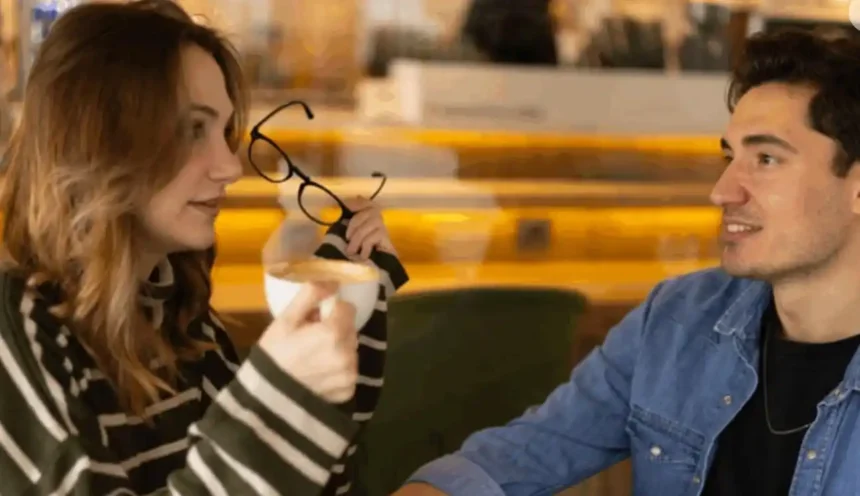
- Cafés and social gatherings
- Fitness communities
- Hobby clubs
- Professional networking events
- Travel groups
- Mutual friends
These environments allow relationships to develop more naturally without the pressures often associated with online dating.
A Growing Focus on Emotional Well-Being
Another major factor behind the shift is increased awareness of mental and emotional health.
Today’s young adults are placing greater importance on:
- Emotional safety
- Honest communication
- Authentic conversations
- Mutual respect
- Healthy boundaries
Many Gen Z individuals say they would rather have fewer meaningful interactions than hundreds of superficial matches.
This change reflects broader conversations around self-care, emotional intelligence, and relationship quality.
Beyond Romance: The Search for Genuine Connection
Interestingly, the shift away from dating apps is not solely about finding romantic partners.
Many young people are actively seeking deeper forms of human connection overall.
Experts note that loneliness and social isolation remain significant challenges despite increased digital connectivity.
As a result, some individuals are turning toward:
- Community-building activities
- Friendship-focused platforms
- Group experiences
- Wellness communities
- Supportive social networks
These alternatives prioritize meaningful interaction over romantic outcomes.
The Rise of Intentional Dating
Modern dating is also becoming more intentional.
Rather than rushing into relationships, many Gen Z adults are taking time to better understand:
- Their emotional needs
- Personal values
- Communication styles
- Relationship expectations
- Long-term compatibility
Some are even seeking guidance from relationship coaches, therapists, and personal development experts before entering serious relationships.
This reflects a growing desire to build healthier and more sustainable connections.
Technology Isn’t the Problem
Importantly, experts emphasize that the decline in enthusiasm for dating apps does not necessarily mean technology has failed.
Dating apps continue to help millions of people meet potential partners and form successful relationships.
The issue is less about the platforms themselves and more about how users experience them.
Many Gen Z individuals simply want dating to feel:
- More human
- More authentic
- Less transactional
- More emotionally rewarding
What the Future of Dating May Look Like
As attitudes toward relationships continue to evolve, dating apps are likely to remain part of the modern dating landscape. However, they may no longer be viewed as the primary or only path to connection.
The growing trend suggests that many young adults are moving toward a hybrid approach that combines digital convenience with real-world experiences and intentional relationship-building.
The Bottom Line
Gen Z is not turning away from love. Instead, the generation is redefining what meaningful connection looks like.
After years of endless swiping, many young adults are discovering that what they value most cannot always be found through algorithms or profile pictures. They are prioritizing authenticity, emotional depth, and genuine human interaction over quantity.
As dating culture continues to evolve, one message is becoming increasingly clear: for Gen Z, meaningful connection matters more than endless options.