









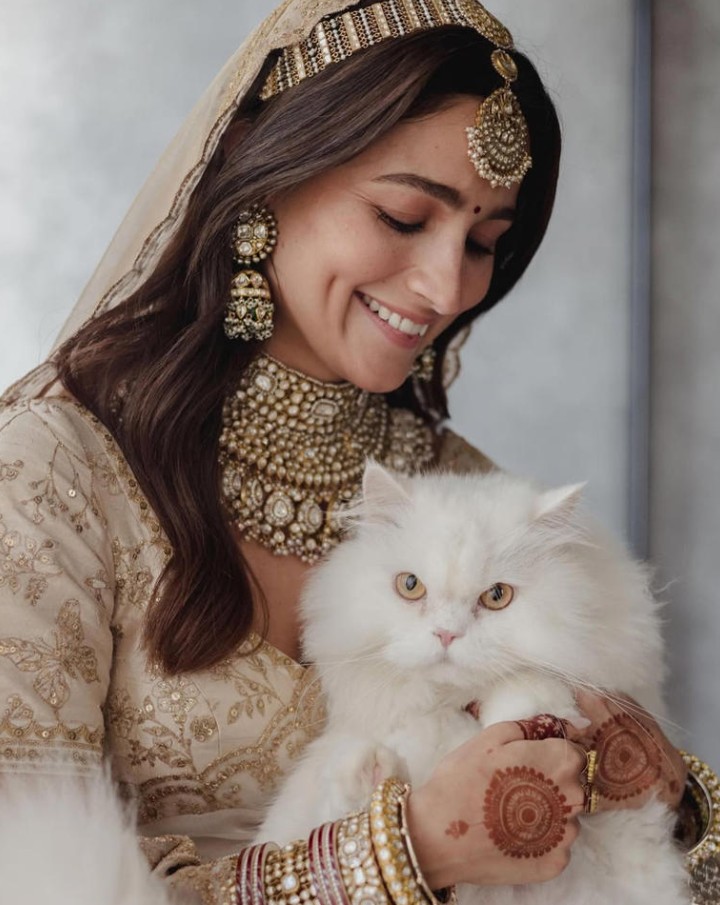
Actor Alia Bhatt recently shared how her pets have quietly shaped her outlook on life. In a conversation with Esquire India, the Raazi star reflected on the unexpected wisdom she has gained from her cats.
“Some life lessons my cats have taught me: don’t take yourself too seriously. Don’t have any expectations from anyone; the less you expect, the better it is. You will be less disappointed. And just sleep. Sleep and life’s good,” she said.
While the advice may sound light-hearted, experts suggest it reflects deeper themes of emotional balance and self-preservation.
The Psychology Behind Emotional Detachment
At its core, Bhatt’s perspective aligns with the concept of emotional detachment — often misunderstood as indifference.
See more of our coverage in your search results.
Add Hunterfly on GoogleDelhi-based psychologist Dr Riya Singh, who specialises in workplace stress and emotional intelligence, explains that detachment does not mean being cold or unfeeling. Instead, it can serve as a coping strategy, especially in high-pressure environments.
“In demanding professions, detachment helps individuals maintain focus, protect their mental health, and avoid being manipulated or hurt by temporary professional relationships,” she noted.
Emotional overinvestment, particularly in competitive industries, can lead to disappointment when loyalty is tied to success. By moderating expectations, individuals may reduce emotional strain.
Can Detachment Improve Decision-Making?
According to Sonal Khangarot, a licensed rehabilitation counsellor and psychotherapist at The Answer Room, research suggests that maintaining emotional distance in high-stress situations may lower cortisol levels — the hormone associated with stress.
Reduced stress can improve clarity, decision-making, and resilience. It also allows professionals to respond strategically rather than react impulsively.
See more of our coverage in your search results.
Add Hunterfly on GoogleDr Singh added that emotional regulation is a key component of emotional intelligence. Managing attachment effectively enables individuals to focus on long-term goals without becoming entangled in interpersonal conflicts.
For someone like Bhatt — who balances acting with production ventures — this mindset may help her stay centred amid industry pressures.
Detachment Doesn’t Mean Isolation
Experts emphasise that healthy detachment differs from withdrawal. While maintaining composure in professional spaces, individuals can still build meaningful support systems outside transactional environments.
See more of our coverage in your search results.
Add Hunterfly on GoogleFriends, family, and mentors provide emotional grounding without the volatility that can accompany competitive workspaces.
However, excessive detachment can hinder empathy and authentic connection. As Khangarot cautions, balance is essential. Leaders and public figures must remain invested enough to inspire trust, while resilient enough to navigate setbacks.
How To Practise Healthy Detachment
Detachment is not about apathy — it is about mental clarity. Experts recommend practical strategies:
1. Mindfulness
Regular mindfulness practices can reduce anxiety and improve emotional regulation. Observing thoughts without judgment helps individuals stay composed under pressure.
2. Focus On What You Can Control
Anxiety often stems from uncertainty. Identifying controllable factors — and letting go of rigid expectations — fosters stability.
3. Mental Reframing
Shifting perspective from “Why is this happening to me?” to “What can I learn from this?” builds resilience and reduces emotional over-identification with setbacks.
4. Scheduled Reflection
Setting aside time for reflection allows emotional processing without letting stress dominate daily life.
Alia Bhatt’s reflections, inspired by her cats, may appear simple — rest well, expect less, stay grounded. Yet beneath the simplicity lies a broader message about emotional balance, self-awareness, and protecting mental well-being in demanding environments.
Sometimes, wisdom arrives in the quietest forms — even from a pet curled up beside you.