







Nepal has achieved a major public health victory as the World Health Organization (WHO) officially declares rubella eliminated in the country. This milestone reflects years of dedicated efforts by Nepalese health authorities, healthcare workers, and community volunteers.
“Nepal’s success reflects the commitment of its leadership, persistent efforts of healthcare workers, and active community engagement,” said Dr. Catharina Boehme, WHO South-East Asia Officer-in-Charge, citing findings from the SEA-Regional Verification Commission (SEA-RVC).
Understanding Rubella and Its Significance
Rubella, also called German measles, is a contagious viral infection causing fever and rash. While mild in children, it poses serious risks for pregnant women. Infection during early pregnancy can lead to Congenital Rubella Syndrome (CRS), causing birth defects such as hearing loss, cataracts, heart problems, and developmental delays. Globally, rubella remains a leading cause of preventable congenital disabilities, making elimination a top public health priority.
How Nepal Achieved Rubella Elimination
Nepal’s approach was multi-faceted:
- Vaccine Introduction: Rubella vaccine introduced in 2012, targeting children aged 9 months to 15 years.
- Second Dose: Added to national schedule in 2016 for stronger immunity.
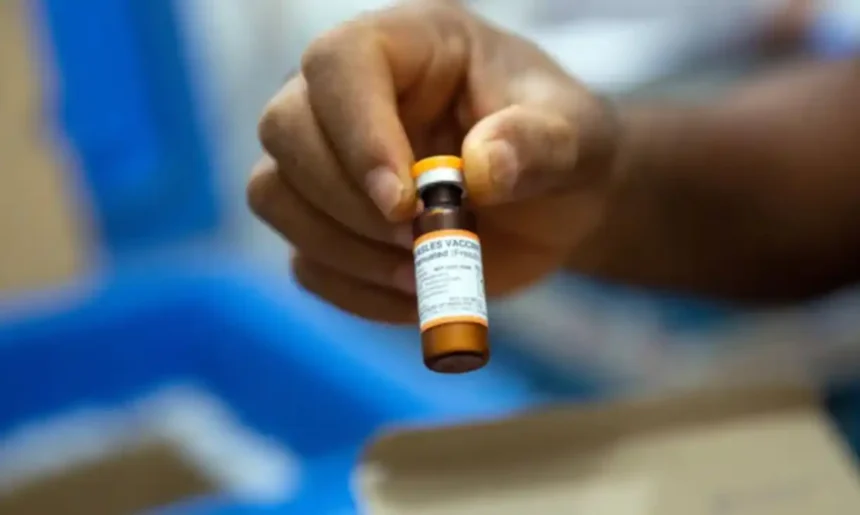
- Nationwide Campaigns: Four major vaccination drives (2012, 2016, 2020, 2024) ensured high coverage even during the COVID-19 pandemic and natural disasters.
- Community Engagement: Annual immunization months, incentives for districts achieving full coverage, and outreach to missed populations.
- Laboratory Surveillance: Nepal implemented one of the region’s first robust lab-testing algorithms for rubella, strengthening disease monitoring.
By 2024, over 95% of children had received at least one dose, surpassing WHO’s elimination benchmark. Nepal now joins Bhutan, DPR Korea, Maldives, Sri Lanka, and Timor-Leste in eliminating rubella in the South-East Asia region.
See more of our coverage in your search results.
Add Hunterfly on GoogleIndia’s Progress Towards Rubella Elimination
India has made significant strides but is still on the final stretch:
National Immunization Programme:
- Measles-Rubella (MR) vaccine included in Universal Immunization Programme (UIP) since 2017.
- Two free doses: first at 9–12 months, second at 16–24 months.
Vaccination Coverage (2024–25):
- First dose: 93.7%
- Second dose: 92.2%
- Slightly below WHO’s 95% benchmark, highlighting the need for continued outreach in remote areas.
District-Level Success:
- Jan–Mar 2025: 332 districts reported zero measles cases, 487 districts reported zero rubella cases.
National Campaigns:
See more of our coverage in your search results.
Add Hunterfly on Google- National Zero Measles-Rubella Elimination Campaign 2025 targets children missed in earlier drives, combining digital awareness, multilingual materials, and an “ACT NOW” policy to boost immunization.
Mass Vaccination Efforts:
- Over 348 million children vaccinated since 2017, with additional campaigns reaching high-risk urban and rural populations.
Surveillance & Lab Strengthening:
- Expanded networks track suspected cases via case-based monitoring of “fever with rash” illnesses, with WHO support improving outbreak detection and containment.
State-Level Initiatives:
See more of our coverage in your search results.
Add Hunterfly on Google- Kerala’s May 2025 drive achieved 92% first-dose and 87% second-dose coverage, with special focus on migrants and hard-to-reach communities.
How the Public Can Contribute
- Ensure children receive both MR doses on time.
- Participate in vaccination drives and spread awareness in communities.
- Report suspected fever and rash cases to local health authorities to strengthen surveillance.
Nepal’s success demonstrates that leadership, community engagement, and consistent vaccination can eradicate deadly viruses. With sustained effort, India is poised to achieve rubella elimination by 2026, protecting millions of children from preventable congenital disabilities.