



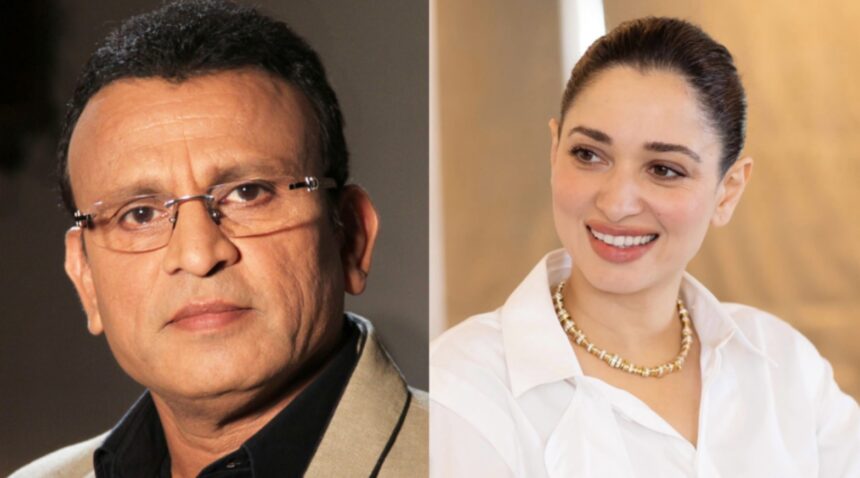
Mumbai: Veteran actor Annu Kapoor has once again drawn attention after defending a controversial remark involving actor Tamannaah Bhatia, choosing to stand by his comments instead of offering an apology. His response has sparked fresh discussions on social media about the responsibilities of public figures, changing social expectations and the limits of free expression.
The controversy, which initially centered on Kapoor’s remarks during a promotional interaction, has since evolved into a broader conversation about public language, gender sensitivity and accountability in the entertainment industry.
Kapoor Responds to Criticism
After facing criticism online, Kapoor rejected calls for an apology and argued that many people have become overly sensitive in interpreting public comments.
During subsequent interactions with the media, he claimed that those offended by his remarks were viewing Indian humour and speech through what he described as a colonial mindset, using the phrase “British slaves mentally” to explain his position.
See more of our coverage in your search results.
Add Hunterfly on GoogleHis response immediately generated another wave of reactions, with supporters defending his right to express his views while critics argued that public figures should be mindful of how their words affect audiences.
Debate Expands Beyond the Original Remark
What began as criticism of a single statement has broadened into a larger discussion about celebrity influence and evolving cultural standards.
Many commentators have argued that historical references to colonial influence do not address concerns about respectful public communication. Others maintain that comedy and satire should continue to allow room for differing interpretations without automatically resulting in public condemnation.
The differing perspectives have kept the issue active across digital platforms, where users continue to debate the balance between freedom of expression and public accountability.
Social Media’s Role in Shaping Public Opinion
The episode also highlights how quickly public conversations now develop in the digital era.
See more of our coverage in your search results.
Add Hunterfly on GoogleComments made during interviews are frequently clipped, shared and discussed across multiple platforms within minutes, often reaching audiences far beyond the original context.
As a result, actors, filmmakers and other public personalities increasingly face immediate public scrutiny, with online discussions influencing how controversies unfold.
A Wider Conversation on Public Responsibility
The discussion surrounding Kapoor’s remarks reflects broader questions about the role of celebrities in shaping public discourse.
See more of our coverage in your search results.
Add Hunterfly on GooglePublic figures often command significant influence, and their statements can trigger conversations extending well beyond the entertainment industry.
While opinions remain divided on Kapoor’s defence, the incident has prompted renewed reflection on how humour, respect and cultural values intersect in modern public life.
Tamannaah Bhatia Has Not Publicly Responded
As of publication, Tamannaah Bhatia has not issued a public response to Kapoor’s latest remarks.
The discussion continues across social media and entertainment circles, with observers noting that the controversy has become part of a larger national conversation about communication, accountability and changing audience expectations.
Whether viewed as a debate about freedom of speech or about responsible public conduct, the incident underscores how celebrity comments can rapidly become subjects of widespread public interest in today’s media landscape.