






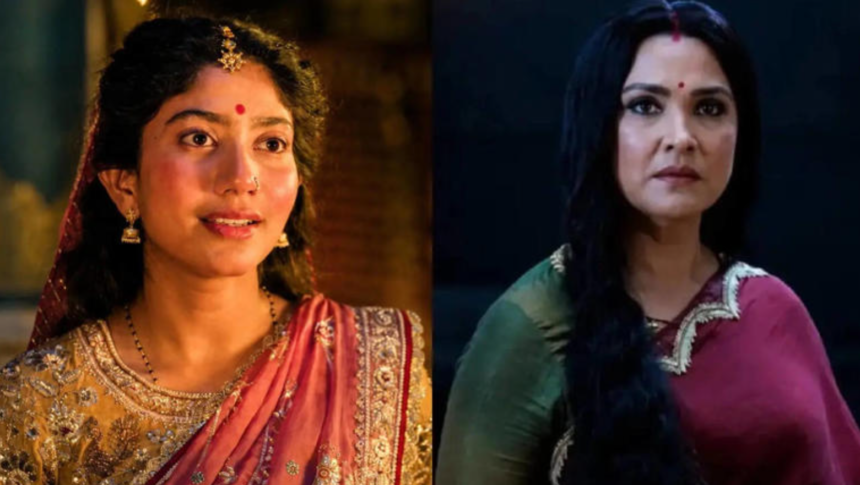
The release of Nitesh Tiwari’s Ramayana trailer has generated widespread discussion across social media, with much of the conversation focusing on the film’s visual presentation. While many viewers praised the scale of the production and its visual effects, others debated the costumes of Sai Pallavi, who portrays Goddess Sita, and Lara Dutta, who plays Queen Kaikeyi.
As conversations continued online, the film’s costume designers, Rimple and Harpreet Narulah, shared insights into the creative philosophy behind the character designs, emphasizing that every costume was created with careful artistic intent and symbolic meaning.
Designers Expected Diverse Reactions
The designers acknowledged that adapting one of India’s most revered epics naturally brings diverse opinions.
Speaking about the response, they explained that the Ramayana has existed in countless artistic forms for generations, making discussions around casting, visual design and costumes inevitable.
See more of our coverage in your search results.
Add Hunterfly on GoogleAccording to the designers, the team anticipated viewers would have different expectations because of the deep cultural and emotional connection many people have with the epic.
The Inspiration Behind Sai Pallavi’s Sita
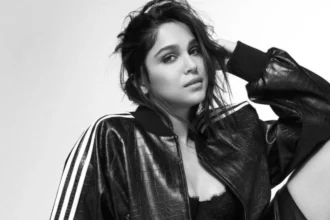
One of the most discussed aspects of the trailer has been Sai Pallavi’s appearance as Goddess Sita.
Explaining the creative direction, the designers said the costume was not intended to be a strict archaeological reconstruction. Instead, it reflects a devotional and artistic interpretation inspired by traditional representations of Sita found in temple art, paintings and personal spiritual imagery.
They noted that research formed the foundation of the design process, while artistic interpretation helped bring the character to life for a cinematic audience.
The objective, they explained, was to present a version of Sita that feels emotionally familiar while remaining consistent with the film’s storytelling.
See more of our coverage in your search results.
Add Hunterfly on GoogleKaikeyi’s Costume Reflects Her Emotional Journey
The designers also addressed conversations surrounding Lara Dutta’s portrayal of Queen Kaikeyi.
According to them, every visual element of Kaikeyi’s costume was carefully chosen to communicate the character’s inner emotional conflict.
They explained that:
See more of our coverage in your search results.
Add Hunterfly on Google- Green symbolizes motherhood and nurturing.
- Deep maroon reflects emotional strength, sacrifice and the difficult choices Kaikeyi must make.
Rather than serving as decorative elements alone, the colours were intended to reinforce the character’s narrative arc throughout the film.
Blending Research with Storytelling
Designing costumes for a large-scale mythological film involves balancing historical inspiration, artistic interpretation and cinematic storytelling.
The designers said extensive research informed every stage of the creative process, but the final designs were developed to support the emotional language of the film rather than function as museum recreations.
They encouraged audiences to experience the complete story before forming conclusions about the visual choices.
About Ramayana
Directed by Nitesh Tiwari, Ramayana brings together a major ensemble cast including:
- Ranbir Kapoor as Lord Rama
- Sai Pallavi as Goddess Sita
- Yash as Ravana
- Ravi Dubey as Lakshmana
- Lara Dutta as Queen Kaikeyi
According to the filmmakers, Part 1 will focus on Lord Rama’s early life, his relationships and the emotional foundation of the epic, covering events from his Gurukul years and Sita’s Swayamvar to the beginning of the 14-year exile.
The first installment is expected to conclude with a major turning point that leads into the larger conflict explored in Part 2.
Release Schedule
- Ramayana: Part 1 – Diwali 2026
- Ramayana: Part 2 – Diwali 2027
The ambitious project is among the most anticipated Indian films currently in development.
Why the Costumes Have Become a Talking Point
Costume design plays a crucial role in shaping how audiences connect with iconic mythological characters.
Because generations have grown up with different artistic interpretations of the Ramayana, visual adaptations often generate passionate discussions.
The designers maintain that every garment was created with thoughtful symbolism, narrative purpose and respect for the source material, while also serving the demands of contemporary filmmaking.