








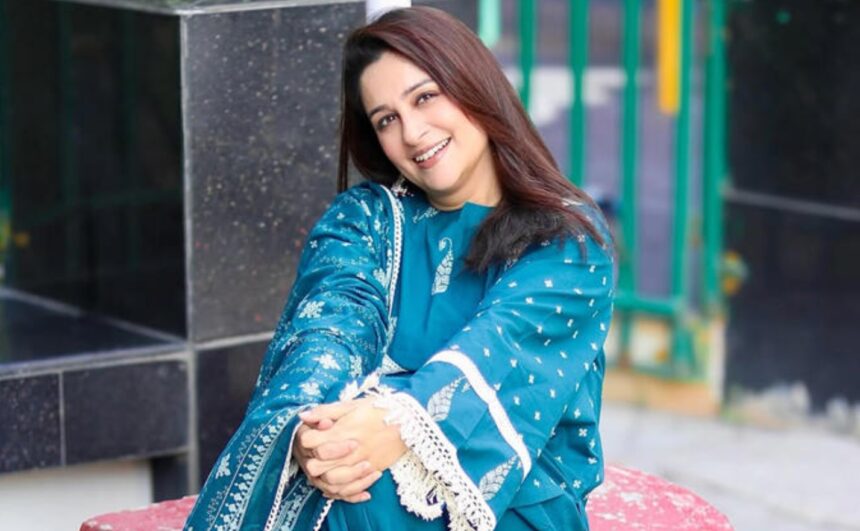
Dipika Kakar has spoken candidly about dealing with body-shaming comments after gaining weight, saying there was a period when she simply was not mentally or physically prepared to focus on losing it.
The Sasural Simar Ka actor has been sharing glimpses of her personal life with her YouTube audience, including her experience with stage 2 liver cancer, treatment, parenting and everyday life. In a recent conversation with viewers, Kakar reflected on the criticism she received about her appearance and explained why she chose not to let those comments dictate how she felt about her body.
Dipika Kakar Opens Up About Body-Shaming Comments
Kakar recalled a period when she had gained considerable weight and faced repeated remarks about her appearance in the comments section of her social media and YouTube content.
“There was a time in my life when I’d put on a lot of weight, and I’ve also tolerated a lot of body shaming in the comments section,” she said during the video.
See more of our coverage in your search results.
Add Hunterfly on GoogleThe actor explained that losing weight was not something she felt capable of prioritising at that point.
“But at that point, I wasn’t in the frame of mind to lose weight, or even in a position to do so. I used to snack a lot, and I couldn’t push myself. Whatever you’d like to call it. But I just couldn’t do it. And I was okay with it,” she added.
Kakar also emphasised that people should make choices about their bodies for themselves rather than because of pressure from others.
“As long as you are okay with your body. Be it fat, or if you want to make yourself slim or fit, please do it,” she said, adding that there is already considerable toxicity in the world and that people should not give undue importance to opinions from those who do not matter to them.
Why Body Shaming Can Affect Self-Esteem
Psychotherapist and relationship breakthrough coach Delnna Rrajesh told The Indian Express that body shaming can have consequences beyond the immediate hurt caused by a comment.
See more of our coverage in your search results.
Add Hunterfly on Google“Body shaming is rarely about the body, but about power, acceptance and belonging,” Rrajesh explained.
According to her, people naturally seek acceptance within their social groups. When appearance becomes a condition for that acceptance, repeated criticism can gradually affect a person’s confidence and perception of themselves.
“Over time, this can quietly erode confidence, self-esteem and even one’s sense of identity,” she said.
See more of our coverage in your search results.
Add Hunterfly on GoogleBody-Shaming Pressure Isn’t Limited to the Entertainment Industry
For actors and other public figures, scrutiny of appearance can be particularly visible because physical presentation is often closely associated with their profession. However, Rrajesh noted that body shaming also happens in ordinary settings.
It can occur in workplaces, schools, social circles and families, where people may be criticised for being too thin, too tall, too short, too dark, too old, too young or supposedly not attractive enough.
Such remarks are sometimes dismissed as harmless observations or framed as honesty, but repeated exposure can have a lasting emotional impact, according to the psychotherapist.
Rrajesh also stressed that body-shaming expectations are not restricted to one gender. Unrealistic beauty standards can be reinforced within communities and passed between generations.
“Sometimes the harshest standards are passed from one woman to another because unrealistic expectations have been normalised over generations,” she said.
How to Deal With Body Shaming
According to Rrajesh, building body confidence does not necessarily mean convincing yourself that you love every part of your appearance. Instead, the focus can be on developing self-respect and treating your body with dignity.
Here are some approaches she recommends:

Separate Your Self-Worth From Your Appearance
Physical characteristics are only one aspect of a person. Qualities such as kindness, resilience, character and personal values can play a much greater role in defining who someone is.
Pay Attention to Your Inner Dialogue
The way you speak about your own body can influence how you perceive yourself. Repeatedly using harsh or critical language can gradually reinforce negative beliefs.
Be Careful With Comparisons
Social media is filled with carefully selected and edited images. Comparing your everyday appearance with curated photographs can create unrealistic expectations.
Choose Supportive People
Spend more time around people who value you as a whole person rather than making your appearance a constant subject of conversation.
Seek Help When Criticism Starts Affecting Your Well-Being
If comments about your body begin affecting your confidence or mental health, professional support can help prevent those experiences from becoming central to how you see yourself.
Dipika Kakar’s Message About Body Acceptance
Kakar’s comments underline a distinction that is often lost in conversations about weight: changing your body should be a personal choice, not a response to public criticism.
Rrajesh similarly noted that when public figures discuss experiences of body shaming openly, they can make it easier for others to recognise and acknowledge similar experiences.
“These conversations help shift the focus from unrealistic beauty standards to emotional well-being and self-acceptance,” she concluded.