







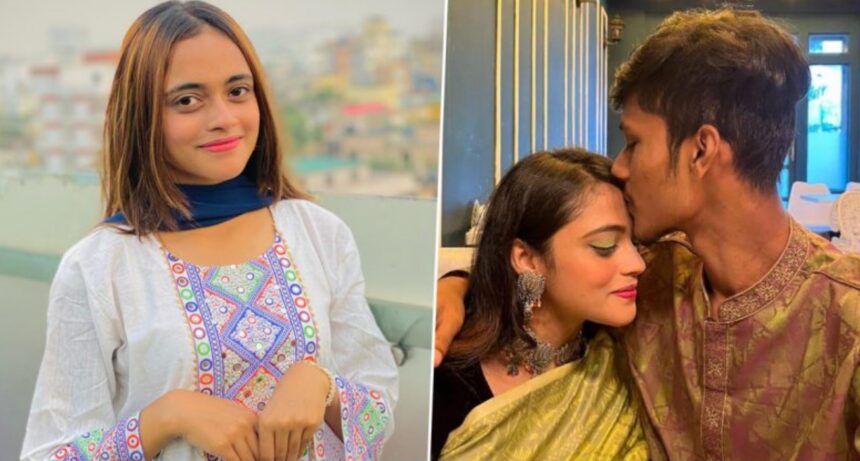
A social media controversy involving Bangladeshi YouTuber Jannat Toha has resurfaced online, with posts and videos claiming that private footage involving the influencer was circulated without her consent.
The story has generated considerable discussion across social media, but it is important to distinguish verified information from unsubstantiated claims. There is no need to reproduce, describe or link to alleged intimate footage to report on the controversy. Sharing such material can further violate a person’s privacy.
The controversy also highlights a wider problem affecting public figures and ordinary internet users alike: the circulation of alleged private images or videos without consent.
Who Is Jannat Toha?
Jannat Toha is a Bangladeshi digital creator and YouTuber who built an audience through lifestyle-oriented content.
See more of our coverage in your search results.
Add Hunterfly on GoogleShe began creating online content at a young age and became known for videos covering areas such as fashion, relationships, travel and everyday lifestyle experiences.
Her content attracted a predominantly young audience, while her presence on platforms including YouTube, Facebook and Instagram helped her develop a broader social-media following.
Over time, Toha became recognised as one of the more visible Bangladeshi lifestyle creators among audiences interested in influencer-led digital content.
What Is the Jannat Toha Viral Video Controversy?
The controversy centres on claims that an alleged private video involving Jannat Toha was circulated online.
Various social-media posts have described the material as an “MMS” or private video and have attempted to identify the people shown in it.
See more of our coverage in your search results.
Add Hunterfly on GoogleHowever, such descriptions circulating online should not automatically be treated as verified facts.
The identity of people appearing in alleged leaked footage can be difficult to establish independently, particularly when material is reposted, edited or accompanied by misleading captions.
For that reason, responsible reporting should avoid presenting unverified footage or social-media speculation as established evidence.
See more of our coverage in your search results.
Add Hunterfly on GoogleWhy the Story Spread So Quickly
The controversy gained traction because Toha already had a sizeable online following.
When alleged private material involving a well-known creator begins circulating, users often repost claims before their authenticity, source or context has been established.
The result can be a rapid cycle in which:
- An unverified claim appears online.
- Users repost it across multiple platforms.
- Search terms and names begin trending.
- Additional accounts repeat the original allegation.
- The distinction between an allegation and a confirmed fact becomes increasingly difficult to see.
This pattern can cause serious reputational and emotional harm to the person at the centre of the controversy.
Questions Over the Authenticity of the Alleged Video
One of the recurring issues in discussions surrounding the controversy has been whether the material is genuine and whether the person identified online is actually the individual shown.
Social-media users have offered conflicting claims, but online comments are not reliable evidence of authenticity.
A video being widely shared does not establish that it is genuine, nor does the number of views prove that the person featured in it has been correctly identified.
In addition, manipulated, edited or miscaptioned material can spread quickly when audiences are already familiar with the person whose name is attached to the claim.
The Bigger Issue: Consent and Digital Privacy
Regardless of the authenticity of any particular online claim, the controversy raises an important issue about digital privacy and consent.
Private photographs or videos are not made public simply because someone has obtained them or uploaded them to a social-media platform.
If intimate material is distributed without the consent of the person depicted, reposting it can compound the original privacy violation.
This is particularly important in cases involving influencers and celebrities because their public visibility can cause private allegations to spread much more rapidly.
The same principle applies whether the person involved is a public figure or a private individual.
Why ‘Viral’ Does Not Mean Verified
The phrase “viral video” can create the impression that something has been established as true.
It has not.
“Viral” describes the speed or scale of online circulation, not the authenticity of the underlying material.
In the case of the Jannat Toha controversy, readers should therefore be cautious about claims that present alleged footage, identities or circumstances as confirmed without reliable supporting evidence.
Responsible coverage should focus on what can actually be established rather than amplifying material that could potentially be false or unlawfully shared.
Social Media Reactions Add Another Layer
The controversy has reportedly produced divided reactions among people discussing Toha online.
Some users have expressed support for the creator and criticised the circulation of alleged private material. Others have repeated claims about the video’s authenticity or questioned the circumstances surrounding it.
Neither reaction should be confused with independent verification.
Social-media comments represent individual opinions. They do not establish the provenance of a video, confirm someone’s identity or prove whether a private recording was distributed with or without consent.
Lessons for Online Safety
The controversy is also a reminder that digital privacy remains a significant concern for content creators.
People who maintain public profiles may share photographs, videos and aspects of their personal lives with their audiences, but that does not mean every piece of personal information is available for unrestricted redistribution.
Users can help reduce the harm caused by alleged leaks by avoiding:
- Downloading alleged intimate material
- Reposting private videos
- Sharing links to leaked content
- Publishing personal information about people involved
- Treating unverified social-media claims as facts
- Using someone’s name to drive traffic to alleged explicit material
Instead, users who encounter suspected non-consensual intimate content can report it through the relevant platform’s reporting mechanisms.
Jannat Toha’s Public Image
Before the controversy, Toha was primarily known for her lifestyle content and online presence rather than for scandal-related coverage.
Her career illustrates how quickly the public conversation around a digital creator can change when an unverified personal allegation begins circulating.
For influencers, the consequences can extend beyond social media. Search results, reposted screenshots and archived posts can continue circulating long after the original claim has disappeared.
That makes accuracy and responsible reporting particularly important.
What We Can Confirm
At the centre of the current discussion is a set of online claims concerning alleged private footage associated with Jannat Toha.
However, the available social-media discussion does not provide sufficient grounds to independently authenticate alleged footage or establish all of the claims being circulated alongside it.
Accordingly, this report does not reproduce, embed or link to alleged intimate material.
The focus instead remains on the public controversy and the broader privacy implications of the circulation of unverified personal content.
The Importance of Responsible Reporting
Stories involving alleged private videos require a different editorial approach from ordinary celebrity news.
Traffic-driven headlines can unintentionally turn a person’s potential privacy violation into another source of exposure.
A high-quality news report should therefore avoid sensational descriptions, unnecessary details and links that facilitate access to potentially non-consensual material.
It should also clearly separate confirmed information from allegations and social-media speculation.
That distinction is particularly important when the material could be fake, manipulated, misidentified or shared without permission.
What Happens Next?
The controversy surrounding Jannat Toha demonstrates how quickly allegations involving digital creators can spread across platforms.
Unless credible, independently verifiable information becomes available, claims about the identity, authenticity or circumstances surrounding alleged private footage should remain treated as unverified.
For readers, the safest approach is not to search for or redistribute the alleged material.
For publishers, the responsible approach is to report the public-interest aspects of the story without contributing to the further circulation of potentially private content.