






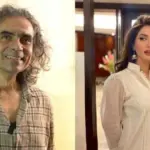


As digital creators continue to cross over into mainstream cinema, Bollywood’s casting ecosystem has come under renewed scrutiny. One persistent narrative claims that Instagram followers now outweigh acting talent, turning casting decisions into a numbers game rather than a merit-based process. Actor and content creator Prajakta Koli is now pushing back against that assumption—with nuance, not denial.
Prajakta’s journey—from YouTube sensation to recognised screen actor—has often been cited as evidence that social media has democratised access to the entertainment industry. She made her acting debut with Netflix’s Mismatched, followed by a role in Jugjugg Jeeyo, and was most recently seen in the web series Single Papa. Yet, despite her digital popularity, she insists that visibility alone has never guaranteed her work.
“Honestly, if projects were handed out purely on the basis of follower count, I would’ve cracked every audition I’ve given,” Prajakta says. “And I’ve given a lot of auditions over the last six years.”
Her statement directly addresses a growing resentment within the industry—particularly among trained actors—who feel sidelined by algorithm-driven casting choices. Prajakta, however, emphasises the commercial reality of filmmaking. “This is a business. There are many people involved, and huge amounts of money are at stake. No producer can afford to invest crores of rupees in someone who isn’t right for the role just because they have followers.”
See more of our coverage in your search results.
Add Hunterfly on GoogleShe also rejects the idea that influencer-actors bypass traditional preparation. “Every project I’ve been a part of has required rigorous auditions, workshops, and preparation,” she explains, underscoring that the process remains demanding regardless of one’s online reach.
Importantly, Prajakta does not dismiss the lived experiences of those who feel affected by the shift. “I can’t sit here and make a blanket statement saying it’s all untrue. For those who’ve experienced being cast or rejected because of numbers, that reality is real for them. And you can’t take that away from their lived experience.”
Her perspective reflects a broader truth about today’s entertainment industry: while social media may open doors, it does not replace skill, consistency, or suitability for a role. Casting, she suggests, is evolving—but not abandoning merit altogether.
In an era where digital fame and traditional craft increasingly intersect, Prajakta Koli’s remarks offer a grounded, insider view—one that acknowledges industry pressures while reaffirming that sustained success still demands more than just a following.