








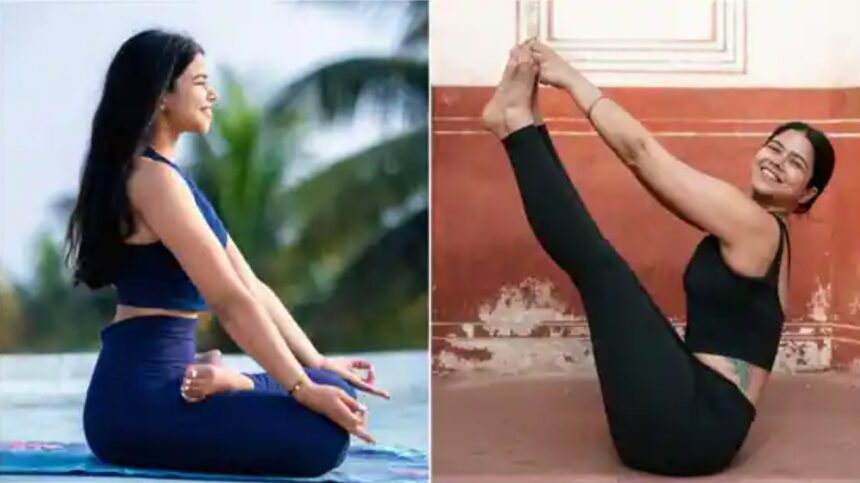
With work-from-home routines, endless screen time, and increasingly sedentary lifestyles, especially among Gen Z, movement has quietly taken a back seat. In an exclusive interview with HT Lifestyle, Sonakshi Dhamija, authorized Ashtanga yoga teacher and founder of The Shala Delhi, explains why yoga is no longer optional but essential, how beginners can start without pressure, and why true wellness goes far beyond weight loss and Instagram-perfect poses.
Why Yoga Is Essential in Today’s World
“Yoga is absolutely essential, especially because people are sitting so much these days,” says Dhamija. “Human bodies were not meant to just sit and work on computers. Our bodies require movement; they demand it. Ignoring this leads to physical and mental problems.”
She highlights that while young people may not yet feel physical discomfort, stagnation in the body affects the mind. “Yoga moves your body and has a profound effect on your mind. It influences your thought process, mood, joy, and connection to yourself. Everything is interrelated.”
Simple Guidance for Beginners
For beginners, Dhamija recommends focusing on three fundamentals: sleep, nutrition, and movement. “If these are sorted, you’re mostly sorted. Everything else is noise,” she says.
See more of our coverage in your search results.
Add Hunterfly on GoogleHer advice for newcomers: start small and sustainable. “Don’t set lofty goals like losing five kilos in a month. Lifestyle goals work best—like deciding, ‘I will start doing yoga twice a week.’ Even small steps like walking, drinking water, or playing with your dog count as activity.”
Dhamija warns against social media gimmicks promising quick fixes. “True well-being is about feeling good, walking without fatigue, regulating emotions, and sleeping well. Weight loss or muscle tone is just a byproduct, not the goal.”
Quick Yoga Routines for Busy Schedules
Even 15–20 minutes a day can be effective. Dhamija suggests:
- Walking: Simple, underrated, and effective for both body and mind. Avoid screens for full benefits.
- Seated twists & shoulder rotations: Decompress the spine and relieve tension from sitting.
- Inversion or hanging poses: Gravity helps decompress and reset the spine naturally.
- Bhramari Pranayama: Close your eyes, cover your ears with your thumbs, inhale deeply, and exhale with a humming sound. Just 2–5 minutes calms the mind and reduces stress.
Common Beginner Mistakes
The most frequent error is unrealistic expectations. “Habits take time. Consistency over six months is key. Improvements in fitness, mood, and overall well-being often appear gradually,” she notes.
Yoga also supports posture correction, teaches core engagement, and helps reduce strain in shoulders and eyes from prolonged screen time.
See more of our coverage in your search results.
Add Hunterfly on GoogleMaking Yoga a Sustainable Habit
Dhamija emphasizes consistency over intensity. “Even 30 minutes a day counts. Check your screen time and reallocate it to yourself. Small, consistent steps build habits that last.”
She encourages beginners to treat yoga as a lifestyle rather than a performance. “Anybody can do yoga—old, young, sick. Only laziness prevents you. The first step is simply showing up.”
The Takeaway
For Gen Z and desk-bound professionals, yoga is more than a workout; it is a tool for mental clarity, emotional balance, and sustainable physical health. By starting small, prioritizing consistency, and focusing on the lifestyle benefits, anyone can integrate yoga into their daily routine and experience profound, lasting wellness.
See more of our coverage in your search results.
Add Hunterfly on GoogleNote: This article is for informational purposes only and is not a substitute for professional medical advice. Consult your healthcare provider before starting any new fitness or wellness program.