




For years, audiences celebrated complicated male protagonists while expecting female characters to be endlessly patient, understanding and accommodating. Women who expressed ambition, defended their boundaries or prioritized personal fulfillment often received labels such as “selfish,” “cold,” or “difficult.”
That conversation has shifted dramatically.
As streaming platforms introduce classic films and television series to younger viewers, many stories are being viewed through a different cultural lens. Characters who were once criticized are now being recognized as realistic portrayals of women navigating careers, relationships and identity on their own terms.
Rather than asking whether these women were “likable,” many viewers are asking a different question:
See more of our coverage in your search results.
Add Hunterfly on GoogleWere they actually wrong?
In many cases, the answer is more complicated than popular opinion once suggested.
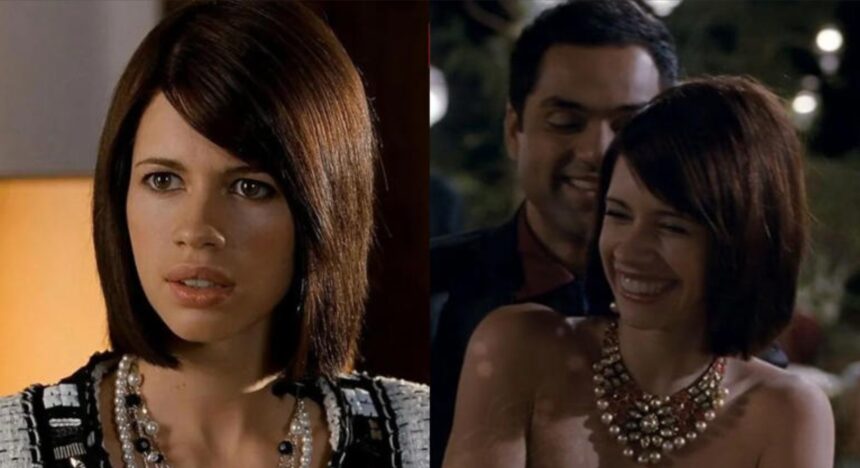
Natasha Arora (Zindagi Na Milegi Dobara)
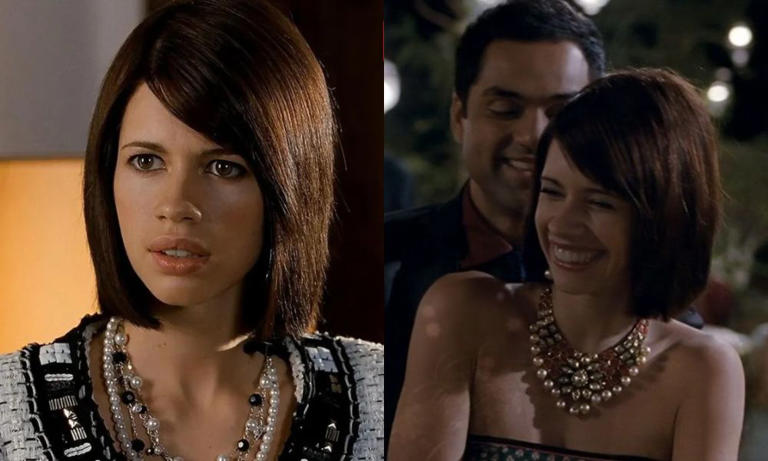
Natasha Arora spent years carrying an unfair reputation among audiences.
She was often remembered as controlling simply because she expected commitment from the man she was about to marry. Wedding planning, organization and wanting clarity in a relationship became traits viewers interpreted negatively, even though they reflected genuine investment in her future.
Looking back, Natasha’s frustration feels understandable.
See more of our coverage in your search results.
Add Hunterfly on GoogleShe wasn’t trying to control someone’s life—she was preparing for a wedding while her fiancé struggled with doubts he never fully communicated.
Modern audiences increasingly recognize that expecting honesty from a partner is not unreasonable. Natasha’s calm response to betrayal demonstrates emotional maturity rather than possessiveness.
Veronica (Cocktail)
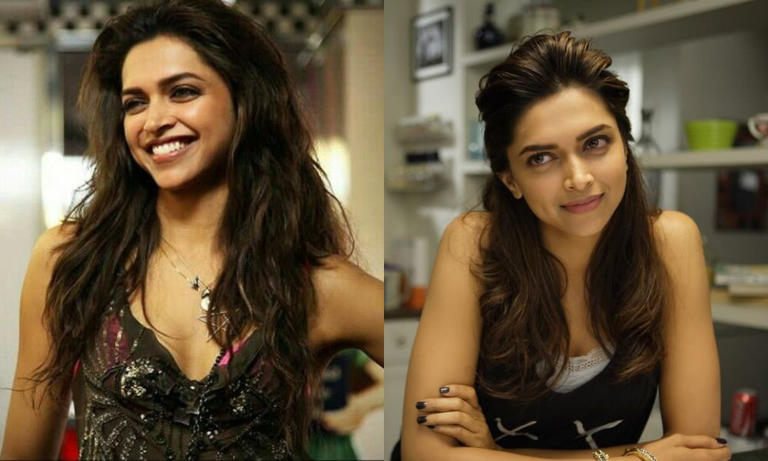
When Cocktail released, Veronica represented a woman who embraced independence without apology.
See more of our coverage in your search results.
Add Hunterfly on GoogleShe enjoyed nightlife, valued freedom and refused to fit into conventional expectations of femininity. Yet the narrative frequently contrasted her with Meera, subtly encouraging audiences to view Veronica as unsuitable for lasting love.
Over time, that perception has changed dramatically.
Many viewers now see Veronica as one of Bollywood’s most memorable modern female characters because she lived authentically instead of changing herself to earn approval.
Her confidence, once criticized, has become one of the qualities fans admire most.
Robin Scherbatsky (How I Met Your Mother)
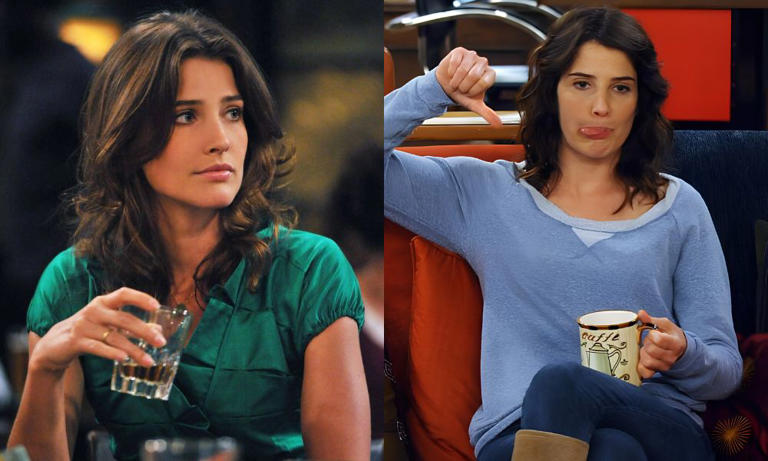
Robin never hid what she wanted from life.
She openly stated that marriage and motherhood were not among her priorities, choosing instead to focus on journalism and international reporting.
Despite her honesty, she was frequently blamed whenever relationships failed to align with other people’s expectations.
Today’s audiences appreciate Robin’s consistency.
She never misled anyone about her goals. Instead, she remained true to herself even when doing so made her unpopular within the story.
Her character has become an example of the importance of setting personal boundaries rather than sacrificing one’s identity for romance.
Sonia Roy (Aitraaz)
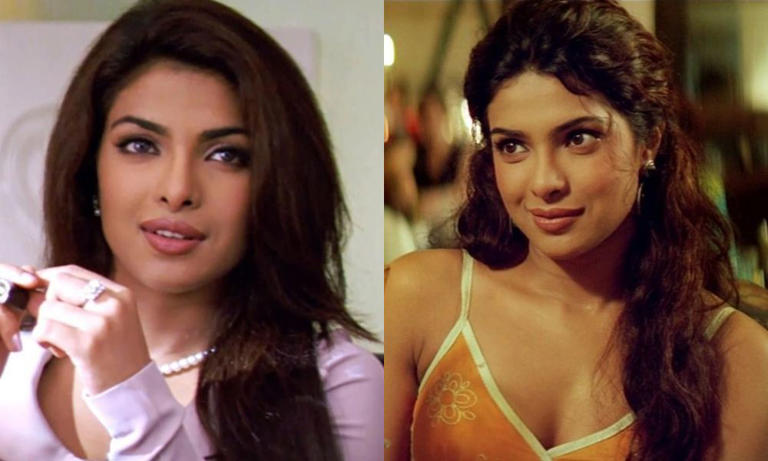
Unlike several others on this list, Sonia Roy is unquestionably portrayed as the antagonist.
Her manipulation and abuse of authority cannot be defended.
However, discussions surrounding her character often extended criticism beyond her unethical actions to include her ambition, professional success and refusal to conform to traditional expectations of womanhood.
Those qualities themselves were never immoral.
Separating legitimate criticism of harmful behavior from outdated assumptions about ambitious women creates a more balanced understanding of the character today.
Rachel Green (Friends)
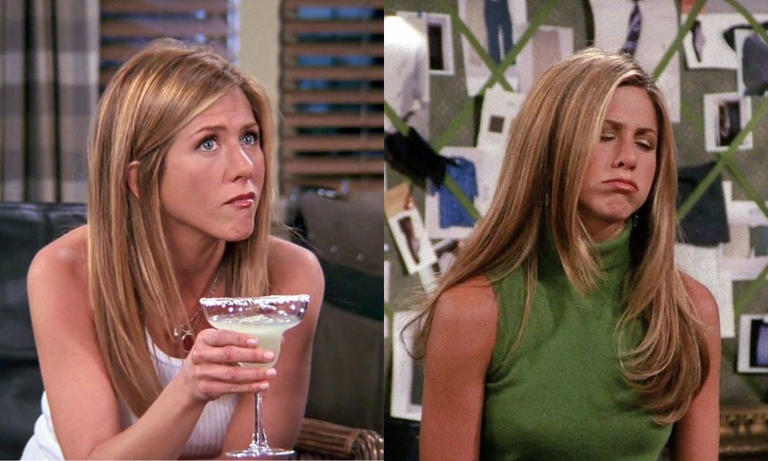
Rachel Green’s journey remains one of television’s strongest career transformations.
She evolved from someone dependent on family privilege into a successful fashion executive through years of determination and professional growth.
Yet relationship debates often overshadowed those accomplishments.
Her decision to pursue opportunities abroad sparked criticism despite representing the kind of career advancement many professionals aspire to achieve.
Rewatching the series today, many fans appreciate Rachel not simply as a romantic lead but as someone determined to build an independent future.
Skyler White (Breaking Bad)
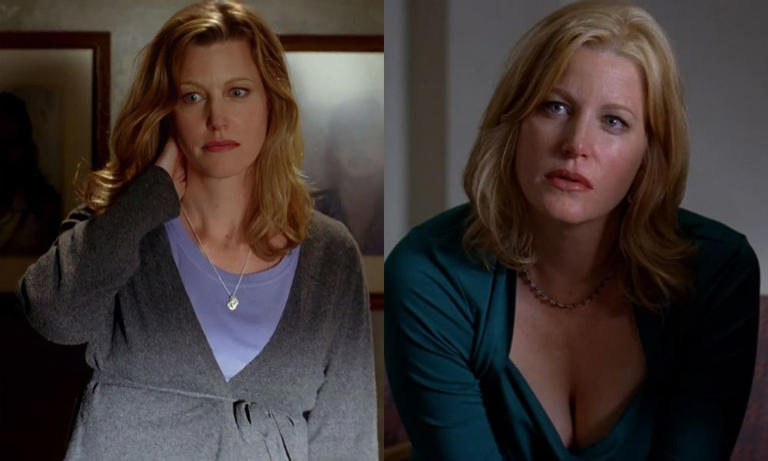
Few television characters have experienced the level of backlash directed toward Skyler White.
While audiences became fascinated by Walter White’s transformation into a criminal mastermind, Skyler questioned increasingly dangerous decisions that threatened her family’s safety.
Her skepticism often frustrated viewers who identified with Walter’s perspective.
Years later, critical discussion has shifted.
Many now acknowledge that Skyler responded as someone confronting deception, financial uncertainty and criminal activity within her own household.
Her concerns reflected reality rather than obstruction.
Rani Mehra (Queen)
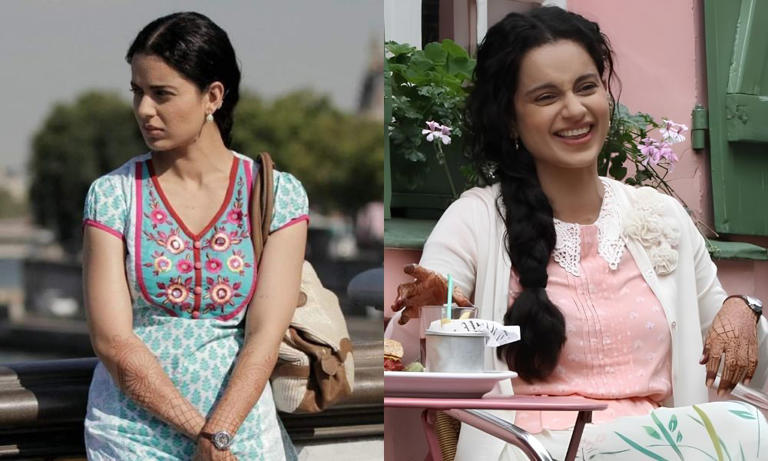
Rani’s story is ultimately about personal growth.
After her wedding is unexpectedly cancelled, she embarks on a solo journey that gradually transforms her confidence and understanding of herself.
Instead of waiting for validation from the man who rejected her, she discovers independence through new friendships, unfamiliar experiences and personal resilience.
Her final decision symbolizes choosing self-respect over returning to a relationship that no longer reflects who she has become.
The film continues to resonate because its message remains timeless: personal happiness should never depend entirely on another person’s approval.
Maya Talwar (Kabhi Alvida Naa Kehna)
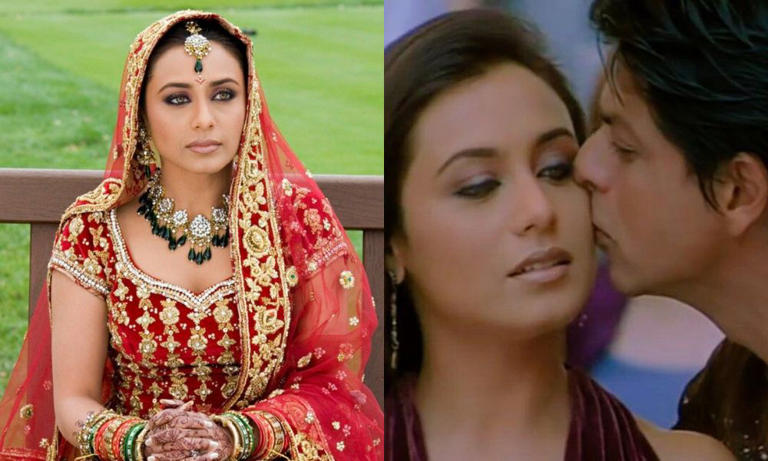
Maya Talwar remains one of Bollywood’s most debated characters.
She finds herself emotionally disconnected within her marriage and forms a bond with someone facing similar struggles.
While the film explores infidelity, many discussions historically placed greater blame on Maya than on her male counterpart despite both making similar choices.
Modern conversations tend to examine emotional incompatibility and relationship dissatisfaction with greater nuance.
Rather than reducing Maya to a villain, many viewers now see her as someone navigating difficult emotional circumstances with imperfect decisions.
Why These Characters Continue to Matter
Entertainment reflects the values of its era, but audiences are not obligated to keep interpreting stories exactly as previous generations did.
Revisiting older films and television series often reveals how differently male and female characters were judged for similar behaviors.
Ambition was called arrogance.
Boundaries became selfishness.
Confidence was mistaken for coldness.
Career goals were viewed as obstacles to romance.
Today’s viewers are increasingly willing to challenge those assumptions.
That doesn’t mean every controversial female character was flawless. Instead, it reflects a broader willingness to evaluate women with the same complexity long afforded to male protagonists.
As conversations around representation continue to evolve, these characters stand as reminders that strength, independence and honesty were never personality flaws—they were simply qualities audiences were not always prepared to celebrate.