




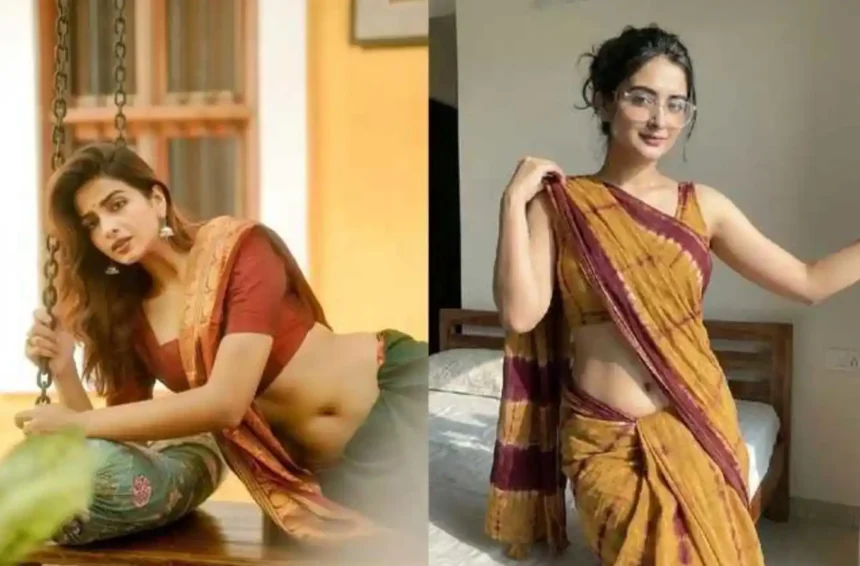
The saree is more than just a garment—it is a symbol of India’s rich cultural heritage, artistry and timeless elegance. For centuries, women across the country have embraced the saree as a versatile outfit suitable for festivals, weddings, professional settings and everyday wear.
What makes Indian sarees truly remarkable is their diversity. Every region has developed unique weaving techniques, fabrics, motifs and craftsmanship traditions that have been passed down through generations.
Whether you’re a fashion enthusiast, a saree collector or someone exploring Indian ethnic wear for the first time, these 20 saree styles offer a glimpse into the country’s extraordinary textile legacy.
1. Banarasi Saree
Originating from Varanasi, Uttar Pradesh, the Banarasi saree is celebrated for its luxurious silk fabric and intricate zari work.
See more of our coverage in your search results.
Add Hunterfly on GoogleKey Features:
- Rich silk texture
- Gold and silver brocade work
- Floral and Mughal-inspired motifs
- Popular bridal choice
Banarasi sarees remain among the most sought-after wedding sarees in India.
2. Kanjeevaram Saree
The Kanjeevaram saree from Tamil Nadu is renowned for its durability, vibrant colors and temple-inspired designs.
Key Features:
- Pure mulberry silk
- Contrasting borders
- Traditional South Indian motifs
- Widely worn during weddings and festivals
These sarees are often considered heirloom pieces.
3. Chiffon Saree
Known for their lightweight and flowing appearance, chiffon sarees have become a staple in contemporary fashion.
Best For:
- Parties
- Evening events
- Summer occasions
Their soft drape creates an effortlessly elegant look.
See more of our coverage in your search results.
Add Hunterfly on Google4. Georgette Saree
Georgette sarees offer a balance between comfort and style.
Features:
- Slightly textured fabric
- Easy to drape
- Suitable for modern silhouettes
- Available in printed and embellished designs
They remain one of the most popular saree choices for younger generations.
5. Cotton Saree
Cotton sarees are valued for their comfort, breathability and versatility.
See more of our coverage in your search results.
Add Hunterfly on GooglePopular In:
- Daily wear
- Office wear
- Warm climates
Indian states such as West Bengal, Andhra Pradesh and Tamil Nadu produce renowned cotton sarees.
6. Linen Saree
Linen sarees have gained popularity among women seeking understated sophistication.
Why Women Love Them:
- Natural texture
- Elegant drape
- Minimalist aesthetic
- Suitable for professional settings
They are often preferred for contemporary and sustainable fashion.
7. Bandhani Saree
Bandhani sarees originate primarily from Gujarat and Rajasthan.
Distinctive Features:
- Traditional tie-dye technique
- Bright colors
- Intricate dotted patterns
- Festive appeal
Bandhani remains one of India’s oldest textile art forms.
8. Chanderi Saree
Produced in Madhya Pradesh, Chanderi sarees combine luxury and comfort.
Characteristics:
- Silk-cotton blend
- Lightweight feel
- Delicate motifs
- Subtle sheen
These sarees are ideal for elegant daytime occasions.
9. Paithani Saree
The Paithani saree is Maharashtra’s most celebrated traditional weave.
Famous For:
- Peacock motifs
- Lotus-inspired designs
- Rich silk fabric
- Handwoven artistry
Authentic Paithani sarees often take months to complete.
10. Patola Saree
Patola sarees from Gujarat are globally recognized for their intricate weaving.
Key Features:
- Double ikat technique
- Geometric patterns
- Vibrant colors
- Exceptional craftsmanship
They are considered among India’s most technically complex sarees.
11. Organza Saree
Organza sarees have emerged as a leading fashion trend in recent years.
Why They’re Popular:
- Lightweight fabric
- Sheer appearance
- Elegant structure
- Contemporary styling options
They offer a blend of traditional grace and modern fashion.
12. Satin Saree
Satin sarees are known for their luxurious shine and smooth texture.
Perfect For:
- Evening events
- Cocktail parties
- Formal celebrations
Their glossy finish creates a glamorous appearance.
13. Net Saree
Net sarees have become popular for modern party wear.
Features:
- Transparent fabric
- Embroidery detailing
- Contemporary designs
- Red-carpet-inspired styling
They are frequently seen in celebrity fashion.
14. Tussar Silk Saree
Also known as wild silk, Tussar silk is appreciated for its natural beauty.
Distinctive Qualities:
- Earthy texture
- Natural golden sheen
- Lightweight feel
- Traditional craftsmanship
Tussar silk is particularly popular in eastern India.
15. Mysore Silk Saree
Originating from Karnataka, Mysore silk sarees are synonymous with elegance.
Known For:
- Smooth finish
- High-quality silk
- Minimalistic designs
- Timeless appeal
Their simplicity makes them suitable for multiple occasions.
16. Kalamkari Saree
Kalamkari is an ancient textile art form involving hand painting or block printing.
Themes Often Include:
- Mythological stories
- Floral patterns
- Nature-inspired artwork
- Traditional Indian motifs
Each saree reflects remarkable artistic detail.
17. Leheriya Saree
Leheriya sarees are another iconic textile tradition from Rajasthan.
Features:
- Wave-like tie-dye patterns
- Bright festive colors
- Lightweight fabric
- Distinct regional identity
These sarees are especially popular during monsoon and festive seasons.
18. Kota Doria Saree
Produced in Rajasthan, Kota Doria sarees are admired for their airy texture.
Highlights:
- Cotton-silk blend
- Checkered weave pattern
- Lightweight construction
- Comfortable summer wear
Their delicate craftsmanship makes them highly desirable.
19. Pochampally Saree
Pochampally sarees originate from Telangana and are known for their striking ikat designs.
Key Features:
- Geometric patterns
- Vibrant colors
- Traditional weaving methods
- Distinctive visual appeal
These sarees have earned recognition both in India and internationally.
20. Designer Saree
Designer sarees represent the fusion of traditional craftsmanship and modern fashion.
Popular Elements:
- Sequins
- Embroidery
- Contemporary draping styles
- Innovative fabrics
They are commonly worn at weddings, receptions and high-profile events.
Why Sarees Continue to Remain Timeless
The saree has successfully adapted to changing fashion trends while retaining its cultural significance.
Modern designers continue to reinterpret traditional weaves, introducing innovative styling techniques that appeal to younger generations while preserving heritage craftsmanship.
From minimalist office wear to elaborate bridal ensembles, sarees offer unmatched versatility and elegance.
Final Thoughts
India’s textile traditions are among the richest in the world, and sarees remain one of the finest expressions of that heritage.
Whether it is the regal beauty of a Banarasi, the intricate artistry of a Patola, the vibrant colors of a Bandhani or the contemporary appeal of an Organza saree, each style reflects centuries of craftsmanship and cultural identity.
Exploring different types of sarees not only enhances personal style but also celebrates the remarkable artistry of India’s weaving communities.