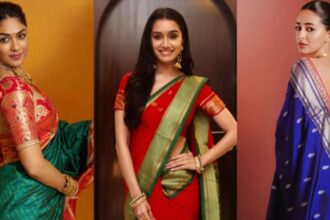









In recent years, sustainable fashion has moved from a niche concept to a mainstream movement, and one of the latest innovations attracting attention is the milk saree. The name itself often sparks curiosity. Is it really made from milk? How does it work? And why are fashion-conscious consumers increasingly choosing it over traditional fabrics?
Here’s everything you need to know about milk sarees and why they are becoming a popular choice in the textile industry.
What Exactly Is a Milk Saree?
Despite its unusual name, a milk saree is not made from liquid milk. Instead, it is produced using milk protein fiber, which is derived from casein, one of the primary proteins naturally found in milk.
The process typically utilizes surplus or waste milk that is unsuitable for consumption. The extracted casein is transformed into a regenerated protein fiber through a specialized manufacturing process. This fiber is then blended with materials such as silk, cotton, or viscose to create a soft, wearable fabric.
See more of our coverage in your search results.
Add Hunterfly on GoogleThe result is an eco-friendly textile that combines comfort, elegance, and sustainability.
Why Is It Called a Milk Saree?
The term “milk saree” comes directly from the source of the fiber used in its production. Since the fabric contains fibers derived from milk protein, the finished garment is commonly referred to as a milk saree.
While the fabric may resemble silk or other premium materials, its unique composition sets it apart in the growing sustainable fashion segment.
Why Are Milk Sarees Becoming Popular?
1. Soft and Smooth Texture
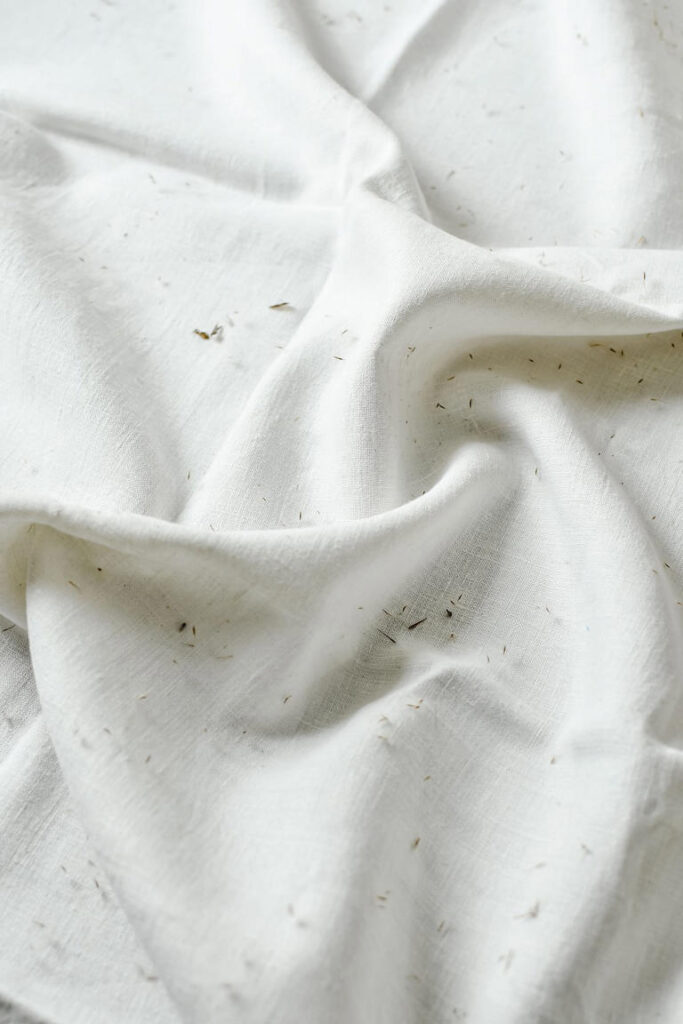
One of the biggest attractions of milk fabric is its luxurious feel. The material is exceptionally soft against the skin, making it comfortable for long hours of wear.
2. Lightweight and Breathable
Milk sarees are known for being lightweight, which makes them particularly suitable for India’s warm and humid climate. The breathable nature of the fabric helps maintain comfort throughout the day.
See more of our coverage in your search results.
Add Hunterfly on Google3. Elegant Drape
The fabric falls naturally and creates a sleek, graceful silhouette. Many wearers appreciate how easily it adapts to different draping styles while maintaining a polished appearance.
4. Subtle Natural Sheen
Milk fabric often features a gentle shine that resembles the elegance of silk. This gives the saree a premium look without necessarily carrying the higher price tag associated with traditional silk garments.
5. Sustainable Fashion Choice
As sustainability becomes a key consideration for consumers, milk sarees stand out because they utilize milk proteins that might otherwise go to waste. This helps reduce resource wastage while promoting environmentally conscious textile production.
See more of our coverage in your search results.
Add Hunterfly on GoogleAre Milk Sarees Eco-Friendly?
Milk fiber is widely regarded as a sustainable textile innovation because it repurposes milk that cannot be consumed or sold. Compared to some synthetic fabrics, the production process can have a lower environmental impact when managed responsibly.
As fashion brands increasingly focus on circular economy principles and sustainable manufacturing, milk-based textiles are gaining recognition as an eco-conscious alternative.
How to Maintain a Milk Saree
Proper care helps preserve the fabric’s softness, appearance, and durability.
Follow These Care Tips:
- Use a mild or fabric-protective detergent.
- Prefer gentle hand washing whenever possible.
- If machine washing, select a delicate or low-spin cycle.
- Avoid harsh chemicals and strong bleaching agents.
- Dry the saree in a shaded area rather than direct sunlight to prevent color fading.
- Use low-temperature settings while ironing.
- Store the saree in a cool, dry place.
With proper maintenance, milk sarees can retain their texture and appearance for years.
Who Should Consider Buying a Milk Saree?
Milk sarees are suitable for:
- Office and professional wear
- Casual gatherings
- Festive occasions
- Sustainable fashion enthusiasts
- People seeking lightweight alternatives to heavy silk sarees
Their combination of comfort, elegance, and environmental benefits makes them versatile for both everyday and special occasions.

The Future of Sustainable Sarees
As consumers become more aware of sustainable fashion choices, innovative fabrics such as milk fiber are expected to gain wider acceptance. Milk sarees represent how science and textile design can work together to create environmentally responsible alternatives without compromising style.
For those looking to add something unique, comfortable, and eco-friendly to their wardrobe, milk sarees offer a modern twist on traditional Indian fashion.