







Fashion has always been more than clothing. It reflects culture, challenges social norms, and often serves as a platform for artistic expression. Yet the industry’s willingness to push boundaries has occasionally led to major controversies that generated worldwide criticism and debate.
From advertising campaigns accused of cultural insensitivity to runway presentations criticized for offensive imagery, several moments have left a lasting impact on the fashion world. These incidents not only sparked public outrage but also forced brands to reconsider how creativity intersects with social responsibility.
When Fashion Crosses Cultural Boundaries
One of the most recurring issues in fashion has been cultural appropriation. Over the years, major brands and designers have faced criticism for borrowing elements from cultures without proper understanding, acknowledgment, or respect.
Traditional hairstyles, indigenous patterns, religious symbols, and cultural garments have often appeared on runways without meaningful representation of the communities from which they originated. These controversies fueled broader conversations about diversity, inclusion, and accountability within luxury fashion.
See more of our coverage in your search results.
Add Hunterfly on GoogleIndustry observers note that such incidents have encouraged brands to engage more closely with cultural consultants and diverse creative teams before launching collections.
Advertising Campaigns That Triggered Backlash
Fashion advertising has frequently found itself at the center of controversy. Several campaigns intended to be provocative or artistic were criticized for insensitive themes, stereotyping, or inappropriate imagery.
In multiple instances, public reaction was swift, with consumers taking to social media to demand explanations and apologies. The growing influence of digital platforms has significantly increased public scrutiny, making brands more accountable than ever before.
Many fashion houses have since adopted stricter review processes to evaluate campaigns before publication.
The Debate Over Unrealistic Beauty Standards
For decades, fashion faced criticism for promoting narrow definitions of beauty. Extremely thin models, limited representation, and unrealistic body expectations became major concerns among consumers and advocacy groups.
See more of our coverage in your search results.
Add Hunterfly on GoogleThe debate intensified as research highlighted the psychological impact such portrayals could have on young audiences. In response, many brands gradually embraced more inclusive casting practices, featuring models of different body types, ages, and backgrounds.
While progress continues, discussions surrounding representation remain an important topic within the industry.
Runway Shows That Shocked Audiences
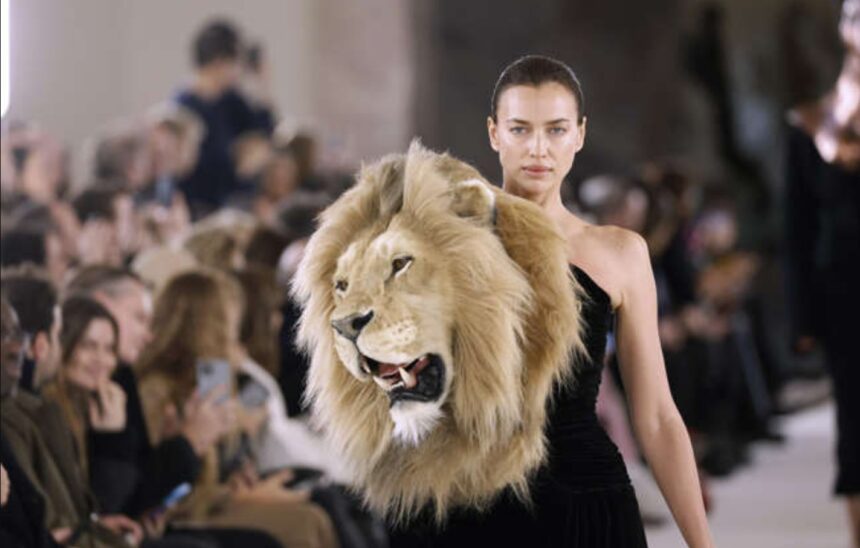
Fashion shows are designed to capture attention, but some runway presentations generated controversy for reasons beyond creativity.
See more of our coverage in your search results.
Add Hunterfly on GoogleCertain collections were accused of trivializing serious social issues, while others drew criticism for using imagery that many considered offensive or insensitive. These incidents often sparked international media coverage and raised questions about the limits of artistic freedom.
As audiences become increasingly aware of social and cultural issues, designers face growing expectations to balance innovation with responsibility.
Labor and Ethical Manufacturing Concerns
Beyond aesthetics and marketing, fashion has also faced scrutiny over labor practices and supply chain transparency.
Concerns regarding factory conditions, worker wages, and environmental sustainability have prompted consumers to demand greater accountability from brands. High-profile investigations and reports over the years have encouraged many companies to publish sustainability goals and improve sourcing practices.
Today, ethical production has become a key factor influencing consumer purchasing decisions.
The Rise of Accountability in Fashion
The modern fashion landscape operates under unprecedented public observation. Social media platforms have empowered consumers to voice concerns instantly, making transparency and accountability critical components of brand reputation.
Fashion companies now face greater pressure to consider the cultural, social, and ethical implications of their creative decisions. While controversy remains an inevitable part of an industry built on innovation and disruption, many brands have become more proactive in addressing criticism and implementing meaningful change.
Why These Moments Still Matter
The most controversial moments in fashion history serve as important reminders of the industry’s influence on culture and society. Each debate has contributed to broader discussions about representation, ethics, creativity, and responsibility.
As fashion continues to evolve, these lessons remain relevant for designers, brands, and consumers alike. Understanding past controversies helps shape a more thoughtful and inclusive future for an industry that reaches audiences around the world.
Source Attribution: Analysis and editorial compilation by Bext Fashion Desk based on publicly documented fashion industry events and historical reporting.