








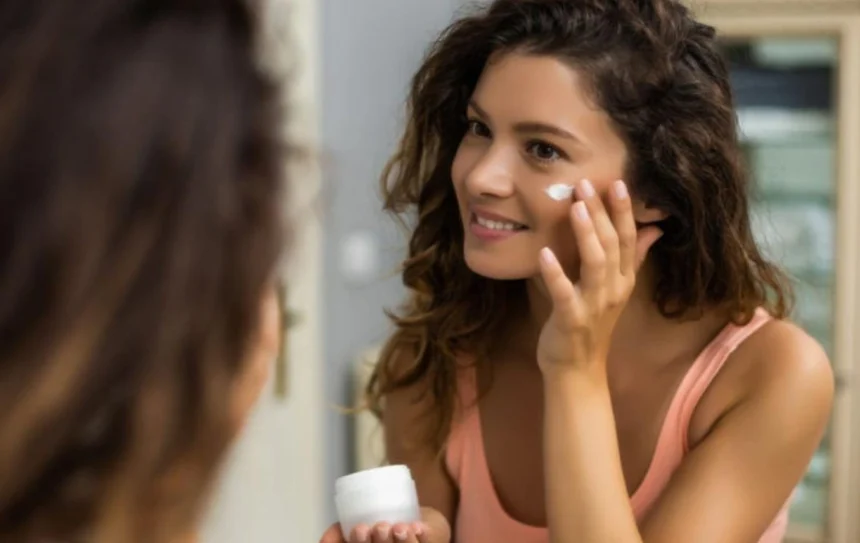
For years, elaborate 10-step skincare routines dominated beauty conversations, fueled by social media trends, influencer recommendations and a constant stream of new products. Today, however, a growing number of dermatologists are encouraging a different approach—skinimalism.
The concept centers on using fewer, carefully selected skincare products rather than layering multiple active ingredients. According to skincare experts, this shift reflects a growing concern about damaged skin barriers and irritation caused by overly complicated routines.
What Is Skinimalism?
Skinimalism is a skincare philosophy that prioritizes simplicity, consistency and science-backed products.
Instead of following lengthy regimens filled with multiple serums, acids and treatments, skinimalism encourages individuals to focus on the essentials:
See more of our coverage in your search results.
Add Hunterfly on Google- Gentle cleansing
- Hydration
- Sun protection
- Targeted treatment when necessary
The goal is not to achieve “perfect” skin but to support healthy, resilient skin over the long term.
Why Dermatologists Are Concerned About Overuse of Products
According to dermatologist Dr. Nirupama Parwanda, Founder of Zolie Skin Clinic, dermatology clinics are increasingly seeing patients with skin barrier damage linked to excessive product use.
The popularity of social media skincare trends has encouraged many consumers to combine powerful ingredients such as:
- Retinoids
- Vitamin C
- Exfoliating acids
- Peptides
- Brightening agents
- Anti-aging actives
While these ingredients can offer benefits individually, using too many at once may overwhelm the skin.
Experts warn that layering incompatible or highly active products without professional guidance can lead to irritation rather than improvement.
See more of our coverage in your search results.
Add Hunterfly on GoogleUnderstanding the Skin Barrier
One of the key reasons behind the rise of skinimalism is the growing focus on skin barrier health.
The skin barrier is the outermost protective layer of the skin and plays a vital role in maintaining overall skin function.
Functions of the Skin Barrier
The barrier helps:
See more of our coverage in your search results.
Add Hunterfly on Google- Retain moisture
- Prevent excessive water loss
- Protect against pollutants
- Defend against bacteria and allergens
- Reduce environmental damage
When functioning properly, the skin barrier helps keep skin comfortable, hydrated and resilient.
Signs of a Damaged Skin Barrier
Experts say over-exfoliation and excessive product use can weaken the skin’s natural defenses.
Common symptoms may include:
- Dryness
- Redness
- Burning sensations
- Increased sensitivity
- Itching
- Flaking
- Acne flare-ups
A compromised barrier may also worsen certain skin conditions, including:
- Rosacea
- Eczema
- Contact dermatitis
Ironically, many people respond to these issues by adding more products, which can further aggravate the problem.
Why Less Can Be More
The core principle of skinimalism is that effective skincare does not require a large number of products.
For many individuals, dermatologists recommend focusing on a few essentials:
1. Gentle Cleanser
Removes dirt, oil and impurities without stripping the skin.
2. Barrier-Supporting Moisturizer
Helps maintain hydration and support the skin’s protective function.
3. Broad-Spectrum Sunscreen
Protects against ultraviolet damage and premature skin aging.
4. One Targeted Active Ingredient
Used only when needed to address specific concerns such as acne, pigmentation or fine lines.
This simplified approach can make routines easier to follow and reduce the risk of irritation.
Social Media and the Skincare Trend Cycle
The skincare industry has experienced a surge in product recommendations driven by social media platforms.
Many consumers feel pressure to try:
- Trending ingredients
- Viral products
- Multi-step routines
- Frequent product launches
While educational content has improved skincare awareness, dermatologists caution that not every trend is suitable for every skin type.
What works for one person may not work for another, especially when factors such as skin sensitivity, age, climate and underlying conditions are involved.
Healthy Skin vs. Perfect Skin
One of the most important messages behind skinimalism is the shift away from unrealistic beauty standards.
Experts increasingly emphasize that skin naturally has:
- Texture
- Pores
- Occasional blemishes
- Variations in tone
The objective is not perfection but overall skin health.
A strong skin barrier often contributes more to long-term skin appearance than constantly chasing new treatments.
Lifestyle Habits Matter Too
Dermatologists also stress that skincare products are only one part of the equation.
Healthy skin is influenced by broader lifestyle choices, including:
Daily Sun Protection
Consistent sunscreen use remains one of the most effective anti-aging measures.
Quality Sleep
Sleep supports skin recovery and repair processes.
Proper Hydration
Adequate fluid intake supports overall body function and skin health.
Balanced Nutrition
A nutrient-rich diet can contribute to healthy skin from within.
Stress Management
Chronic stress can affect skin conditions and inflammation levels.
Why Skinimalism Is Gaining Popularity
Several factors are contributing to the movement:
- Growing awareness of skin barrier health
- Consumer fatigue with complicated routines
- Increased focus on evidence-based skincare
- Desire for sustainable beauty practices
- Cost savings from buying fewer products
Many consumers are finding that simpler routines are not only easier to maintain but also more effective for their individual needs.
The Future of Skincare
As dermatologists continue to emphasize skin barrier protection, skinimalism appears poised to remain an important trend in modern beauty.
Rather than encouraging consumers to purchase more products, the movement promotes thoughtful product selection and long-term consistency.
For many people, the future of skincare may not involve adding more steps—but refining routines to focus on what truly works.
Conclusion
The era of complex, multi-step skincare routines is increasingly being challenged by the rise of skinimalism. Dermatologists argue that healthy skin often depends less on the number of products used and more on maintaining a strong skin barrier through simple, evidence-based practices.
By focusing on cleansing, moisturizing, sun protection and targeted treatment, consumers may be able to reduce irritation, support skin health and build routines that are both effective and sustainable.
Disclaimer: This article is for informational purposes only and does not constitute medical advice. Consult a qualified dermatologist for personalized skincare recommendations.