






A beautifully draped saree never goes out of style. Whether you’re attending a wedding, heading to the office, celebrating a festival, or dressing up for a special event, neat pleats can instantly elevate your overall appearance.
While saree draping may appear effortless when done by professionals, achieving crisp and balanced pleats often requires a few insider techniques. Fashion stylists rely on practical tricks that not only improve the look of a saree but also help keep it secure and comfortable throughout the day.
Here are seven saree pleating secrets that can help you achieve a polished and sophisticated drape every time.
1. Wear Your Heels Before Draping the Saree
One of the most overlooked styling tips is putting on your footwear before you begin draping.
See more of our coverage in your search results.
Add Hunterfly on GoogleThe height of your heels directly affects the saree’s length and hemline. Draping without shoes can lead to a saree that appears too short or drags on the floor once footwear is added.

Professional stylists recommend finalizing your footwear first so the pleats fall evenly and the overall silhouette remains balanced.
Why it works:
- Prevents uneven hemlines
- Helps maintain proper saree length
- Creates cleaner front pleats
2. Use Safety Pins Strategically
Safety pins are essential for securing a saree, but excessive pinning can make the drape look bulky and unnatural.
Instead of pinning every fold, focus only on key areas such as:
- Waist pleats
- Pallu placement
- Shoulder drape
This approach keeps the saree secure while allowing the fabric to flow naturally.
See more of our coverage in your search results.
Add Hunterfly on GooglePro Tip:
Choose small, high-quality pins that blend with the saree and remain hidden.
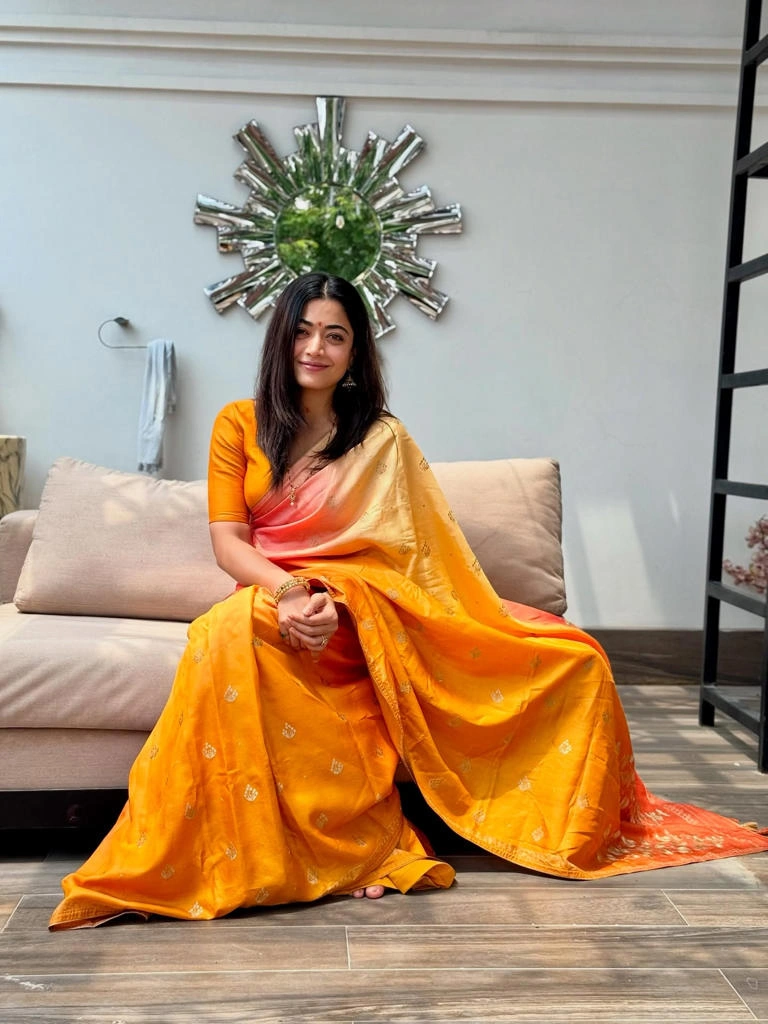
3. Set the Pallu Before Making Front Pleats
Many experienced stylists prefer arranging the pallu first.
Once the pallu is fixed at the desired length and style, it becomes easier to determine how much fabric remains for the front pleats. This ensures the pleats are evenly distributed and proportionate.
See more of our coverage in your search results.
Add Hunterfly on GoogleBenefits:
- Better fabric management
- Balanced pleat width
- Cleaner overall drape
This simple adjustment can significantly improve the final look.
4. Lightly Press Pleats for Extra Definition
If your saree fabric allows it, a gentle press can help create sharper and more structured pleats.
Using a low-temperature setting, carefully smooth out any wrinkles that may form during draping.
Best suited for:
- Cotton sarees
- Linen sarees
- Silk blends
Always check fabric care instructions before applying heat to avoid damage.
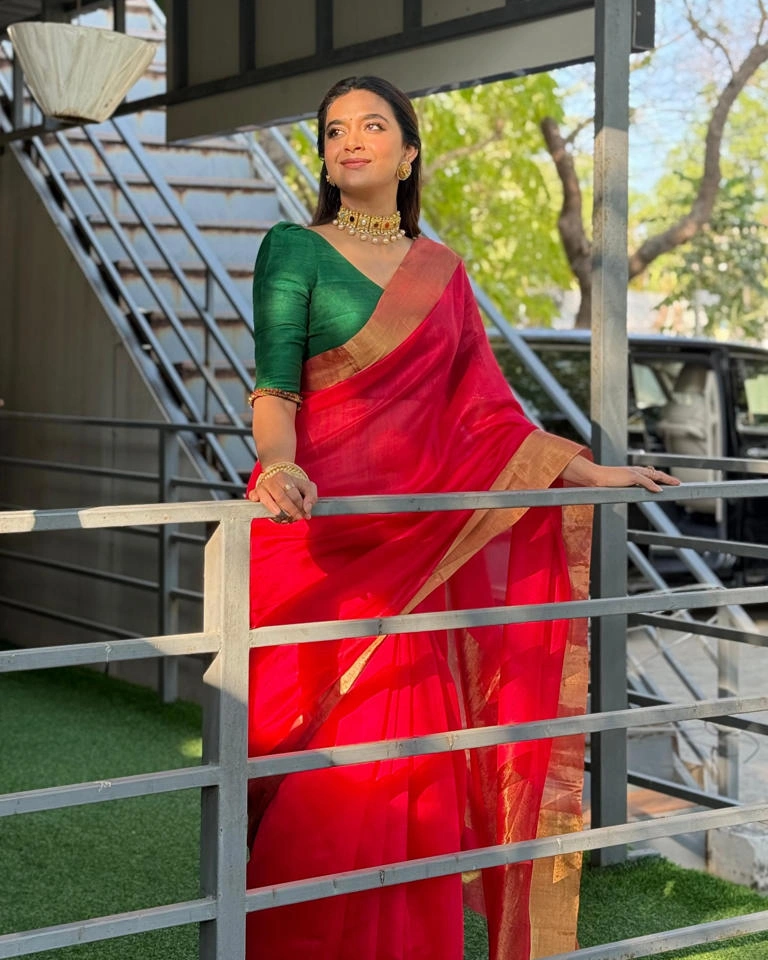
5. Choose a Well-Fitted Petticoat
A saree’s appearance depends heavily on the foundation underneath it.
An ill-fitting petticoat can cause:
- Uneven pleats
- Fabric bunching
- Constant adjustments
A properly fitted petticoat provides support, helps the saree stay in place, and enhances the overall silhouette.
Look for:
- Secure waistband
- Comfortable fit
- Fabric that complements the saree

6. Use Double-Sided Fashion Tape
Fashion tape has become a favorite styling tool among professionals.
For lightweight or slippery fabrics such as chiffon, georgette, satin, or organza, double-sided tape helps secure the pallu without visible pins.
Advantages:
- Invisible support
- Cleaner appearance
- Prevents slipping
This trick is especially useful during long events where frequent adjustments are inconvenient.
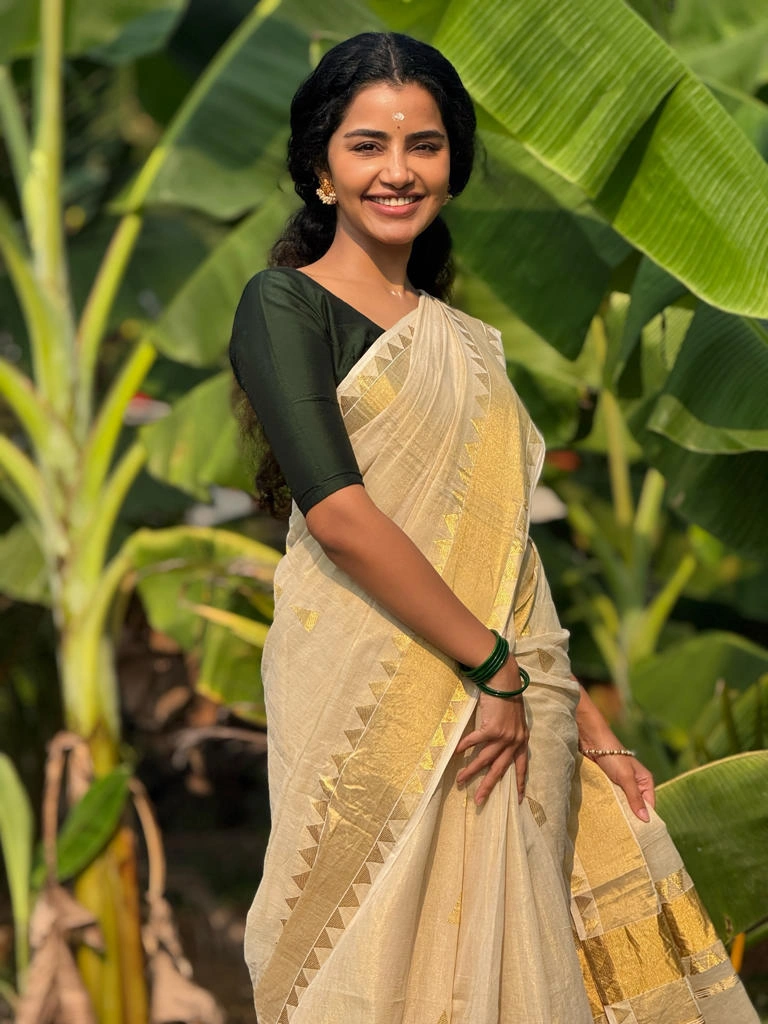
7. Never Underestimate the Power of a Good Blouse
Even the most beautifully draped saree can lose its impact if paired with a poorly fitted blouse.
A well-tailored blouse:
- Enhances posture
- Improves overall structure
- Creates a polished finish
Neckline design, sleeve length, and fit all contribute to the final look.
Popular choices:
- Boat neck blouses
- Sweetheart necklines
- High-neck designs
- Contemporary deep-back styles
Choosing the right blouse can instantly elevate a simple saree into a statement outfit.
Common Saree Pleating Mistakes to Avoid
While draping, avoid these frequent errors:
Making pleats too wide or too narrow
Using excessive pins
Ignoring footwear height
Wearing a loose petticoat
Leaving pleats uneven
Choosing a blouse that doesn’t complement the saree
Correcting these small details can dramatically improve the final appearance.
Final Thoughts
Mastering saree pleats is less about perfection and more about technique. With the right preparation, a well-fitted foundation, and a few stylist-approved tricks, anyone can achieve a clean and elegant drape.
The key lies in balancing structure with comfort. As you gain more experience draping different fabrics and styles, creating neat pleats becomes quicker and more effortless.
Whether you’re wearing a traditional silk saree for a wedding or a lightweight drape for work, these expert-approved saree pleating secrets can help you look confident, graceful, and polished throughout the day.