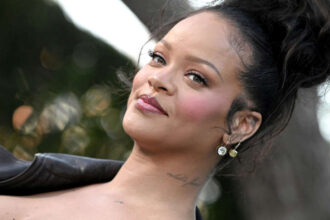





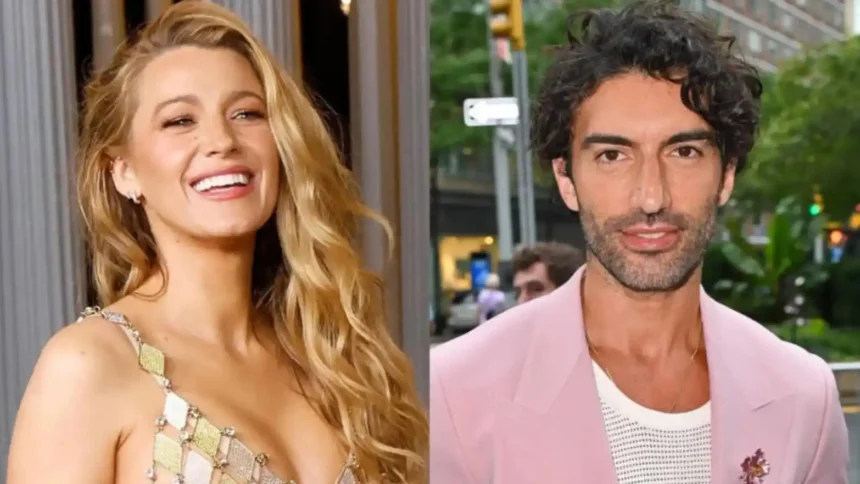
Actor Blake Lively has secured a partial legal victory in her long-running dispute with actor and director Justin Baldoni, following a recent court ruling related to the legal battles surrounding the 2024 film It Ends With Us.
A United States judge ruled that Lively is entitled to recover certain legal fees and litigation costs connected to her defence against a countersuit filed by Baldoni. However, the court declined other requests, including claims seeking punitive and enhanced damages.
The latest development comes after both parties moved toward resolving most of their legal disagreements ahead of a scheduled trial.
What Did the Court Decide?
According to court documents, Judge Lewis J. Liman ruled that Lively may recover legal costs associated with defending herself against Baldoni’s countersuit.
See more of our coverage in your search results.
Add Hunterfly on GoogleThe decision referenced California legal protections designed to shield individuals from retaliatory lawsuits connected to harassment or discrimination-related claims. Under those provisions, defendants may recover legal fees when certain claims are dismissed and no evidence of malicious intent is established.
The judge determined that the circumstances justified the recovery of some legal expenses by Lively.
Claims for Additional Damages Rejected
While the ruling granted Lively the right to seek reimbursement for specific legal costs, the court rejected requests for punitive damages and other enhanced compensation.
The judge concluded that those particular claims were not supported under the applicable federal procedural framework governing the case.
As a result, the ruling provided a mixed outcome, granting limited relief while denying broader financial remedies.
See more of our coverage in your search results.
Add Hunterfly on GoogleBoth Sides Claim Victory
Following the court’s decision, representatives for both parties presented the outcome as favorable to their respective positions.
Lively’s legal team stated that the award of legal fees reinforced their position that her actions were undertaken in good faith and that there was no finding of malicious conduct.
Meanwhile, attorney Bryan Freedman, representing Baldoni, argued that the ruling did not validate the allegations made against his client and maintained that reputational harm had been caused during the dispute.
See more of our coverage in your search results.
Add Hunterfly on GoogleThe differing interpretations highlight the complexity of a legal battle that has drawn significant public attention over the past two years.
Background of the Dispute
The legal conflict began in late 2024 when Blake Lively filed allegations against Justin Baldoni involving workplace conduct and retaliation.
Baldoni denied the allegations and responded with legal claims of his own, including accusations involving defamation and reputational damage. The dispute later expanded to include actor Ryan Reynolds, Lively’s husband.
Several claims and counterclaims were subsequently reviewed by the court, with multiple portions of the litigation dismissed at different stages of the proceedings.
Over time, the case evolved into one of Hollywood’s most closely watched legal disputes.
The Film at the Center of the Controversy
The legal battle emerged amid discussions surrounding It Ends With Us, the film adaptation of Colleen Hoover’s bestselling novel.
Released in August 2024, the movie attracted significant audience interest and performed strongly at the global box office. The story explores themes related to relationships, personal growth, and domestic abuse, making it one of the most talked-about literary adaptations of recent years.
Despite the film’s commercial success, much of the public conversation later shifted toward the legal conflict involving its key cast members.
What Happens Next?
With most major disputes now reportedly resolved or settled, the legal confrontation between Lively and Baldoni appears to be approaching its conclusion.
The latest ruling clarifies the issue of legal costs but does not fully settle the debate over how each side views the outcome. As a result, both parties continue to characterize the decision as supportive of their respective positions.
For now, the case serves as another example of how high-profile entertainment projects can become intertwined with complex legal and public relations challenges.