







More than a decade after its original release, Dev.D continues to stand out as one of Bollywood’s boldest and most influential modern cult films.
Directed by Anurag Kashyap and released in 2009, the movie reimagined Sarat Chandra Chattopadhyay’s classic novel Devdas through a darker and more contemporary lens. But instead of offering audiences a polished romantic tragedy, Dev.D presented emotional chaos, addiction, sexuality, and social hypocrisy in a way mainstream Hindi cinema had rarely attempted before.
At the time of release, the film generated strong reactions for its unapologetic storytelling and unconventional characters. While some praised its honesty and cinematic style, others criticized it for pushing boundaries too aggressively.
Starring Abhay Deol, Mahie Gill, and Kalki Koechlin, the film followed Dev, a self-destructive young man spiraling through heartbreak, substance abuse, and emotional instability after distancing himself from Paro, the woman who truly loved him.
See more of our coverage in your search results.
Add Hunterfly on GoogleUnlike earlier versions of Devdas, the protagonist in Dev.D was not portrayed as a romantic tragic hero. Instead, the film explored addiction and emotional collapse in a raw, uncomfortable, and often disturbing way.
The film also sparked discussion for its portrayal of female sexuality. Paro’s confidence, independence, and emotional choices challenged traditional Bollywood stereotypes, while Chanda’s storyline became one of the film’s most talked-about elements.
Kalki Koechlin’s character, inspired by the aftermath of an MMS scandal, reflected the harsh reality of public shaming and social judgment faced by women. The storyline drew comparisons to real-life controversies that had shaken India during the early 2000s, making audiences even more uncomfortable with the film’s realism.
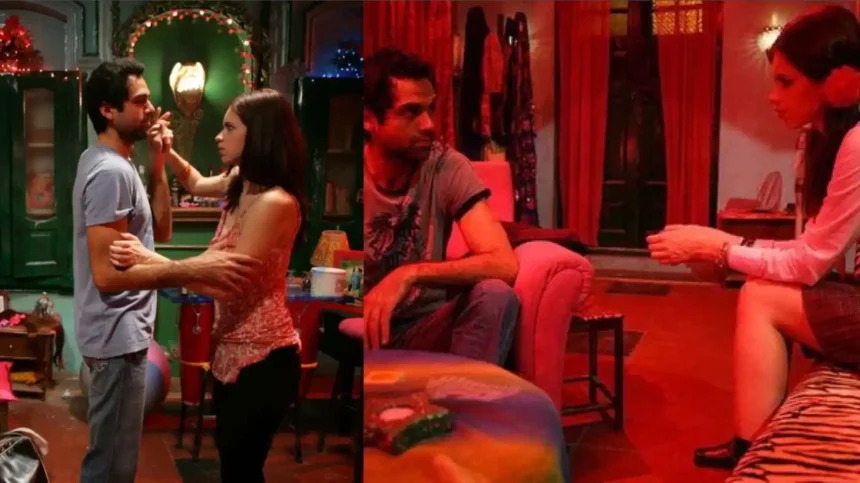
At a time when mainstream cinema rarely addressed such themes openly, Dev.D broke away from conventional storytelling and embraced a gritty, experimental style. Its neon visuals, unconventional soundtrack, and fragmented narrative eventually helped the film gain cult status among younger audiences.
Songs like Emotional Atyachar and Nayan Tarse became iconic, while the film itself came to represent a new era of independent and experimental Bollywood filmmaking.
See more of our coverage in your search results.
Add Hunterfly on GoogleOver the years, public opinion around Dev.D has evolved significantly. What once seemed shocking to many viewers is now often viewed as fearless and ahead of its time.
With renewed attention surrounding the film’s re-release, many cinema lovers are revisiting Dev.D not just as a movie, but as a defining cultural moment that challenged how Bollywood portrayed love, addiction, women, and emotional vulnerability.