



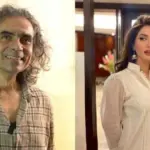





After spending nearly three decades in the television industry, actor Smita Bansal believes the medium is ready for meaningful change. Known for memorable performances across popular television dramas, Bansal says finite-format storytelling offers stronger character development and more cohesive narratives than many long-running daily soaps.
The actor is currently preparing for her role as the head dean in the upcoming series 108 Base Hospital: Uri, a project she says appealed to her because of its structured storytelling and unique subject matter.
Why Finite Television Appeals to Smita Bansal
According to Bansal, finite series allow actors and writers to work with a clear roadmap from beginning to end.
Unlike traditional daily soaps, where storylines can change frequently in response to audience ratings, finite shows provide a defined character arc and narrative progression.
See more of our coverage in your search results.
Add Hunterfly on GoogleShe believes this format enables performers to better understand their characters while also giving writers the opportunity to craft more focused stories without constantly altering the plot.
Bansal noted that when she entered television during the 1990s, audiences regularly watched weekly and finite-format shows, making the current return to such storytelling particularly encouraging.
Television Needs New Ideas, Says Actor
The veteran actor also spoke about the need for innovation within television programming.
While acknowledging that audience preferences play a role in determining a show’s success, she believes broadcasters and creators should be willing to give fresh concepts adequate time to find their audience.
Bansal pointed out that unconventional shows are often discontinued before viewers have an opportunity to connect with them. She argues that introducing new storytelling formats requires patience from both creators and networks.
See more of our coverage in your search results.
Add Hunterfly on GoogleAccording to her, audiences should also encourage stronger narratives by supporting quality content and moving away from stories that no longer feel relevant or realistic.
108 Base Hospital: Uri Offers a Different Perspective
One of the reasons Bansal was drawn to 108 Base Hospital: Uri is its setting within an army medical environment.
The series focuses on the professional and personal challenges faced by military doctors and healthcare workers, exploring aspects of their lives that are rarely highlighted in mainstream television dramas.
See more of our coverage in your search results.
Add Hunterfly on GoogleRather than relying solely on emotional storytelling, the show aims to present the realities of working in a high-pressure military medical facility.
The project stars actors Erica Fernandes and Gashmeer Mahajani in key roles alongside Bansal.
Embracing Mother Roles on Screen
Bansal also reflected on her transition from lead roles to character-driven performances, particularly maternal roles that have become a defining part of her television career.
The shift began with Balika Vadhu, one of Indian television’s most successful and influential dramas.
She explained that the transition happened naturally and aligned with changes in her personal life. Around the same time, she was embracing motherhood off-screen and wanted a work schedule that allowed her to spend more time with her child.
The actor emphasized that mother characters often hold significant importance within television narratives and frequently remain among the most prominent roles after the lead protagonists.
She also acknowledged that audience perception and screen age play an important role in casting decisions within the industry.
Preparing for a Military Medical Drama
To ensure authenticity in 108 Base Hospital: Uri, the cast underwent extensive preparation before filming.
Bansal revealed that the production team organized workshops covering army etiquette, basic combat awareness and weapon handling. Cast members were also trained in hospital procedures and medical protocols to accurately portray healthcare professionals.
Medical experts were present during the training process, helping actors understand how doctors and nurses interact, use medical equipment and perform routine procedures.
The team also studied medical documentaries and reference material to maintain technical accuracy throughout the series.
Three Decades of Television Experience
With a career spanning more than 30 years, Smita Bansal has witnessed the transformation of Indian television firsthand.
From traditional family dramas to modern streaming content, she has adapted to changing audience preferences while continuing to take on diverse roles.
Her credits include several popular television productions, including Balika Vadhu, Tum Aise Hi Rehna, Zindagi Abhi Baaki Hai Mere Ghost, Jaana Na Dil Se Door, Nazar, Aladdin – Naam Toh Suna Hoga, Yehh Jadu Hai Jinn Ka! and Bhagya Lakshmi.
As she prepares for 108 Base Hospital: Uri, Bansal remains optimistic about the future of television and hopes audiences will embrace fresh formats that push storytelling beyond familiar formulas.
For an industry searching for its next phase of growth, her message is clear: innovation, patience and stronger narratives are essential for television’s evolution.