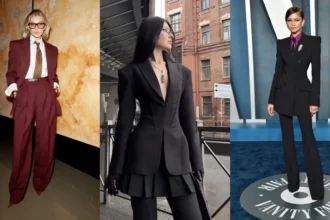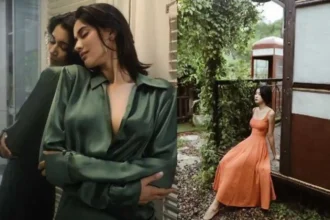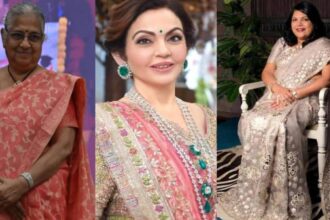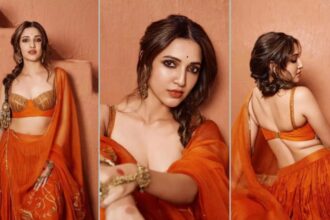
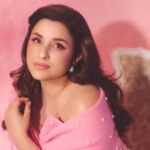

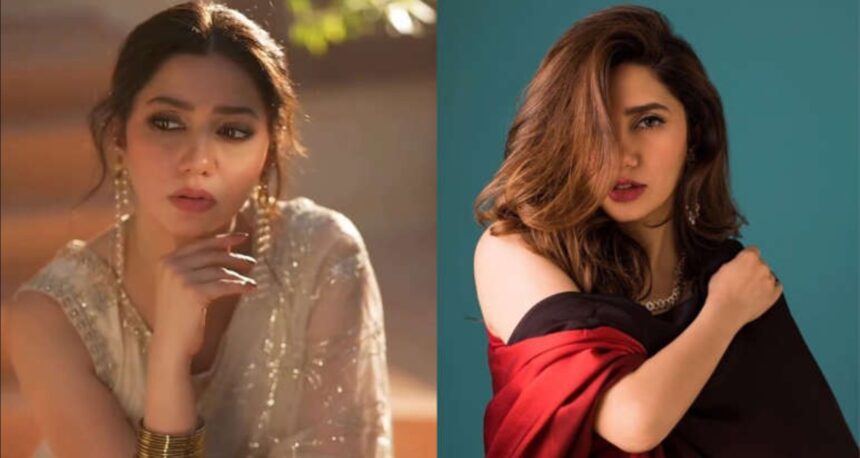
From Nazia Hassan’s unmistakable retro glamour to Mahira Khan’s contemporary elegance, these Pakistani women have influenced how generations think about fashion, beauty and personal style. Their wardrobes may belong to different eras, but their impact continues to shape South Asian style conversations.
Fashion is often remembered through people.
A particular silhouette, a hairstyle, a colour palette or even the way someone carries a traditional outfit can become associated with an entire era. In Pakistan, several women have achieved precisely that kind of influence. They have not simply followed trends; they have helped turn clothing into an extension of personality.
Some became style references through music, others through cinema and television, while some built their influence through fashion itself.
See more of our coverage in your search results.
Add Hunterfly on GoogleFrom the pioneering pop culture of the 1980s to today’s red-carpet generation, here are five Pakistani women whose distinctive styles have left a lasting mark.
1. Nazia Hassan: The Original Pop-Culture Trendsetter
Long before social media made celebrity fashion instantly accessible, Nazia Hassan was already creating a visual identity that audiences wanted to emulate.
The late singer became one of the defining faces of South Asian pop culture after her breakthrough in the 1980s. Her music made her hugely popular, but her youthful fashion also became part of her appeal.
Nazia’s style captured the spirit of her generation through relaxed silhouettes, statement hairstyles and an effortless approach to dressing. She could look glamorous without appearing overly formal, helping create a fashion language that felt youthful and accessible.
Her influence has lasted far beyond the period in which she was active.
See more of our coverage in your search results.
Add Hunterfly on GoogleVintage-inspired South Asian fashion frequently brings back elements associated with the era she helped define, while younger audiences continue to discover her music and distinctive visual identity.
Nazia demonstrated that a pop star’s image could become just as memorable as the songs themselves.
2. Sabiha Khanum: Old-School Pakistani Glamour
For an earlier generation, Sabiha Khanum represented a very different kind of screen elegance.
See more of our coverage in your search results.
Add Hunterfly on GoogleOne of Pakistan’s celebrated film actresses, she became known for her work during the country’s classic cinema era. Her public image reflected the polished glamour associated with the golden age of Pakistani film.
Traditional clothing, carefully styled hair and classic jewellery were central to the aesthetic of the period.
What makes Sabiha’s style particularly significant is the way it captured the sophistication of an earlier Pakistani entertainment industry. Her fashion was less about chasing short-lived trends and more about creating a composed, unmistakably glamorous appearance.
Her legacy belongs to a time when film stars played a major role in shaping ideas about femininity, beauty and formal dressing.
3. Iman Ali: Minimalism With A Strong Fashion Identity
Iman Ali brought a more modern sensibility to Pakistani celebrity style.
The model and actor became known for a polished aesthetic that often balanced traditional South Asian fashion with contemporary silhouettes. Her appearances demonstrated how simplicity can itself become a statement.
Rather than relying on excessive embellishment, Iman has often been associated with clean styling, strong tailoring and understated glamour.
Her influence can be seen in the growing preference for fashion that feels sophisticated without being overloaded.
That balance has made her a notable reference point for people who prefer elegance over extravagance.
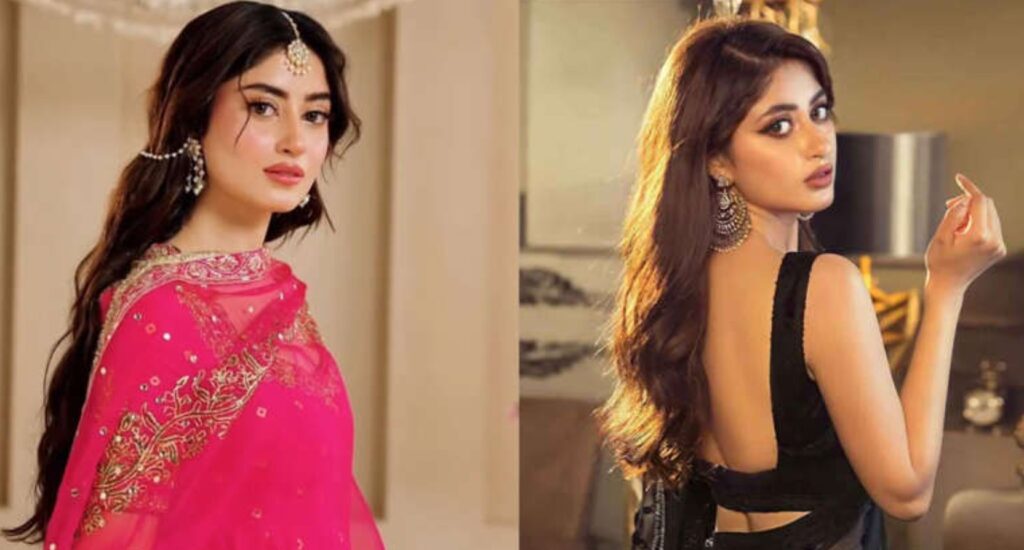
4. Meesha Shafi: Fashion As Self-Expression
Meesha Shafi represents another side of Pakistani style—one where fashion becomes an extension of individuality.
Known for her work as a singer, actor and performer, Meesha has frequently experimented with silhouettes, textures and styling choices rather than limiting herself to one predictable aesthetic.
Her approach demonstrates that being fashionable does not necessarily mean following conventional ideas of glamour.
Whether appearing in contemporary ensembles or traditional South Asian clothing, she has often used fashion to create a distinctive visual identity.
That willingness to experiment is an important part of her appeal, particularly for audiences who see personal style as a form of self-expression rather than simply a way of dressing for an occasion.
5. Mahira Khan: Contemporary Pakistani Elegance
Few contemporary Pakistani celebrities have achieved the international visibility of Mahira Khan.
The actor has developed a style identity that moves comfortably between traditional Pakistani fashion, contemporary designer wear and global red-carpet dressing.
One of the defining characteristics of Mahira’s public style is versatility. She can embrace a heavily embroidered traditional outfit for a cultural event and then switch to a streamlined modern look without losing her personal identity.
Her appearances at major international events have also helped place Pakistani fashion before wider audiences.
Mahira’s influence is not limited to individual outfits. Her style frequently demonstrates how South Asian craftsmanship can coexist with contemporary fashion sensibilities.
That combination has made her a prominent fashion reference for a younger generation.
What Makes A Style Icon?
Being photographed in expensive clothes is not enough to make someone a style icon.
The women who genuinely influence fashion tend to possess something more lasting: recognition.
Their looks become identifiable. Their choices are remembered. And, most importantly, elements of their personal style eventually find their way into the wardrobes of people watching them.
That influence can take different forms.
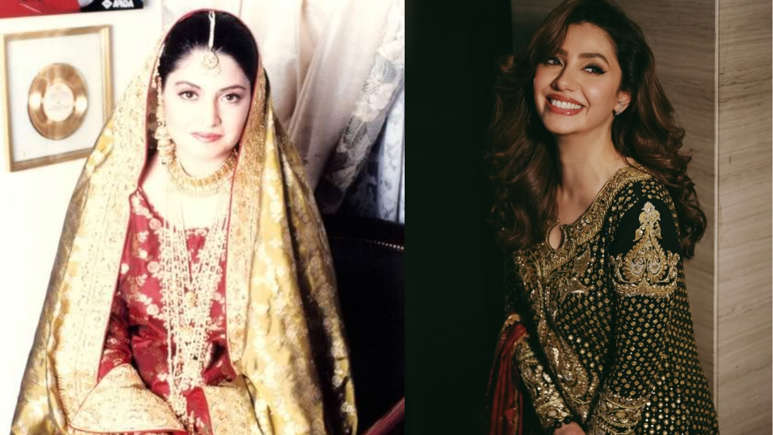
Nazia Hassan made youthful pop fashion part of her cultural legacy. Sabiha Khanum represented the glamour of classic Pakistani cinema. Iman Ali demonstrated the appeal of restraint, Meesha Shafi embraced experimentation, and Mahira Khan has helped define contemporary Pakistani elegance on both local and international platforms.
They belong to different generations, but their contribution follows a similar principle: fashion becomes memorable when it feels personal.
A Style Legacy That Keeps Evolving
Pakistani fashion has changed dramatically over the decades.
The silhouettes and beauty trends that dominated the film industry several generations ago are very different from the looks seen on today’s red carpets and social-media feeds.
Yet style history rarely disappears completely.
Older aesthetics return through vintage-inspired collections. Classic hairstyles are reinvented. Traditional textiles are paired with contemporary cuts. And celebrities from different generations continue to influence the way South Asian fashion is interpreted.
That is why a true style icon remains relevant even when the original trend has disappeared.
The enduring appeal of these five women lies not simply in what they wore, but in the identities they created around their fashion choices.