








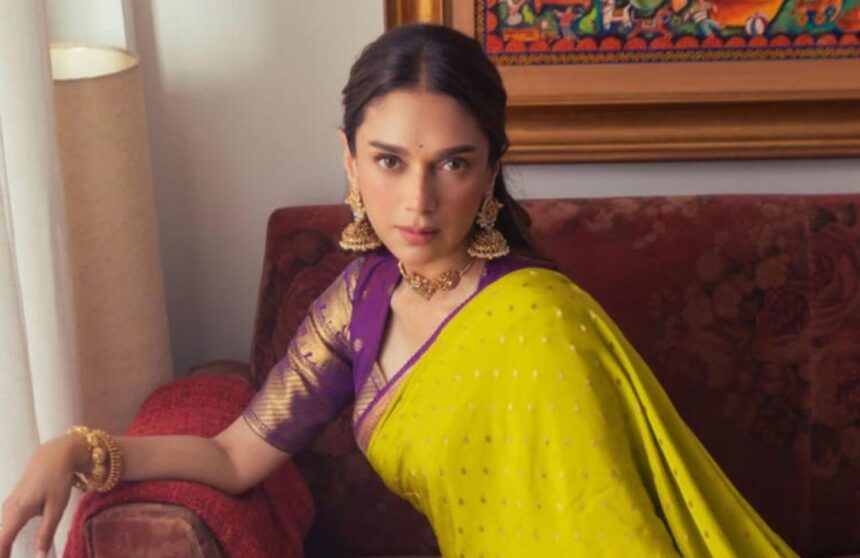
Every year on August 7, India celebrates National Handloom Day, honouring the country’s centuries-old weaving traditions and the skilled artisans who keep them alive. In 2026, the celebration comes at a time when handcrafted textiles are enjoying renewed appreciation among consumers seeking authenticity, sustainability and timeless style.
Once associated mainly with weddings and festive occasions, handloom textiles have become an integral part of contemporary wardrobes. From boardrooms and creative workplaces to travel and everyday fashion, handwoven sarees and fabrics are increasingly being embraced for their versatility, craftsmanship and cultural significance.
Rather than being a passing trend, India’s handloom heritage is evolving to meet modern lifestyles while preserving the artistry that has defined it for generations.
Handloom Finds a Place in Everyday Fashion
Today’s fashion-conscious consumers are reimagining traditional weaves beyond ceremonial dressing.
See more of our coverage in your search results.
Add Hunterfly on GoogleHandloom sarees are being styled with tailored shirts, minimalist jewellery, sneakers and modern accessories, creating looks that blend heritage with contemporary aesthetics.
Designers across India are also introducing lighter fabrics, softer drapes and updated colour palettes, making handcrafted textiles more practical for daily wear without compromising their authenticity.
This evolution reflects changing consumer preferences, particularly among younger generations looking for clothing that combines elegance, comfort and cultural identity.
Why Handloom Matters in the Age of Sustainable Fashion
As conversations around sustainable fashion continue to grow globally, India’s handloom industry naturally aligns with many of those values.
Unlike mass-produced garments, handwoven textiles are crafted by skilled artisans using traditional techniques that often require fewer industrial resources. Each piece carries the individuality of the weaver, making every creation unique.
See more of our coverage in your search results.
Add Hunterfly on GoogleConsumers today are increasingly interested in understanding where their clothes come from, who made them and how they were produced. Handloom offers transparency, craftsmanship and a direct connection between the artisan and the wearer.
Choosing handloom also helps preserve traditional skills while supporting thousands of weaving families across the country.
Tradition Meets Innovation
The future of handloom lies not in replacing tradition but in making it more accessible to modern consumers.
See more of our coverage in your search results.
Add Hunterfly on GoogleMany fashion brands are introducing innovations such as:
- Ready-to-wear sarees
- Pre-draped silhouettes
- Contemporary blouses
- Lightweight fabrics
- Modern colour combinations
- Simplified styling options
These innovations encourage younger audiences to embrace traditional textiles while respecting the craftsmanship behind them.
Retail experiences are also evolving, with some stores allowing visitors to witness live weaving demonstrations, helping consumers better appreciate the skill and time involved in creating handloom fabrics.
Supporting India’s Artisan Communities
India’s handloom sector provides livelihoods to millions of artisans and remains one of the country’s largest traditional industries.
Every purchase of an authentic handloom product contributes to:
- Preserving centuries-old weaving traditions.
- Supporting rural artisan families.
- Promoting sustainable production methods.
- Encouraging cultural preservation.
- Strengthening local economies.
By choosing handcrafted textiles, consumers become active participants in protecting India’s rich textile heritage.
More Than Fashion
Handloom represents far more than clothing.
Every weave tells a story of regional traditions, local craftsmanship, family knowledge passed down through generations and India’s remarkable cultural diversity.
Whether it is Banarasi silk, Kanjeevaram, Chanderi, Ikat, Jamdani, Maheshwari, Muga silk, Pochampally or countless other regional weaves, each textile reflects a unique artistic identity rooted in its place of origin.
Why National Handloom Day Matters
National Handloom Day commemorates the importance of India’s handloom industry and recognises the contribution of artisans whose work continues to shape the country’s cultural and economic landscape.
It also serves as an opportunity to encourage consumers to support authentic handcrafted products and celebrate India’s rich textile traditions.
As sustainable fashion continues gaining momentum worldwide, India’s handloom sector remains an enduring example of craftsmanship, quality and responsible production.