








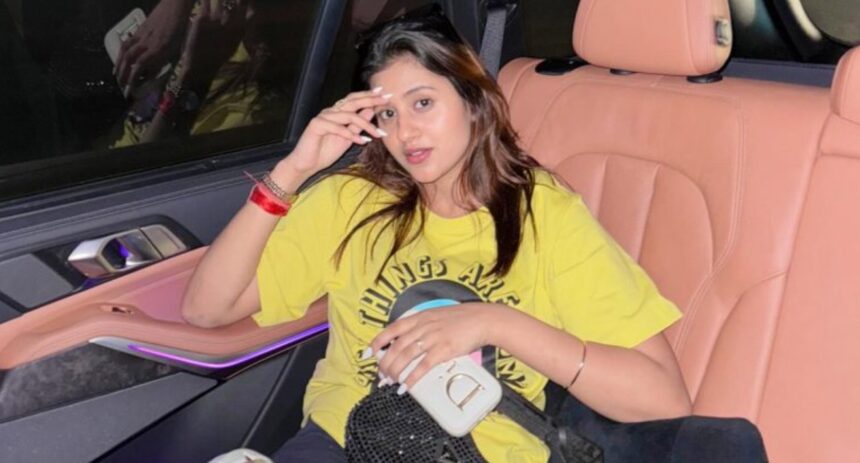
Anjali Arora has previously faced a major online controversy after an alleged private video was circulated in 2022 and falsely attributed to her. The incident triggered widespread discussion on social media, but the influencer and television personality denied that she was the woman shown in the clip.
The controversy later moved beyond social media, with reports of legal action concerning the circulation and publication of the alleged video.
Because the material involved intimate allegations and questions over authenticity, the episode also raised broader concerns about digital privacy, misinformation, defamation and the growing problem of manipulated online content.
What Happened in the Anjali Arora Viral Video Controversy?
In 2022, a video began circulating across social-media platforms with claims that the woman shown in it was Anjali Arora.
See more of our coverage in your search results.
Add Hunterfly on GoogleThe clip quickly became associated with the influencer’s name, leading to a surge in online searches and social-media discussion.
Arora subsequently denied that she was the person shown in the video and described the circulating material as fake or morphed.
The distinction was significant. A video being widely circulated under someone’s name does not establish that the person actually appears in it.
Anjali Arora Denied Being in the Video
As the controversy intensified, Anjali addressed the issue publicly.
She expressed distress over the allegations and the effect the controversy had on her and her family. The incident became particularly difficult because the alleged video was being discussed using her name despite her denial of being the person featured.
See more of our coverage in your search results.
Add Hunterfly on GoogleThe controversy demonstrated how quickly an unverified claim can become associated with a public figure once it starts trending across social media.
For readers, one of the most important points is that the alleged video’s circulation should not be treated as proof of Anjali’s involvement.
Legal Action Over the Alleged Video
The controversy subsequently took a legal turn.
See more of our coverage in your search results.
Add Hunterfly on GoogleReports stated that legal proceedings were initiated in relation to the circulation and publication of material associated with the alleged video, including claims concerning defamation.
The legal aspect of the matter is important because online publishers and social-media accounts can potentially face consequences when they identify an individual with allegedly defamatory or fabricated material without adequate verification.
However, legal claims and proceedings should be reported carefully. A complaint, notice or filing is not the same as a final judicial finding.
Why the Word ‘Morphed’ Matters
The allegation that the video was morphed changes the nature of the controversy.
A morphed video can involve digitally altering existing material or combining content in a way that creates a false impression about someone’s identity.
Modern technology has made this problem increasingly difficult for ordinary internet users to identify.
A person’s face, photographs or other publicly available material can potentially be manipulated and attached to misleading content.
That means viewers should not automatically assume that a video is authentic simply because it appears realistic.
The Bigger Problem: Digital Defamation
The Anjali Arora controversy illustrates how digital defamation can operate differently from traditional media.
A false claim published in one place can be copied by hundreds of accounts within minutes.
Once multiple websites and social-media pages repeat the same allegation, readers may incorrectly assume that the claim has been independently confirmed.
In reality, many online reports can originate from the same unverified source.
This is sometimes referred to as an echo-chamber effect: repetition creates an appearance of credibility without adding new evidence.
Why Viral Does Not Mean Verified
The term “viral video” describes the amount of attention something receives. It does not establish its authenticity.
A video can become viral because:
- It is genuine.
- It is misleadingly captioned.
- It has been edited.
- It has been digitally manipulated.
- It has been falsely attributed to someone.
- People share it before checking the original source.
This is particularly important when intimate material is involved.
The consequences of incorrectly identifying someone can be severe, including reputational damage, harassment and emotional distress.
Anjali Arora’s Rise to Fame
Before the controversy, Anjali Arora had already developed a substantial social-media following.
She became particularly popular through short-form video content and later gained wider television visibility through Lock Upp, where she became one of the show’s most discussed contestants.
Her popularity meant that any controversy attached to her name could spread much faster than an ordinary online allegation.
The same visibility that helped build her career also increased the potential impact of misleading content.
From Social Media to Legal Questions
The case also raises an important question for digital publishers: What responsibility does a website have before attaching a person’s name to potentially damaging content?
A publisher should ideally establish:
- Whether the material is authentic.
- Whether the identity of the person shown has been independently confirmed.
- Whether the person concerned has denied the allegation.
- Whether credible authorities have commented.
- Whether legal proceedings have actually been filed.
- Whether the report risks unnecessarily amplifying private material.
These safeguards are especially important when dealing with alleged intimate content.
Why Publishers Should Not Embed the Alleged Video
Reporting on the controversy does not require reproducing the alleged footage.
Embedding or linking to such material can increase its reach and potentially compound the privacy harm experienced by the person named in the controversy.
A responsible news report can instead explain:
what happened → what was claimed → what the person said → what legal action was reported → what remains unverified.
This gives readers meaningful information without facilitating further circulation.
The Role of Social Media Users
Publishers are not the only participants in the information cycle.
Ordinary social-media users also influence how quickly controversial material spreads.
Before sharing an alleged private video, users should ask:
Has the identity been independently verified?
Is the material being shared with the person’s consent?
Is there a credible source confirming the claim?
Could the material be manipulated or misidentified?
If the answer to these questions is unclear, sharing the material can create unnecessary harm.
What Is Known and What Remains Unclear?
What is established in the public controversy
- An alleged video was circulated online in 2022 using Anjali Arora’s name.
- Arora denied that she was the woman shown.
- The material was widely discussed across social media.
- Reports subsequently emerged regarding legal action connected with the controversy.
What should not be assumed
- That viral circulation proves the video’s authenticity.
- That the woman shown was definitively Anjali Arora.
- That every online report about the controversy independently verified the material.
- That a reported legal filing automatically establishes wrongdoing by another party.
This distinction is essential for accurate reporting.
Why This Case Remains Relevant
The Anjali Arora controversy is not only a celebrity story. It reflects a much wider digital problem.
As image and video manipulation become increasingly sophisticated, public figures can be targeted with fabricated or misleading material that spreads faster than corrections.
At the same time, search engines can continue surfacing old claims long after the original controversy has faded from mainstream attention.
The issue therefore extends beyond one viral incident. It concerns privacy, consent, verification, responsible journalism and online accountability.
A Reminder About Responsible Reporting
Stories involving alleged intimate content require a higher standard of editorial care.
News organisations should clearly distinguish between:
confirmed facts, public statements, reported legal developments and unverified online allegations.
They should also avoid sensationalising intimate claims or directing readers toward alleged leaked material.
In Anjali Arora’s case, the central public-interest story is the controversy itself, her denial, the reported legal response and the broader question of how manipulated or falsely attributed content can damage someone’s reputation.
Frequently Asked Questions
Was the viral MMS video confirmed to be Anjali Arora?
No. Anjali Arora publicly denied that she was the woman shown in the circulated video and described the material as fake or morphed.
When did the controversy happen?
The alleged video controversy emerged online in 2022.
Did Anjali Arora take legal action?
Reports at the time stated that legal action was pursued in connection with the circulation and publication of material associated with the controversy. Specific legal developments should be distinguished from allegations and reported claims.
Was the video proven authentic?
The circulation of the video itself does not establish authenticity. Arora disputed the claim that she appeared in it.
Should people search for or share the alleged video?
No. Sharing alleged intimate material can further violate privacy and amplify potentially false or manipulated content.