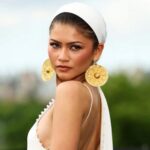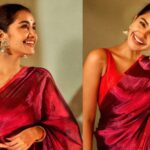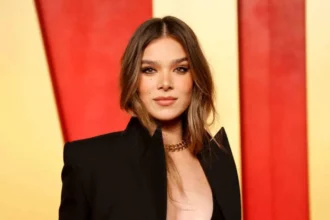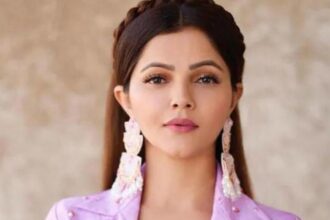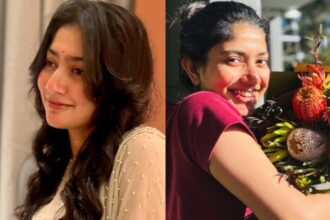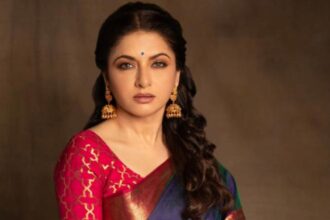



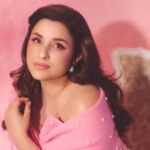

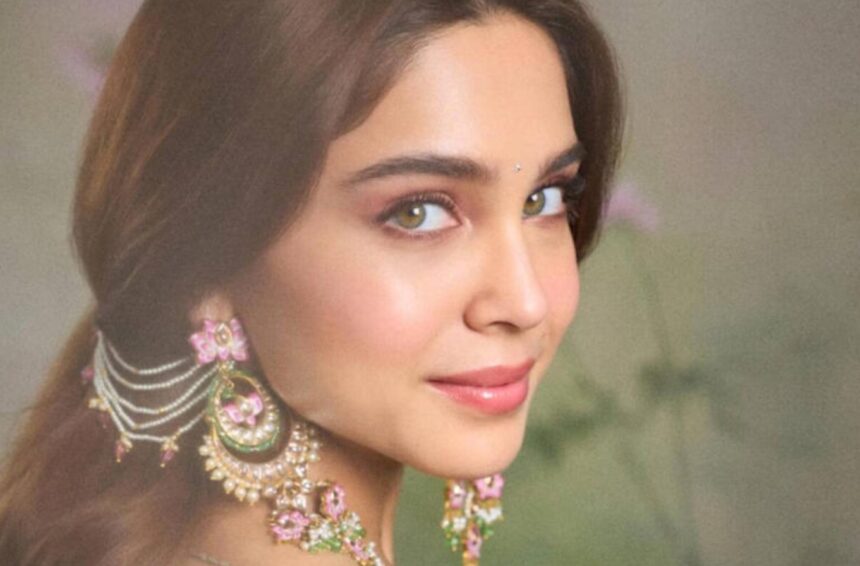
From luminous skin and softly defined eyes to full-coverage bases and dramatic lashes, Indian beauty is making room for more than one definition of glamour. The emerging preference is less about following a single trend and more about choosing makeup that suits the woman, the occasion and the mood.
Indian beauty has never been short on glamour.
For years, sharply sculpted cheekbones, full-coverage foundations, defined eyes, dramatic lashes and statement lips have been closely associated with bridal and occasion makeup. But the beauty conversation is becoming more nuanced.
Across wedding celebrations, festive events and everyday occasions, a softer approach to makeup is increasingly appealing to women who want polished skin and definition without feeling as though their natural features have disappeared beneath layers of product.
See more of our coverage in your search results.
Add Hunterfly on GoogleThat does not mean heavy glam is going away.
Instead, the growing conversation around soft glam versus heavy glam reflects something more interesting: women are becoming more selective about how they want to look.
What is soft glam?
Soft glam is not necessarily about using less makeup.
It is about creating a finished look in which the makeup itself does not immediately dominate the face.
The emphasis is often on fresh-looking skin, controlled radiance, softly defined eyes, naturally shaped brows and lip shades that complement rather than overpower the complexion.
See more of our coverage in your search results.
Add Hunterfly on Google“Soft glam is all about fresh, radiant skin, softly defined eyes, natural brows, and subtle lip colours,” makeup artist Khizra Fatima says.
The result can still be sophisticated and carefully constructed. The difference lies in the finish.
Rather than visibly sculpting every feature, soft glam aims to create harmony between complexion, eyes, lips, hair, jewellery and clothing.
See more of our coverage in your search results.
Add Hunterfly on GoogleWhy skin-first makeup is gaining attention
One reason for the popularity of softer makeup is the desire for skin to remain visible.
Instead of completely masking texture, contemporary techniques can use strategic coverage where it is needed while allowing more of the complexion to show through.
For women attending weddings and other celebrations, this can create a look that feels polished without becoming overly theatrical.
Sanya Mehta, founder of SOHNI, says she has noticed a change in what clients ask for.
“Today, I’d say seven out of ten clients walk in and tell me, ‘I don’t want to look like I’m wearing makeup,’” she says.
That preference also makes sense when photography is part of the occasion.
“Soft glam photographs beautifully in natural light and lets the outfit and jewellery stand out instead of the makeup,” Mehta explains.
The goal is not necessarily to appear makeup-free. It is to make the makeup feel integrated with the overall look.
Heavy glam still belongs at the big occasions
The popularity of soft glam should not be mistaken for the disappearance of dramatic makeup.
Indian weddings can involve elaborate outfits, layered jewellery, evening receptions, powerful lighting and hours of photography. In those settings, stronger makeup can provide the definition necessary to complement the scale of the styling.
“For a big fat Indian wedding with bright stage lights, a heavily embroidered lehenga and lots of photography, soft glam can sometimes lose its impact,” Mehta says. “That’s where heavy glam still has an important role.”
Fatima similarly sees a place for heavier makeup at grand weddings, evening receptions, fashion shoots and stage appearances.
Heavy glam can also offer something that softer makeup deliberately avoids: transformation.
There are occasions when women do not want to look like an enhanced version of their everyday selves. They want to create a more dramatic version of their appearance—and that can be part of the fun of dressing up.
The difference is increasingly about occasion
The more useful question may therefore not be whether soft glam is replacing heavy glam.
It is when each approach works best.
A daytime wedding ceremony may call for luminous skin, subtle definition and a softer lip. An evening reception with elaborate couture and statement jewellery may benefit from stronger eyes, more sculpted features and a bolder lip.
Similarly, a woman may choose natural-looking makeup for one function and dramatic makeup for another during the same wedding celebration.
The choice can also depend on the outfit.
A heavily embellished lehenga can support a stronger beauty look, while a minimalist sari or contemporary evening outfit may pair naturally with understated makeup.
Indian beauty is moving beyond one template
Perhaps the biggest shift is not technical at all.
It is the growing reluctance to treat one makeup style as universally flattering.
“As a makeup artist, I’ve noticed that my clients today aren’t asking for a particular trend as often as they used to,” Fatima says. “Instead, they’re asking for makeup that suits them — their features, skin type, outfit, personality, and the occasion.”
That is a meaningful change.
Instead of beginning with a photograph of a celebrity or influencer and asking for an exact reproduction, the conversation increasingly begins with the individual.
What works with her complexion?
What complements her features?
What will she be wearing?
How will the event be lit?
And, perhaps most importantly, how does she want to feel?
Soft glam and heavy glam can coexist
The distinction between the two aesthetics is also becoming less rigid.
A woman can have luminous, natural-looking skin and pair it with a sharply defined eye. Someone can choose subtle complexion makeup while wearing a dramatic red lip. A bride can keep her base fresh while using stronger eye makeup to complement her jewellery.
In other words, glamour does not have to belong entirely to one category.
The most interesting beauty looks often sit somewhere in between.
So, which one should you choose?
There is no universal winner.
Soft glam can be ideal when the goal is fresh, luminous and understated beauty. It works particularly well when the wearer wants her skin, features, outfit or jewellery to remain central to the overall look.
Heavy glam can be the better choice when the occasion is highly formal, the styling is dramatic or the environment demands stronger definition.
And there is nothing wrong with choosing both.
The more important shift is that Indian women appear increasingly interested in makeup that feels personal rather than prescriptive.
The question is gradually moving from “What makeup is trending?” to “What makeup works for me?”
That may be the most lasting beauty trend of all: not choosing soft glam over heavy glam, but having the confidence to choose whichever version of glamour feels authentic for the woman wearing it.