








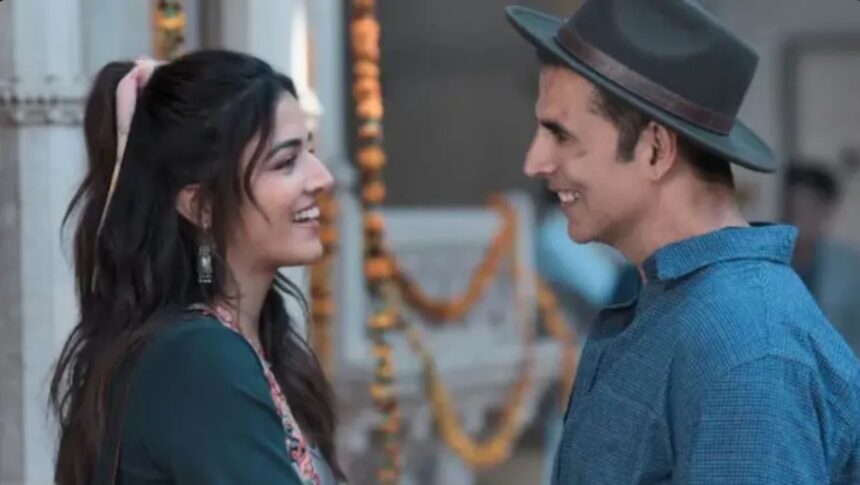
Age-Gap Debate Returns to Spotlight
The conversation around age gaps in Bollywood has resurfaced once again, following recent comments by Akshay Kumar while promoting his upcoming film. The actor, who stars opposite Wamiqa Gabbi, addressed criticism around their pairing, but his response has only intensified the discussion.
For many observers, the issue goes beyond a single film. It reflects a long-standing pattern in the industry where older male stars continue to be cast opposite significantly younger actresses.
Akshay Kumar’s Response
Akshay Kumar dismissed concerns by stating that age-gap pairings are not new and exist across global cinema. He suggested that such casting decisions are often driven by the script and noted that real-life relationships also feature age differences.
He also praised his co-star Wamiqa Gabbi for her professionalism and dedication, drawing comparisons with established performers.
See more of our coverage in your search results.
Add Hunterfly on GoogleHowever, critics argue that the explanation does not address the larger imbalance. The pattern, they say, is rarely reversed, with older actresses seldom paired with much younger male leads in mainstream films.
The “Screen Age” Argument
Director Priyadarshan weighed in on the debate, introducing the idea of “screen age.” According to him, actors can appear younger on screen than they are in real life, and audiences tend to accept that distinction.
While this perspective attempts to justify casting choices, it has also drawn criticism. Many argue that repeated exposure to such pairings normalizes an unrealistic standard rather than reflecting authentic storytelling.
Recent Casting Choices Fuel Criticism
The debate has gained momentum due to several recent examples where large age gaps between lead actors have drawn public attention.
In multiple films, significantly older male actors have been paired with actresses decades younger, reinforcing a familiar formula. Critics point out that these choices are rarely contextualized within the narrative, making them feel forced rather than organic.
See more of our coverage in your search results.
Add Hunterfly on GoogleA Pattern That Has Lasted Decades
This is not a new phenomenon. Bollywood has a long history of casting older male stars opposite much younger actresses, often without addressing the age difference within the story.
Over time, this approach has shaped audience expectations. What might have once gone unquestioned is now being re-examined, especially as conversations around representation and fairness gain traction.
The Core Issue: Unequal Ageing on Screen
At the heart of the debate is a deeper concern about how ageing is portrayed in the industry.
See more of our coverage in your search results.
Add Hunterfly on GoogleMale actors often continue to play romantic leads well into their later years, while actresses face a noticeable decline in similar opportunities as they grow older. This imbalance not only limits roles for women but also affects the diversity of stories being told.
Critics argue that the industry’s reluctance to adapt results in repetitive narratives and missed opportunities for more authentic character development.
When Age-Gap Stories Work
Interestingly, audiences are not entirely opposed to age-gap relationships in films. What they respond to is context and storytelling.
When such dynamics are thoughtfully written and integral to the plot, they can feel meaningful and believable. However, when used as a default casting formula, they often appear disconnected from reality.
Changing Audience Expectations
Today’s viewers are more aware and vocal about representation on screen. With the rise of digital platforms and diverse content, audiences are increasingly questioning traditional norms in mainstream cinema.
This shift is pushing the industry to reconsider long-held practices and explore more balanced storytelling.
Final Take
The renewed debate sparked by Akshay Kumar’s comments highlights a broader industry challenge. It is not just about age differences, but about consistency, fairness, and evolving narratives.
As conversations continue, one question remains central: should cinema reflect reality more closely, or continue to rely on formulas that no longer resonate with modern audiences?