









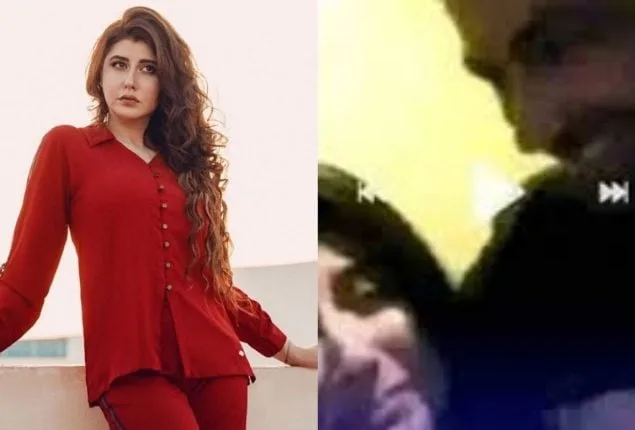
Prominent Pakistani television host Najiba Faiz found herself at the center of online controversy in 2025 after an alleged leaked MMS video began circulating across social media platforms. The clip, which allegedly featured a woman resembling her, quickly triggered widespread debate, speculation, and online discussions.
However, Najiba Faiz has firmly rejected the claims, describing the viral video as fabricated and maliciously edited.
The Alleged Viral Video Explained
The controversy began when a video surfaced online claiming to show Najiba Faiz in a private setting. As the footage spread rapidly, her name started trending across digital platforms in Pakistan and beyond.
Social media reactions were divided. While some users questioned the authenticity of the clip, others raised concerns about privacy violations and online harassment. The speed at which the content spread once again highlighted how unverified material can gain momentum in the digital age.
See more of our coverage in your search results.
Add Hunterfly on Google
Najiba Faiz’s Response to the Allegations
Najiba Faiz responded swiftly through her official social media accounts. In a strongly worded statement, she categorically denied any involvement in the alleged video and labeled it as manipulated content.
According to her clarification, the clip was created by editing portions of her older Facebook Live sessions to falsely depict inappropriate activity. She described the act as a targeted attempt to damage her reputation and mislead the public.
Her public statement emphasized that similar attempts had been made in the past, suggesting a pattern of online harassment. Many of her followers expressed support and condemned the circulation of unverified material.
A Growing Pattern of Targeting Public Figures
Najiba Faiz is not the only Pakistani public personality to face such allegations in recent years. Several well-known figures, including:
- Maryam Faisal
- Kanwal Aftab
- Minahil Malik
- Imsha Rehman
- Mathira Khan
have reportedly faced similar situations involving alleged leaks or digitally manipulated clips.
See more of our coverage in your search results.
Add Hunterfly on GoogleThese recurring incidents have intensified conversations about cybercrime, privacy protection, and the misuse of editing technologies.
The Larger Issue: Digital Manipulation and Cyber Harassment
The controversy surrounding Najiba Faiz underscores broader concerns about:
- Digital content manipulation
- Deepfake-style editing
- Cyber harassment
- Online defamation
- Gender-targeted trolling
With advanced editing tools becoming increasingly accessible, fabricated videos can appear realistic enough to mislead audiences. Experts consistently advise users to verify content before sharing or reacting to viral material.
See more of our coverage in your search results.
Add Hunterfly on GoogleThe case also highlights the disproportionate targeting of women in online smear campaigns, raising ongoing concerns about gender-based digital abuse.
Cybercrime Laws and Enforcement in Pakistan
Pakistan has cybercrime legislation under the Prevention of Electronic Crimes Act (PECA). However, critics argue that stronger enforcement and quicker digital response systems are necessary to effectively deter online harassment and defamation.
The repeated emergence of such controversies demonstrates the urgent need for:
- Faster removal mechanisms
- Stricter penalties for digital impersonation
- Improved digital literacy awareness
- Responsible social media platform moderation
Final Takeaway
The Najiba Faiz viral MMS controversy serves as another reminder of the risks associated with unchecked digital misinformation. While Najiba has clearly denied the authenticity of the circulating video, the incident reflects larger systemic issues surrounding privacy, digital ethics, and online accountability.
As digital ecosystems evolve in 2026 and beyond, public awareness, responsible sharing practices, and stronger cyber protections remain critical.
FAQs
Is the Najiba Faiz viral MMS video authentic?
No. Najiba Faiz has publicly denied the video’s authenticity and described it as manipulated content created from older footage.
What action is being taken against such cybercrimes in Pakistan?
Pakistan has cybercrime laws in place, including PECA, but calls for stricter enforcement and faster action against digital harassment continue.
Why do such controversies spread quickly?
Unverified content can trend rapidly on social media due to algorithm-driven amplification and public curiosity.