






When socialite-entrepreneur Kim Kardashian stepped out in sculptural, exaggerated suits for All’s Flair, the internet raced to decode her look. Yet the fashion world wasn’t surprised. Modern suits have been quietly transforming for years, shedding their rigid corporate roots and evolving into bold, expressive statements that merge authority with artistry.
Across runways, red carpets, and workplaces, designers now treat suits as a canvas, prioritizing volume, shape, and personality over strict conformity. “Traditional tailoring still has its place, but the modern suit feels freer and expressive,” says model-actor Shaun Romy. “It’s about taking risks with proportion, texture, and drama, while still communicating power.”
From Structure to Performance
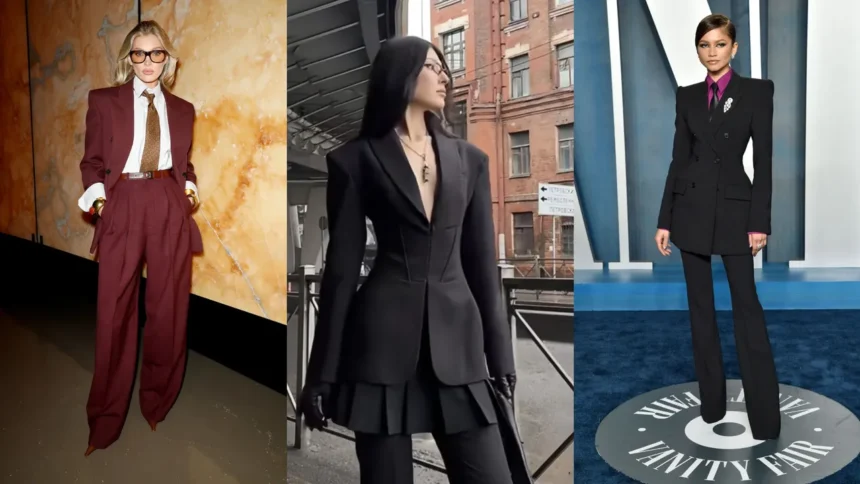
Historically, power suiting relied on sharp lines, subtle shoulder pads, and structured silhouettes to signal authority. Today, the narrative has shifted. Kardashian’s larger-than-life shapes in All’s Flair showcase what fashion stylist Gousia Galib Khan calls “power as performance.” Oversized shoulders, exaggerated lapels, cinched waists, and long, sweeping trousers are now part of the aesthetic, not outliers. “These silhouettes are bold, unapologetic, and visually dominant. Instead of blending in, the wearer commands space deliberately,” Khan explains.
Image consultant Sonia Pardesi adds, “Modern proportions reject the notion that power must be subtle. They reinforce confidence, turning the silhouette into a visual assertion of individuality.”
See more of our coverage in your search results.
Add Hunterfly on GoogleInnovative Materials for Sculptural Silhouettes
Advanced materials such as bonded jersey, thick wool crepes, memory fabrics, and structured knits allow designers to build volume without losing shape. “Techniques like laser cutting, bonding, and internal garment architecture create clean lines and exaggerated curves that traditional tailoring could never achieve,” Pardesi notes. Romy observes, “There’s softness, flow, and intention showing up in tailoring now. The suit has presence, but it is shaped around the woman rather than forcing her into a mold.”
Indian Influence and Indo-Fusion Power Dressing
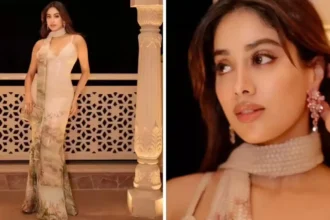
India is adding a distinctive flair to this trend. Fashion influencers like Shreya Vishakant combine saree drapes with blazers, while designers experiment with Indian brocades, structured knits, and technical wools. Actors like Manvita Kamath have also embraced Indo-fusion suiting, merging craft with contemporary shapes. “Pairing Indian jewellery or textiles with modern suiting adds identity-driven power,” Romy notes.
The Celebrity Effect
Celebrities accelerate the cultural impact of these new silhouettes. Vishakant adds, “When someone like Kardashian wears an architectural suit, the ripple effect is immediate—touching retail, red carpets, and even office wardrobes.” In contrast to traditional power dressing that emphasized blending in with authority, today’s suiting celebrates being seen and authentic. “Power now comes from self-expression,” Pardesi concludes, “and these suits reflect a shift toward identity-driven style.”
The future of power dressing promises softer, expressive tailoring for work, and sculptural suits on red carpets poised to rival traditional gowns for visual dominance.