








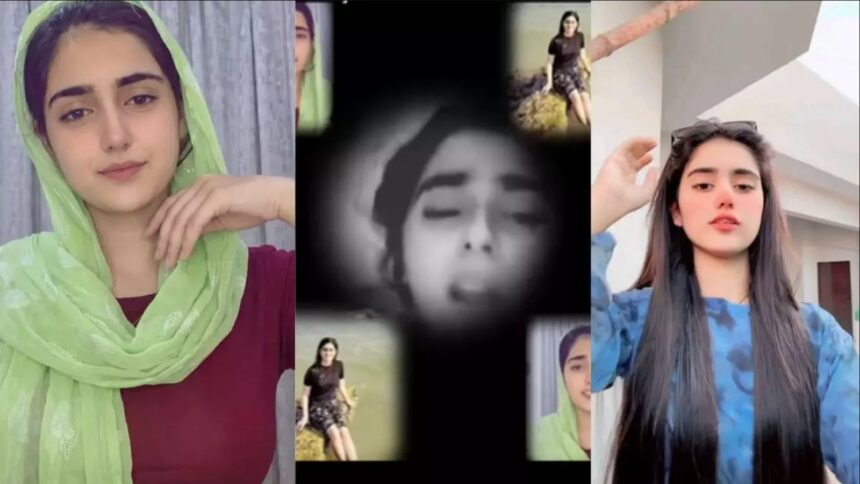
Searches for alleged “leaked” videos titled “7-Minute 11 Seconds Viral MMS” and “6-Minute 39-Second Clip Fatima Jatoi” have surged sharply across social media and search engines, particularly among users in India and neighbouring regions. However, cybersecurity experts and digital fact-checkers caution that no verified or authentic video exists corresponding to these claims.
Instead, investigators say the trend reflects a coordinated pattern of misleading online content, designed to exploit curiosity and drive clicks toward unsafe websites.
What Is Driving the Viral Searches?
Major platforms including TikTok, X (formerly Twitter), Instagram, Telegram, and Google Search have seen a spike in keywords promising access to so-called “original” or “full” leaked clips. These searches often reference specific runtimes, such as 7 minutes 11 seconds or 6 minutes 39 seconds, creating an illusion of credibility.
Digital analysts explain that precise timestamps act as psychological hooks, encouraging users to believe a secret or exclusive video exists—even when there is no evidence to support the claim.
See more of our coverage in your search results.
Add Hunterfly on GoogleNo Verified Video, Only Risky Links
Cybersecurity professionals who analysed the links circulating with these claims found that users are typically redirected to:
- Fake video players that never load
- Pages requesting app installations
- Telegram channels with repeated redirects
- Websites designed to harvest data or spread malware
Experts warn that interacting with such pages can compromise personal devices, expose private data, or lead to phishing attacks.
Comparison With Past Viral MMS Claims
The current controversy is being compared to earlier misinformation cycles, including the widely discussed “7 Minute 11 Second Viral MMS” trend. In each case:
- No credible media outlet confirms the footage
- The content spreads rapidly through repetition rather than proof
- Users searching for the video encounter scams instead of evidence
According to cybersecurity analysts, these patterns are common in clickbait-driven misinformation campaigns, especially those amplified by social media algorithms.
Fatima Jatoi Responds to the Rumours
Amid the online speculation, Fatima Jatoi has publicly denied any connection to the alleged 6-minute 39-second video, describing the rumours as false and misleading. Supporters and digital safety advocates have urged users not to circulate unverified content that can harm reputations and personal safety.
See more of our coverage in your search results.
Add Hunterfly on GoogleExperts note that such trends may also involve deepfake or AI-generated material, further blurring the line between reality and fabrication.
Expert Advice: Stay Alert, Stay Safe
Cybersecurity specialists strongly recommend:
- Avoid clicking on links claiming to show “leaked” or “original” videos
- Do not install apps or grant permissions from unknown sources
- Rely only on information confirmed by reputable media outlets
They stress that resisting curiosity-driven clicks is one of the most effective ways to protect privacy and prevent cybercrime.
See more of our coverage in your search results.
Add Hunterfly on GoogleThe Bigger Picture
The rise of these viral MMS searches highlights a broader challenge in the digital age: misinformation packaged as exclusivity. While the videos themselves appear nonexistent, the risks associated with chasing them are real.
As experts emphasise, verification, skepticism, and digital awareness remain essential tools for navigating today’s online landscape safely.