








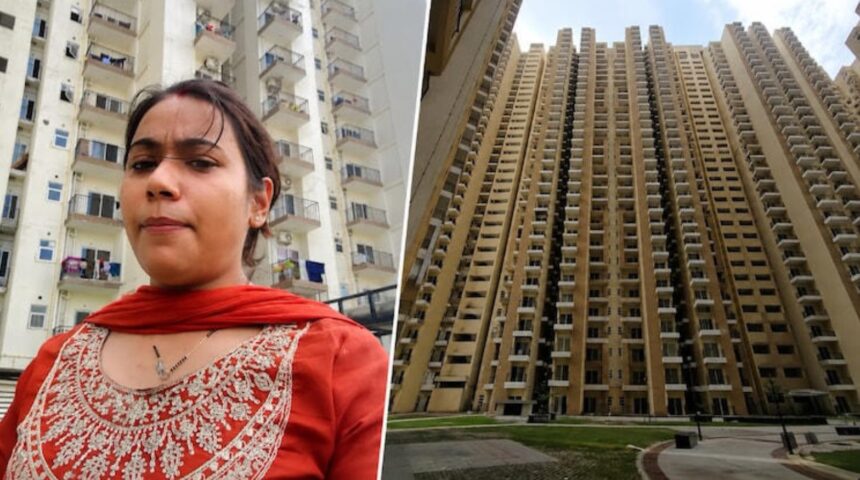
A Delhi-based content creator has sparked widespread discussion after defending luxury high-rise apartments against the common criticism that they resemble “matchboxes.” Her video, shared on Instagram, has attracted significant attention, with users debating whether vertical housing is the future of growing cities or a compromise on space and community living.
The discussion reflects a broader conversation taking place across India’s rapidly expanding urban centres, where rising land prices and increasing population density continue to reshape housing preferences.
What Did the Creator Say?
In the now-viral video, Delhi content creator Anjali stands outside a premium residential development and responds to people who frequently describe apartment towers as “matchboxes.”
She argues that such descriptions overlook the planning, engineering, and investment involved in developing modern residential communities.
See more of our coverage in your search results.
Add Hunterfly on GoogleAccording to Anjali, buyers purchasing premium apartments typically make carefully considered financial decisions, and many luxury developments are designed with spacious layouts rather than compact living spaces.
She also points out that some upscale residential projects offer apartments measuring close to 6,000 square feet, challenging the assumption that every high-rise apartment is small.
While she believes apartment living may not appeal to everyone, she says it should not be judged solely by the appearance of tall buildings.
She Also Acknowledges the Downsides
Anjali’s video was not entirely one-sided.
She acknowledged that high-rise communities can sometimes limit neighbourly interaction, as residents often maintain busy work schedules and spend less time socialising within their housing complexes.
See more of our coverage in your search results.
Add Hunterfly on GoogleHowever, she added that many buyers continue to choose gated apartment communities because of benefits such as:
- Enhanced security
- Modern lifestyle amenities
- Clubhouses and recreational facilities
- Professional maintenance services
- Dedicated parking
- Fitness centres and swimming pools
- Better infrastructure within residential campuses
Why the Debate Resonated
The video quickly spread across social media because it touched on an issue familiar to millions of urban residents.
As Indian cities continue to grow vertically, opinions remain divided about apartment living.
See more of our coverage in your search results.
Add Hunterfly on GoogleSupporters argue that modern residential towers provide:
- Better security
- Organized maintenance
- Access to shared amenities
- Efficient land use
- Convenient city locations
Critics, meanwhile, believe many apartment projects:
- Offer limited private outdoor space
- Reduce interaction with neighbours
- Feel crowded despite premium pricing
- Remain unaffordable for average homebuyers
- Appear visually similar regardless of interior size
Social Media Responds
The comments section reflected a wide range of perspectives.
Some users supported Anjali’s views, saying premium apartment projects offer a practical solution for urban housing while providing comfort and convenience.
Others questioned whether citing very large luxury apartments accurately represents the experience of most homebuyers, pointing out that such properties remain beyond the reach of many salaried professionals.
A few users also felt the discussion relied more on personal opinion than detailed evidence about housing trends or affordability.
The Bigger Picture: India’s Changing Housing Landscape
The conversation arrives at a time when Indian metropolitan cities such as Delhi, Bengaluru, Mumbai, Hyderabad, Pune, and Gurugram are witnessing continued growth in high-rise residential developments.
Urban planners note that vertical housing has become increasingly common due to factors including:
- Limited availability of land
- Growing urban populations
- Expanding metro connectivity
- Demand for integrated residential communities
- Rising infrastructure costs
At the same time, affordability remains a key concern, with housing choices often influenced by income, family size, workplace proximity, and lifestyle preferences.
No One-Size-Fits-All Answer
Whether apartments feel spacious or restrictive often depends on several factors, including floor plan, design quality, ventilation, natural lighting, and overall project planning rather than building height alone.
Luxury developments may offer expansive homes, while many standard apartment projects prioritize efficient use of available space to accommodate more residents.
As cities continue to evolve, the discussion highlights how homebuyers increasingly weigh convenience, affordability, community, and quality of life when choosing where to live.
Hunterfly Take
The viral conversation underscores a larger shift in how people think about urban housing. While some view high-rise apartments as symbols of efficient modern living, others continue to value the openness and social connections often associated with independent homes.
Ultimately, housing preferences are shaped by personal priorities, budgets, family needs, and local market conditions. The online debate serves as a reminder that no single housing model fits everyone, and perceptions of “ideal living” continue to evolve alongside India’s growing cities.