






Shah Rukh Khan’s arrival at the Met Gala was more than a major fashion appearance. It marked the global red-carpet debut of one of India’s most recognisable cinematic personalities in a look that placed Indian craftsmanship, heritage jewellery and contemporary menswear firmly at the centre of the conversation.
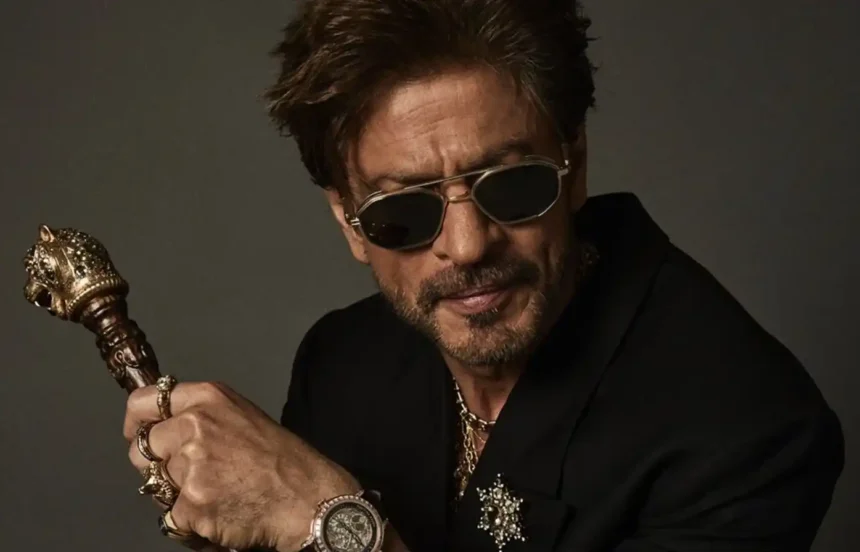
For the occasion, Khan worked with celebrated Indian designer Sabyasachi Mukherjee, who created a highly individual interpretation of formal menswear. Rather than relying on conventional Western black-tie codes, the look drew its character from an elongated tailored coat, rich jewellery, a sculptural Bengal tiger-head cane and unmistakably Indian references.
The result was regal without appearing disconnected from Khan’s established persona.
Instead of dressing simply to satisfy a red-carpet expectation, the styling presented a more personal proposition: international luxury can make room for cultural identity without diluting it.
Shah Rukh Khan’s Met Gala Look Was Built Around Identity
The Met Gala is one of fashion’s most closely watched events, where celebrities, designers and stylists frequently use clothing to interpret an annual theme.
That environment can encourage theatrical dressing.
Khan’s look took a different route.
Its impact came from the relationship between tailoring and personality. The silhouette was dramatic, but the styling did not appear to treat Indian heritage as a costume. Instead, traditional references were integrated into a contemporary luxury wardrobe.
This distinction is important.
There is a difference between wearing cultural references for visual effect and allowing those references to become an organic part of an outfit.
Sabyasachi’s styling leaned toward the latter.
The Elongated Coat Creates the Foundation
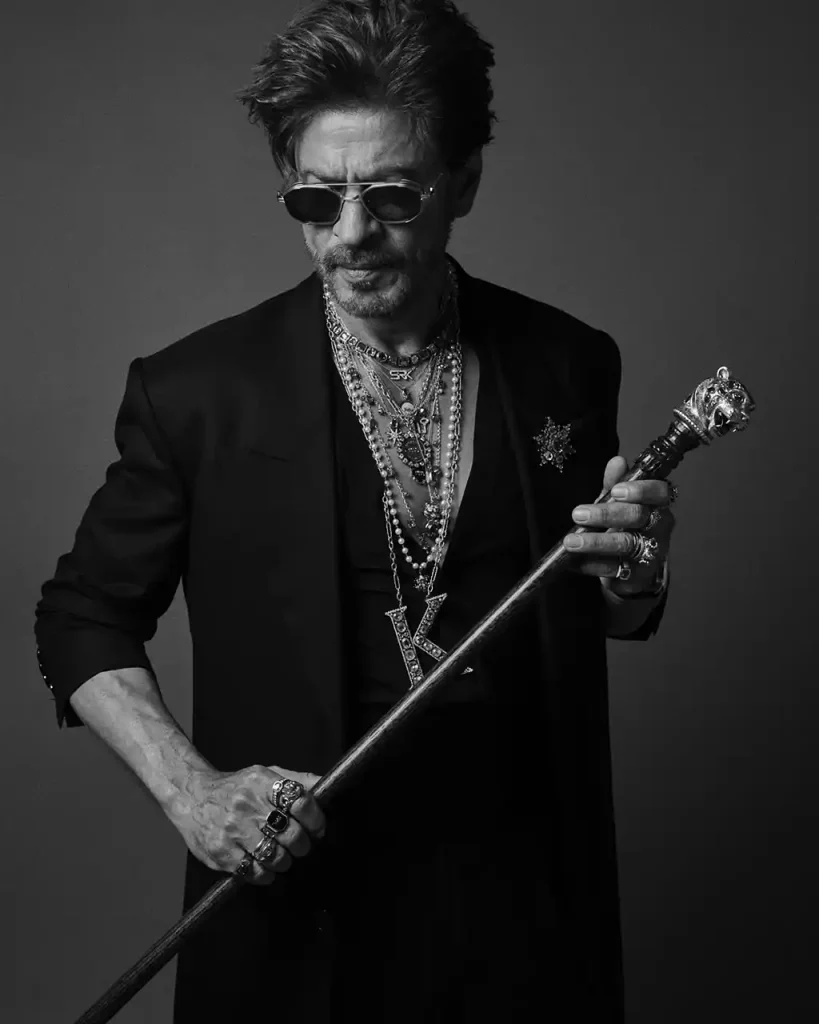
The central garment was a long, tailored coat, giving the outfit its distinctive vertical silhouette.
The elongated construction created an immediately commanding presence on the carpet. Structured peak lapels reinforced the formal character, while the length gave the ensemble a more dramatic proportion than a conventional tuxedo jacket.
The choice of a dark, finely tailored wool fabric allowed the silhouette to remain the primary visual statement.
Instead of relying on a loud print or excessive surface decoration, the coat used construction to create impact.
That is a sophisticated menswear principle: when the cut is strong enough, the garment does not need to compete for attention through unnecessary ornamentation.
A Contemporary Interpretation of the Bandhgala Spirit
Although the ensemble was not simply a conventional bandhgala, it drew from the broader language of Indian formal tailoring.
The high, structured neckline and elongated proportions created an Indo-Western visual vocabulary, while the formal tailoring connected the garment to international eveningwear.
This crossover is increasingly relevant to modern Indian menswear.
Indian formalwear does not need to imitate a European tuxedo to communicate luxury. Nor does it need to reproduce historical garments exactly as they were traditionally worn.
Designers can take elements such as high collars, structured coats, draping, heritage textiles and traditional jewellery and reinterpret them through contemporary proportions.
That is precisely where the look gained much of its visual strength.
The Kamarbandh Adds an Indian Point of View
One of the most distinctive styling choices was the use of a pleated satin kamarbandh around the waist.
The element changes the visual rhythm of the ensemble.
A conventional Western suit typically relies on the clean horizontal line of a belt or waistband. The kamarbandh introduces a softer, more culturally specific layer while simultaneously defining the waist beneath the elongated coat.
It also prevents the long silhouette from becoming visually uniform.
This is an excellent example of how one heritage detail can alter an otherwise familiar formal structure.
Rather than adding multiple competing elements, the styling uses a single strong intervention to establish its Indian identity.
The High-Jewellery Layering Makes the Look Personal
Perhaps the most dramatic component was the jewellery.
Instead of a traditional Western tie, the look was completed with layered heritage-inspired necklaces featuring gemstones and diamonds.
The jewellery transformed the relationship between the shirt and coat.
A conventional formal outfit would typically use a tie, bow tie or open collar to frame the face. Here, the layered necklaces created a much richer vertical line.
The styling reportedly incorporated diamonds alongside coloured gemstones, including sapphires and tourmalines, culminating in a distinctive “K” pendant.
That personal initial is significant from a styling perspective.
It takes the jewellery away from being purely decorative and gives it an identity connected to the wearer.
Why the Jewellery Does Not Feel Random
High jewellery can easily overwhelm menswear.
The reason it works here is because the rest of the outfit is comparatively controlled.
The coat is structured and dark. The shirt provides a clean base. The trousers remain tailored.
This creates a visual hierarchy.
The jewellery becomes the expressive element while the tailoring provides the framework.
That is a useful lesson for anyone experimenting with statement accessories: one strong category of embellishment is often more effective than decorating every part of the outfit.
The Bengal Tiger Cane Becomes the Signature Accessory
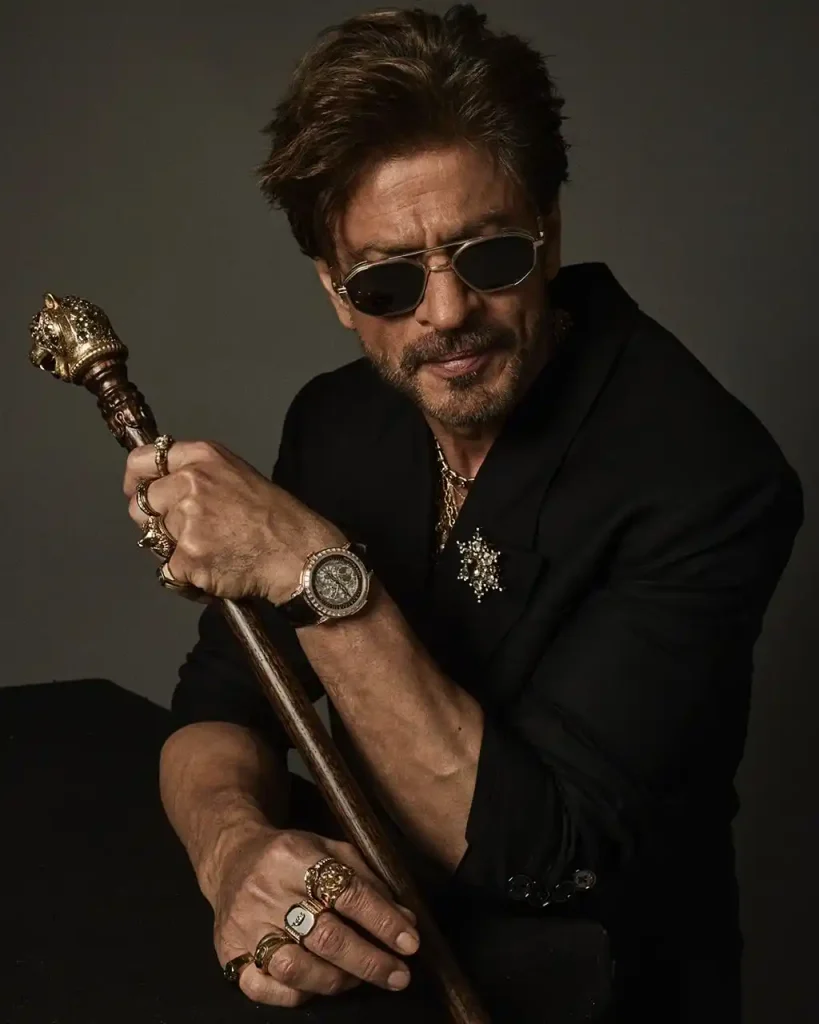
The most immediately theatrical accessory was the Bengal tiger-head cane.
Crafted as a sculptural object, the cane introduced a strong reference to Indian wildlife, heritage and aristocratic symbolism.
Its significance went beyond functionality.
The tiger head acted almost like a piece of wearable sculpture, reinforcing the regal theme of the ensemble while adding another layer of Indian visual identity.
At the same time, the accessory introduced an element of old-world dandyism.
Walking canes have historically been associated with formal dress and aristocratic fashion, particularly within European menswear. Reinterpreting that tradition through a Bengal tiger motif created a distinctive Indo-Western dialogue.
It was a bold choice, but one that remained connected to the overall styling language.
The Tiger Reference Adds Cultural Context
The Bengal tiger is one of India’s most recognisable natural symbols.
Using the animal as a sculptural motif gives the accessory a cultural dimension beyond its visual appeal.
However, it is important not to overstate the symbolism without a verified statement from the designer or wearer explaining the intention.
From a fashion-analysis perspective, the cane can reasonably be understood as an element that connects the look with Indian visual heritage while contributing to its aristocratic character.
That distinction keeps the editorial interpretation separate from an unsupported claim about design intent.
Grooming Brings the Look Into the Present
Without contemporary grooming, the ensemble could have leaned too heavily toward historical formalwear.
Khan’s styling prevented that.
Tinted wire-frame aviators introduced a modern edge, while his salt-and-pepper beard added maturity and contrast to the otherwise highly formal outfit.
The swept-back textured hair reinforced the same balance.
Together, these elements gave the look a slightly rock-and-roll character.
That contrast was important.
The coat, jewellery and cane established the regal vocabulary. The eyewear, beard and hairstyle ensured the final result still looked like a contemporary Shah Rukh Khan appearance rather than a period costume.
Why the Look Worked on the Met Gala Carpet
The strongest fashion moments usually contain some form of tension.
In this case, the tension came from several contrasts:
- Western tailoring and Indian heritage
- Structured wool and fluid satin
- Formal menswear and high jewellery
- Aristocratic references and contemporary grooming
- Minimal dark tailoring and elaborate accessories
Those contrasts gave the outfit depth.
If every component had been equally ornate, the look could have become visually overwhelming.
Instead, the tailoring created a controlled foundation while the accessories supplied the drama.
Sabyasachi’s Role in the Visual Language
Sabyasachi Mukherjee has built a distinctive design vocabulary around Indian craftsmanship, heritage references and luxury textiles.
His approach frequently treats Indian cultural elements as sophisticated components of contemporary luxury rather than as decorative additions.
That philosophy is particularly effective in menswear.
A structured coat can carry the formal authority of Western tailoring while jewellery, textile choices and accessories introduce a distinctly Indian perspective.
The resulting outfit does not have to choose between the two.
It can occupy both spaces simultaneously.
“Being Who You Are” Becomes the Strongest Style Lesson
The most valuable takeaway from Khan’s Met Gala styling is not the specific jewellery, the cane or even the coat.
It is the idea of wearing a global fashion moment without abandoning personal identity.
Red-carpet dressing can sometimes become a competition for spectacle. The biggest train, the most unusual silhouette or the most elaborate styling can dominate headlines.
But spectacle alone does not necessarily create authenticity.
Khan’s appearance worked because the theatrical elements remained connected to an established image of him: polished, charismatic, confident and comfortable with formal Indian style.
The clothes amplified those characteristics rather than replacing them.
Heritage Does Not Have to Mean Nostalgia
One misconception about heritage fashion is that traditional references automatically make a look nostalgic.
They do not.
Heritage becomes contemporary when it is placed within a new context.
The kamarbandh becomes modern when worn with an elongated tailored coat.
Heritage jewellery becomes modern when layered against minimalist formalwear.
A tiger-head cane becomes contemporary when presented as a sculptural red-carpet accessory.
The meaning changes through styling.
This is one reason Indian designers have significant creative potential in global fashion. The country’s textile, jewellery and sartorial traditions provide an enormous archive of references that can be reinterpreted rather than simply reproduced.
How to Adapt the Look Without Copying It
The full Met Gala ensemble is obviously designed for an extraordinary occasion. But several of its principles can be adapted to everyday formal dressing.
Start With One Strong Garment
A long bandhgala or structured formal jacket can immediately establish the silhouette.
Choose excellent tailoring over excessive detailing.
Introduce One Heritage Element
A refined brooch, traditional cuff, heritage-inspired necklace or textured Indian textile can add cultural character without overwhelming the outfit.
Use Jewellery Intentionally
If the clothing is already detailed, keep the jewellery restrained.
If the tailoring is minimalist, a statement necklace or ring can become the focal point.
Keep Grooming Contemporary
Modern eyewear, a clean beard shape or textured hair can prevent traditional elements from making the overall appearance feel overly formal or costume-like.
Prioritise Comfort
The most convincing luxury look is one that allows natural movement.
If the wearer constantly adjusts the coat, jewellery or accessories, the styling loses some of its effortless quality.
The Global Significance of an Indian Menswear Moment
Khan’s Met Gala appearance also reflects the growing visibility of Indian fashion within international luxury culture.
Indian designers and craftsmanship are no longer limited to regional celebrations or specialist fashion audiences.
They increasingly appear in global conversations about couture, jewellery, textiles and celebrity dressing.
That does not mean Indian fashion needs to become Westernised to gain recognition.
The more interesting opportunity is the opposite: allowing Indian design languages to enter global spaces on their own terms.
Khan’s appearance demonstrates how that can work.
The silhouette speaks to international formalwear.
The jewellery speaks to Indian craftsmanship.
The accessories introduce heritage.
The grooming keeps everything contemporary.
The final image therefore feels global without becoming culturally anonymous.
The Takeaway: Luxury Is Confidence
Shah Rukh Khan’s Sabyasachi Met Gala look offers a useful lesson for contemporary menswear.
Luxury is not simply about expensive materials or recognisable names.
It is about proportion, craftsmanship, coherence and confidence.
A dramatic coat works when it is balanced by controlled styling.
High jewellery works when the clothing gives it space.
A heritage accessory works when it has a relationship with the broader visual story.
And cultural references work best when they feel like an authentic part of the wearer rather than an imposed theme.
That is ultimately what made the look memorable.
It did not attempt to make Shah Rukh Khan fit into a global fashion template.
Instead, it brought his identity, Indian craftsmanship and contemporary luxury onto the same carpet.
ALSO READ:
- Has Lock Upp Season 2’s Winner Been Revealed? Viral Reports Put Shreya Kalra in the Spotlight
- Richa Chadha to Produce Musafiri, a Heritage-Focused Series Celebrating India’s Untold Stories
- Priyanka Chopra Shares Heartwarming Moment as Daughter Malti Learns a Durga Mantra
- 21-Year-Old Gurgaon Woman’s ₹43,096 Monthly Budget Goes Viral, Highlights Rising Cost of Urban Living
- Kangana Ranaut’s Earlier Interview Trends Again as Recent Remarks Fuel Online Debate
- Maheep Kapoor Recalls Emotional London Encounter, Says Bollywood Wives Helped a Fan Smile During Chemotherapy
- Why More Actresses Are Choosing to Step Away from Social Media
- Aanchal Khurana Criticises Shehnaaz Gill, Says Their Personalities Never Matched
- Genelia D’Souza’s Most Elegant Ethnic Fashion Moments That Continue to Inspire Traditional Style
- Kusha Kapila’s Switzerland Vacation Is Inspiring Travelers to Plan Their Next Alpine Escape
- Shanvi Srivastava Says She Won’t Leave South Cinema for Bollywood: “This Is My Karmabhoomi”
- 6 Celebrity-Inspired Backless Blouse Designs That Add a Modern Twist to Traditional Sarees